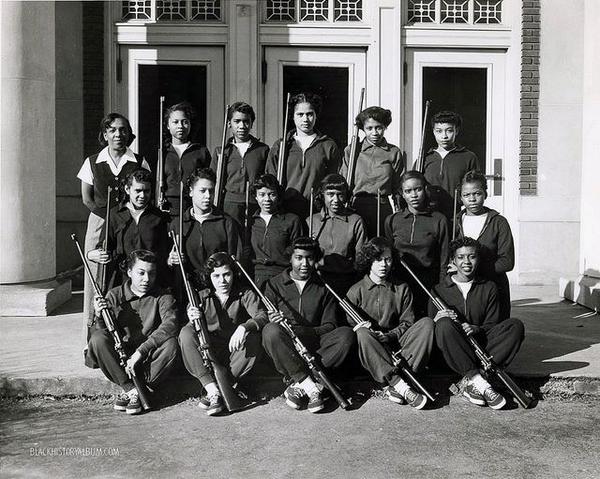
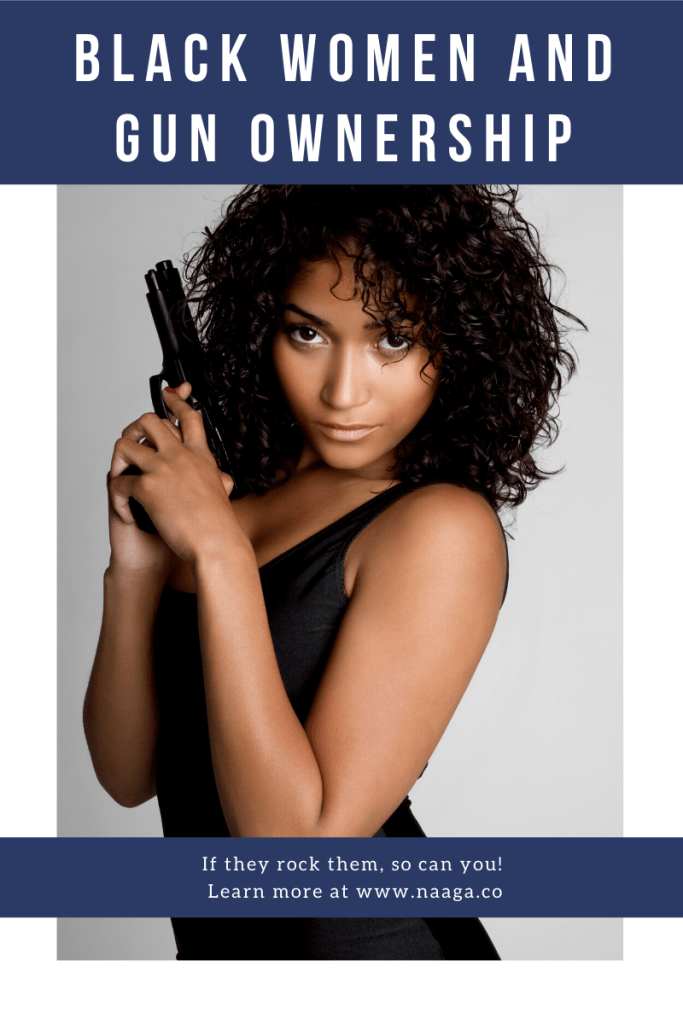
I recently joined the NAAGA (National African-American Gun Association) amid the social climate of the summer of 2020. I was previously a member of the NRA during the Bush years. I dropped my membership after increasing concerns that the NRA was silent on many issues when it came to gun ownership rights for Black gun owners. I was pleasantly surprised to find this organization. African-American women make up 60% of the organizations membership which is an outstanding number. Throughout this article I collected some reasons why some of my Black Sisters own or carry a firearm (Coolidge).
“I have a .380 but I do not have a CCW. I am working to get one so I do not carry often only when I am alone driving.”
Qzonna-Arlington, TX
So I was curious. What drives Black women to own and carry firearms? Am I one of a few Black women that own a gun? My initial gun purchase was to protect myself at home against a disgruntled employee I terminated. I took two classes to prepare myself but hadn’t touched them since 2009. In 2017 I bought my second firearm after being assaulted in Omaha by two white bigots. Probably the most scariest incident of my life. Membership to NAAGA spiked after Trump’s inauguration. The emboldeness of people to act on their bigoted views helped push those numbers. I’ve been following NAAGA’s social media pages for a few weeks and I am seeing some powerful beautiful Black women shooting, training and looking fierce while at the range! My newest She-ro is Tig Davis, founder of My Sister’s Keeper Defense, which empowers women though self defense.
“I carry and own a 9mm for protection and have a CCW”
Jackie J.
So who owns all the guns?
By 2017, 4 in 10 Americans say there is a firearm in their household. Broken down by race, 24% of African-Americans say they personally own a gun, compared with 36% of whites and 15% of Hispanics. A law barring the open carry of loaded firearms was passed in 1967 with the support of the NRA, after armed Black Panthers entered the California state capitol earlier that year to defend their constitutional right to bear arms. In fact, then Governor Ronald Reagan, commented that he saw “no reason why on the street today a citizen should be carrying loaded weapons.” The US has a history of supporting the 2nd amendment except in the case of Black folks. We need to change that narrative to one where it is not alarming or a threat to see a Black man or woman carrying a gun in public. I’m not interested in resurrecting the Black Panther tactics, but I am interested in exercising my rights to carry in public as a Black woman without fear of retribution.
“Everyday carry rotates between Springfield XDS 9mm, Kimber Crimson Carry Micro .380, S&W M&P 9mm, Springfield Hellcat 9mm or a Ruger LCP .380. I have a CCW and carry for travel long distances and for personal protection.”
Jacquelyn-Ohio
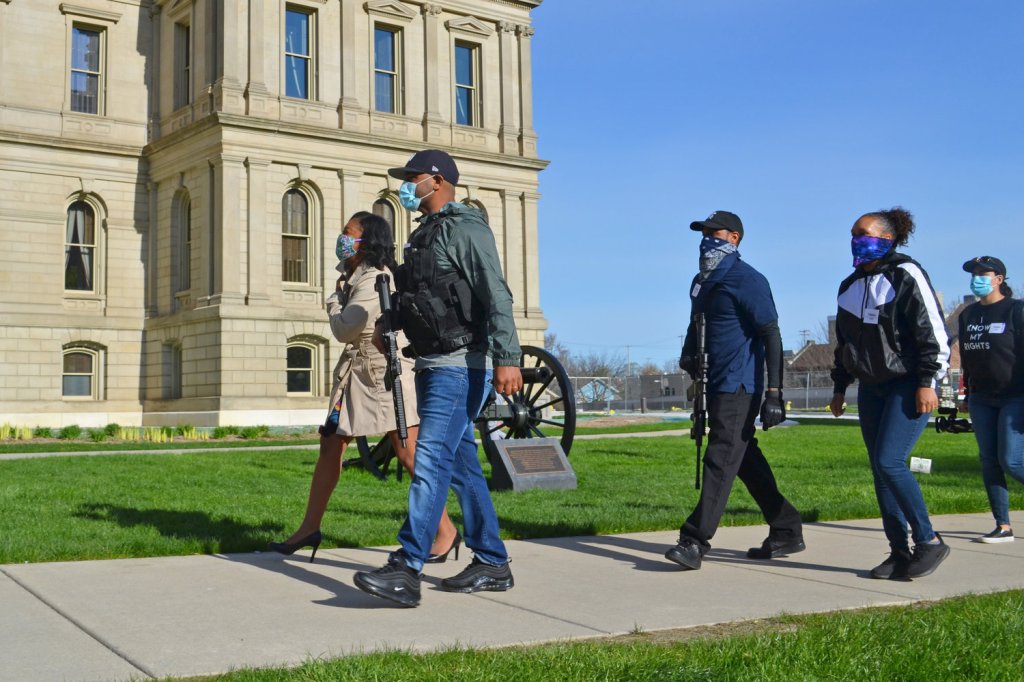
When it comes to politics more Republicans own guns than Democrats. 95% of Republicans say the right to own guns is essential to their freedom as opposed to 29% of Democrats. We know the majority (80%) of African-Americans vote Democrat with racism and civil rights at the core of their beliefs. So why isn’t gun ownership part of that makeup? When it comes to civil rights, gun laws have been enacted to control a class of people, mainly Black and Indigenous Peoples.
- Antebellum laws disabled Free Blacks from owning guns
- Black Codes of post Civil War
- Mulford Act 1967
- 1990 gun bans in public housing
- Previous laws made by your local police requiring permits limits gun ownership in certain populations
- Gun sweeps and “stop and frisk” laws targeted certain populations
All of these laws sought to prohibit Blacks from gun ownership to make them defenseless. The local police refused to give Martin Luther King Jr. a gun permit to protect himself even though it is a constitutional right. The Black Panthers knew and exercised their rights to open carry. So did the Deacons for Defense, a self defense group founded in Louisiana during the Civil Rights movement. Members knew they had a fundamental right to carry arms to protect their families and Civil Rights workers in 1964. I challenge every Black man and woman, to own a gun and at minimum if you are not comfortable, know how to use one if needed. I personally think we are progressive enough to not let this responsibility fall on our husbands and fathers. We can’t always have a Derrick Brown nearby. (You remember… the Black dude that protected the pregnant sista in the Walmart parking lot!) Umm hmm….
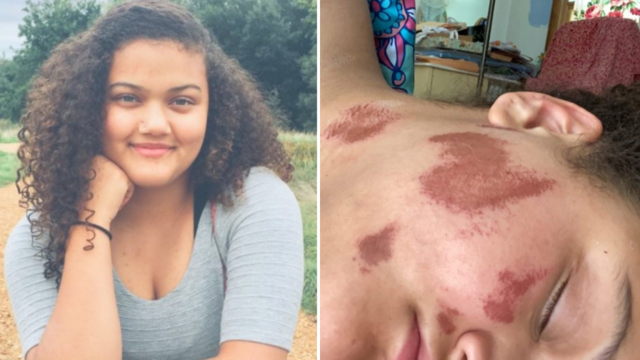
And most recently, a biracial woman named Althea Bernstein was targeted by a group of white men who threw lighter fluid on her and set her on fire while screaming a racial slur at her. She was alone with no protection.
“I carry a .380 handgun to protect myself and daughter from predators”
Tonya-Kansas City
Hate crimes are on the rise over the last 3 years and Black women are the target including myself. I have felt the pulse of my city and it no longer represents a welcoming place for women of color. The amount of anxiety that Black women are feeling is at an all time high. Even my own local Kansas City, KS police department has long time issues with police officers exerting their position to sexually assault poor Black women including former KCK resident Rosie McIntyre.
Look, Killer Mike is right. Black people should own guns. Black Women should own guns. Gun ownership is integral to securing our equality. Not just racial but gender. Gun ownership is also an integral part of a Black womans personal defense. Anyone that has been a victim of domestic violence should own a gun and learn how to protect themselves. Any woman that wants to protect their home or business should own a firearm. Ladies let’s get out of the mindset that gun ownership is not for us. Single Black women are the fastest growing demographic of gun ownership. Let’s continue the trend. Get informed and get trained locally by an expert before you buy. Find the right one for you and visit the range often.
For more information on training visit the training page at NAAGA.
*All quotes are from African-American Women who carry. Shout out to boss babe Jacquelyn who knows her stuff! 😉
See why NAAGA is the largest African-American gun group in the US. There is also the Black Gun Owners Association that is growing in membership too.
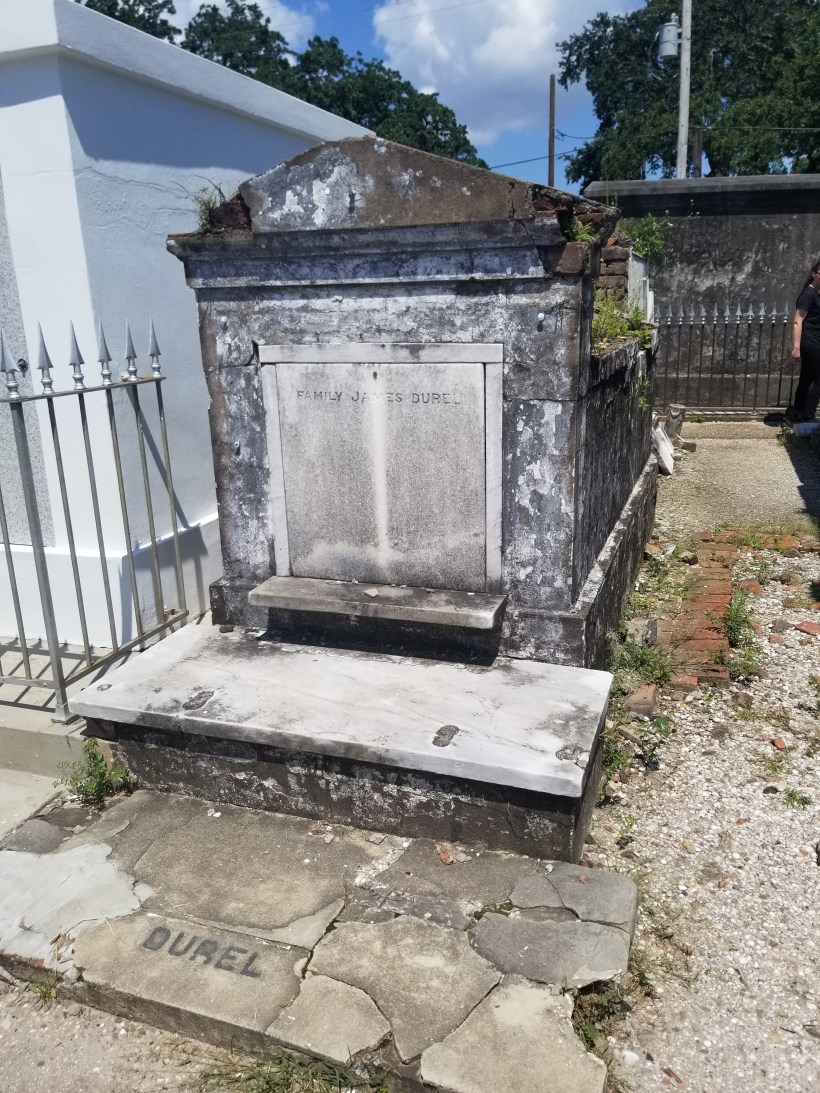
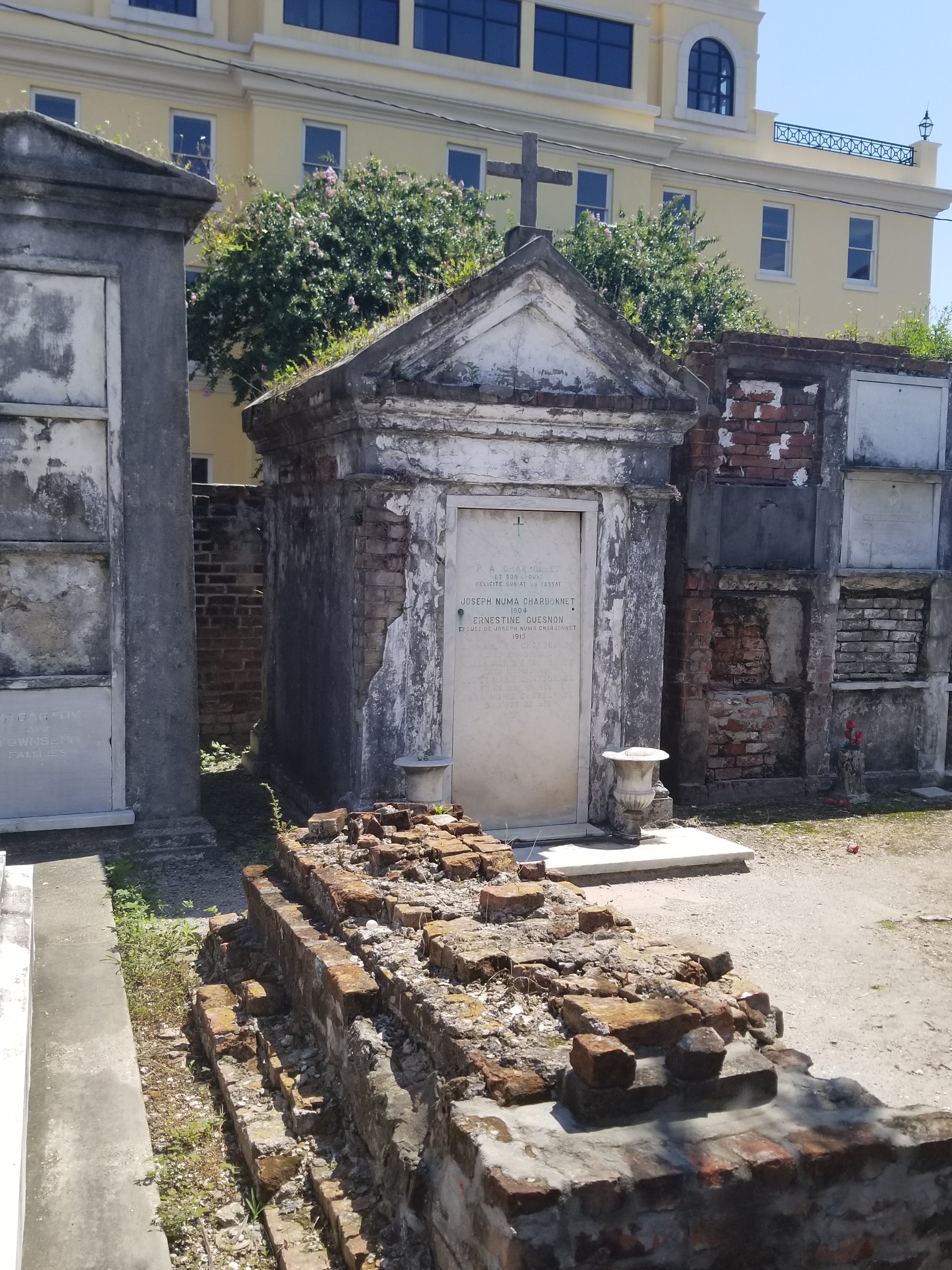
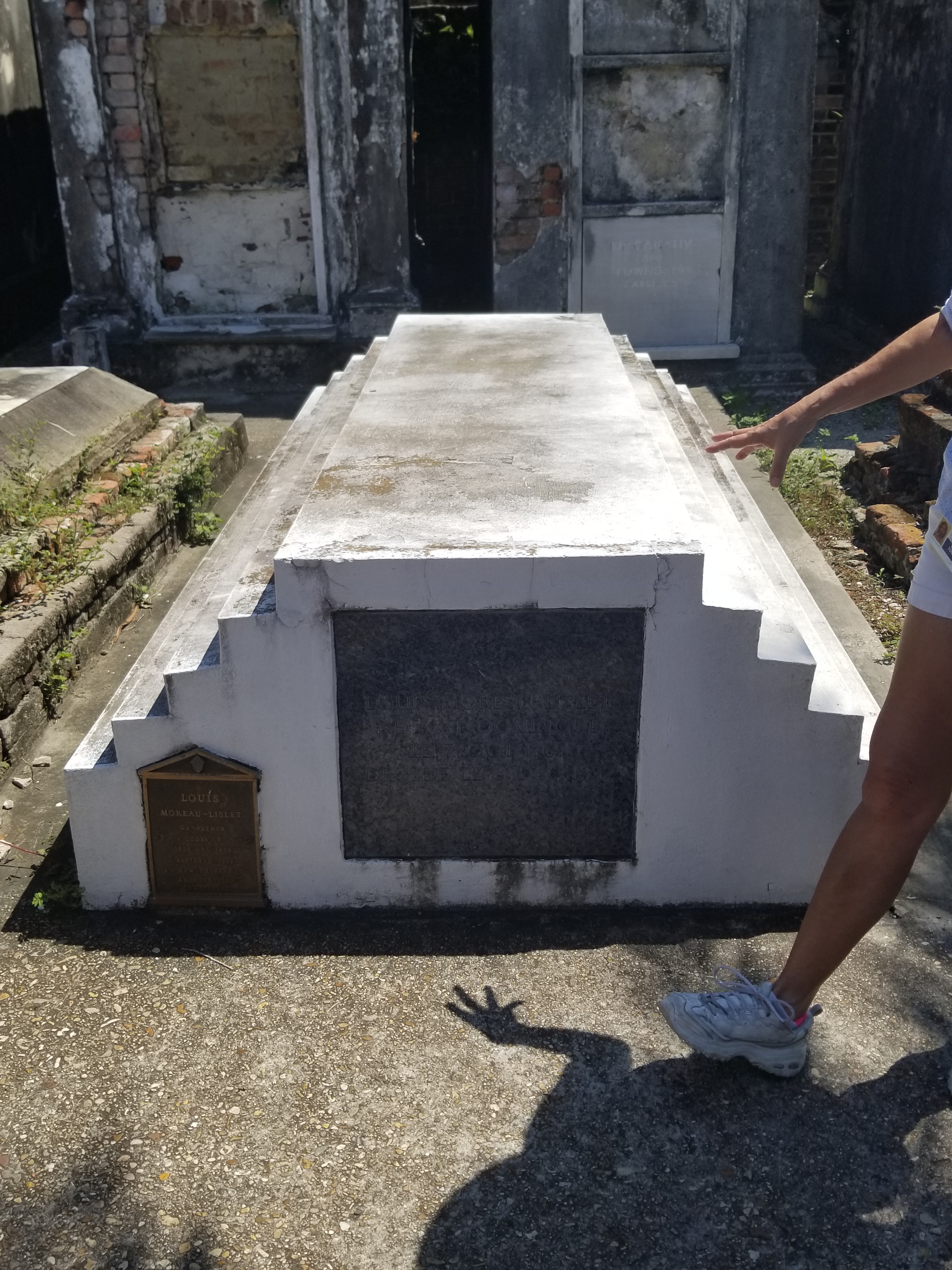
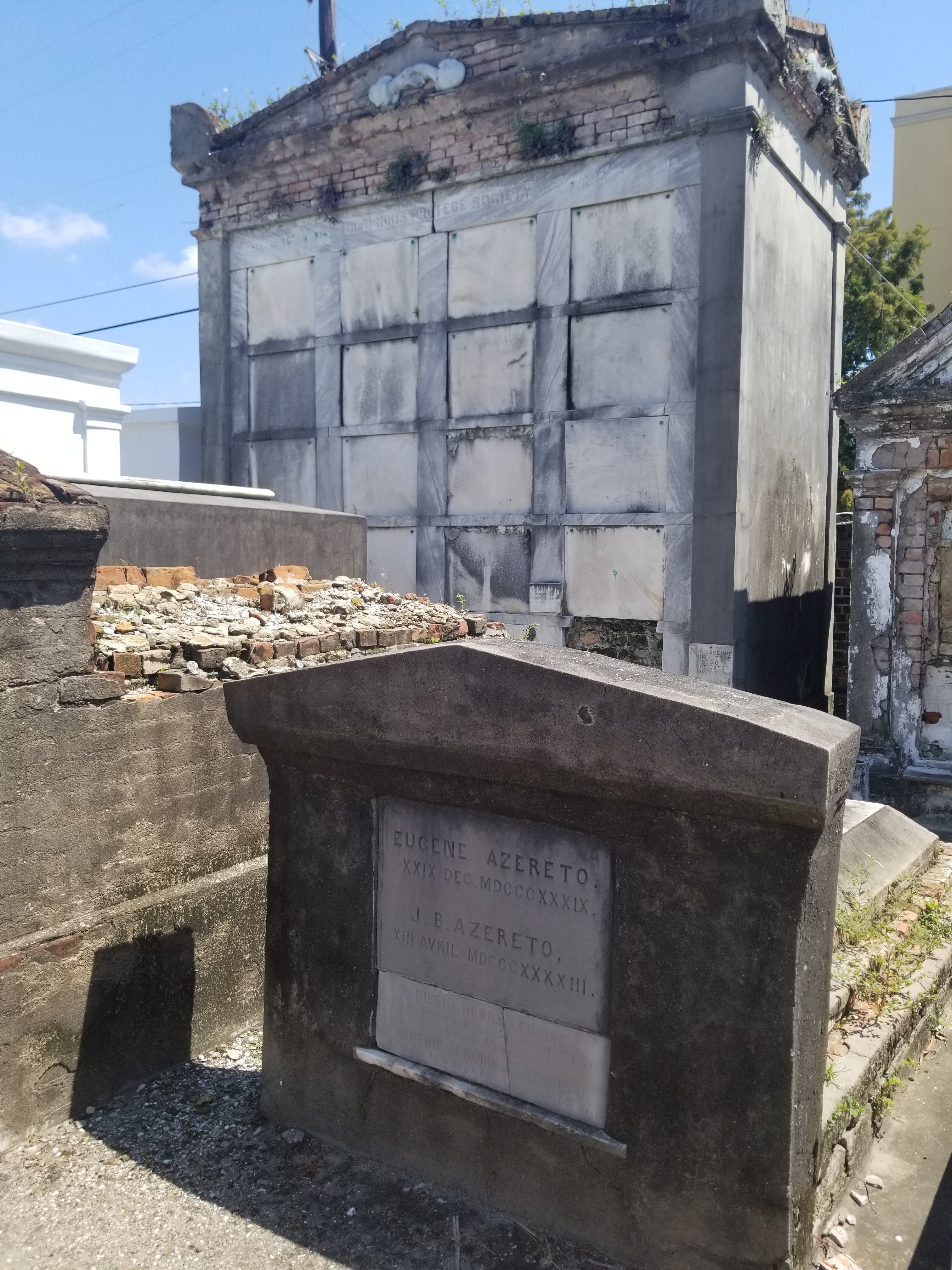
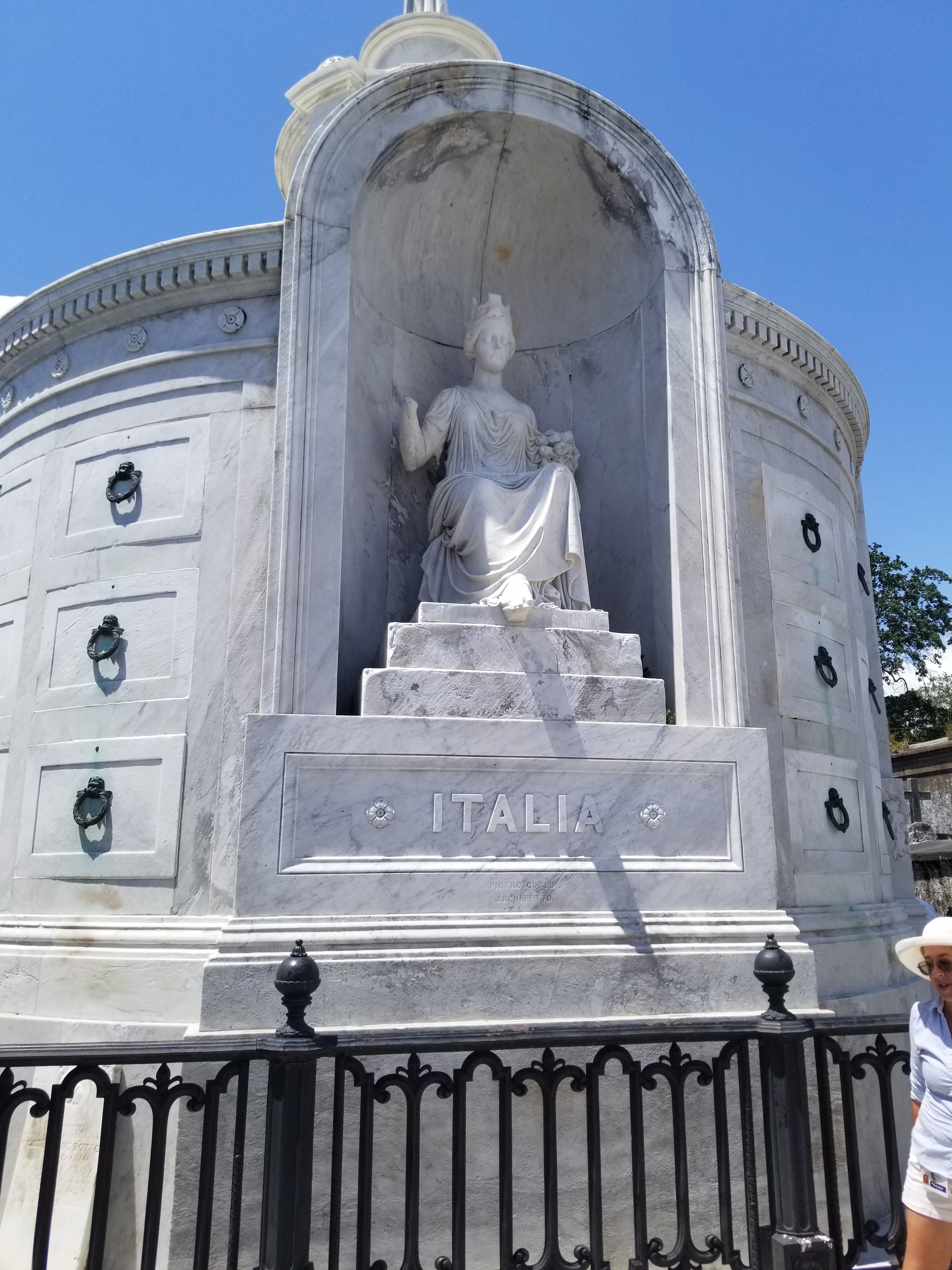
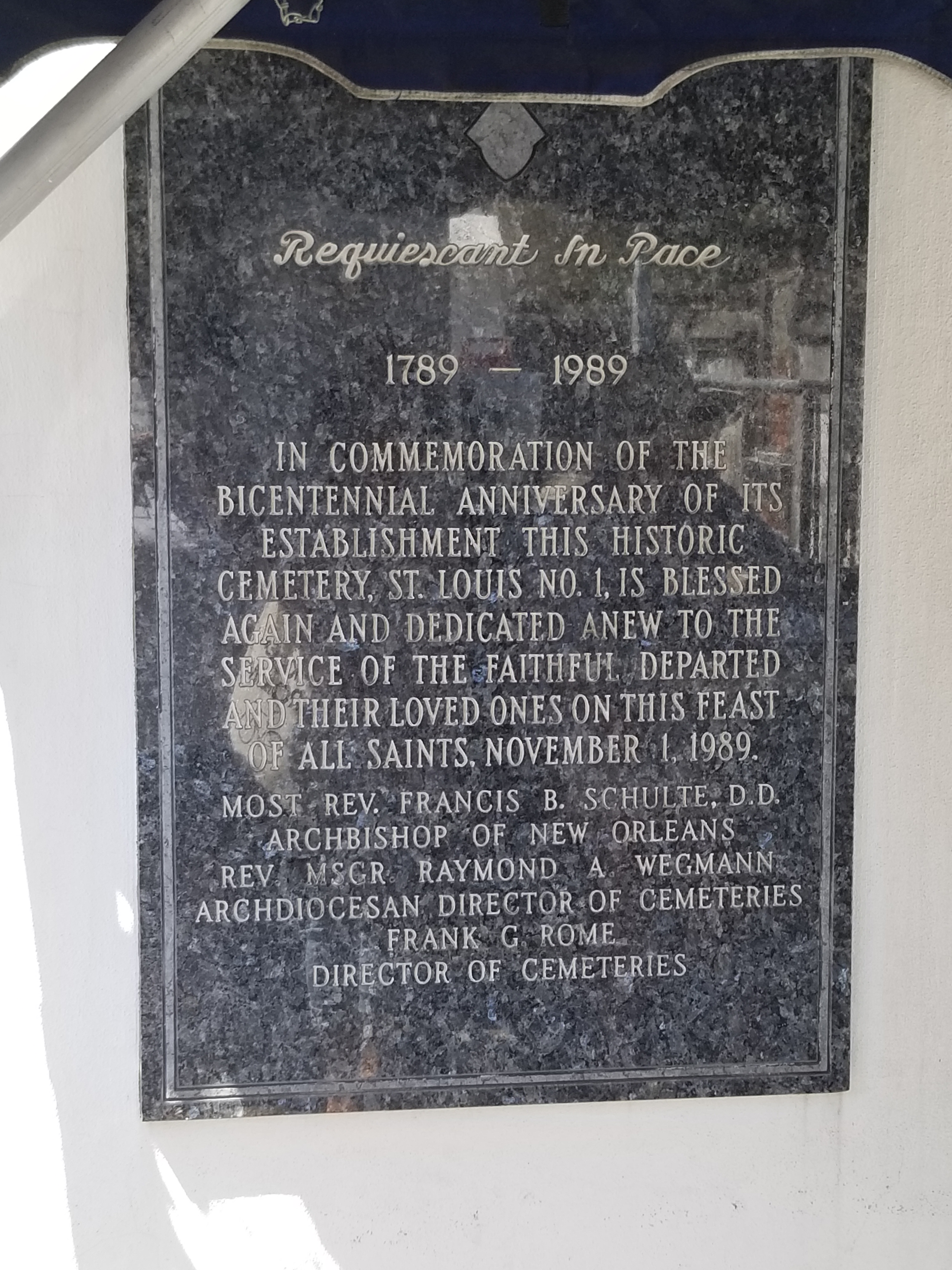 The Cemetery is one square block and is fenced in by high walls of brick, some of the portions are actually tombs itself. These walls serve as a multi-person final resting place, not necessarily a family tomb or Society.




You must be logged in to post a comment.