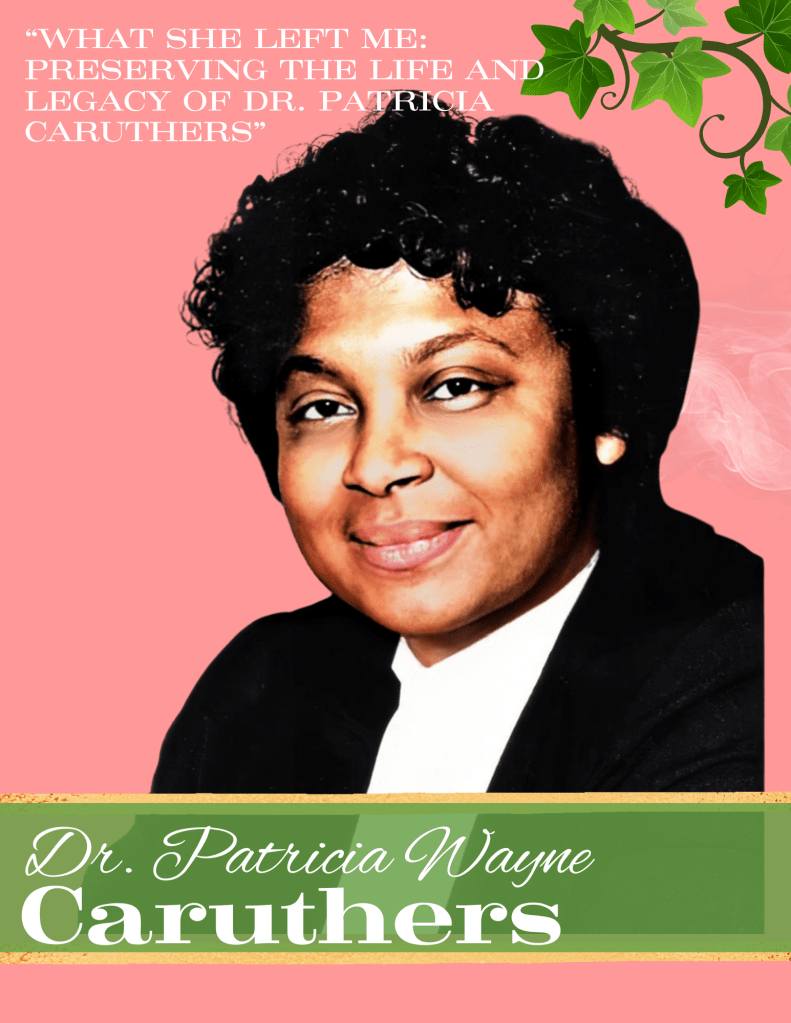
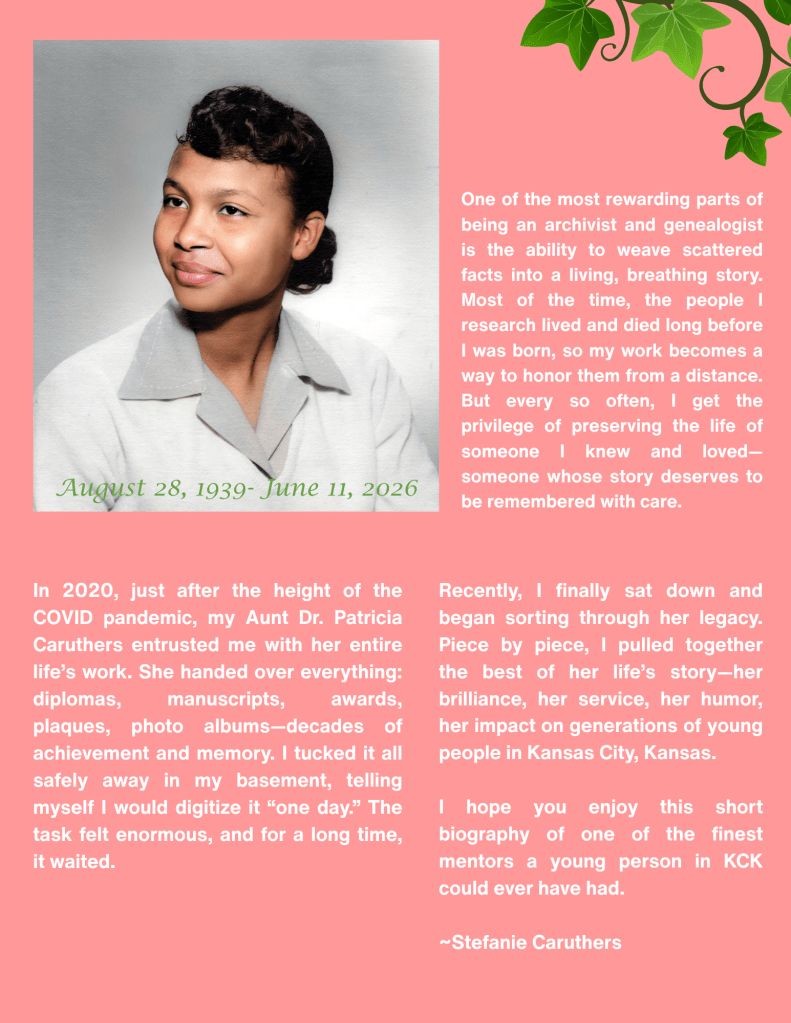
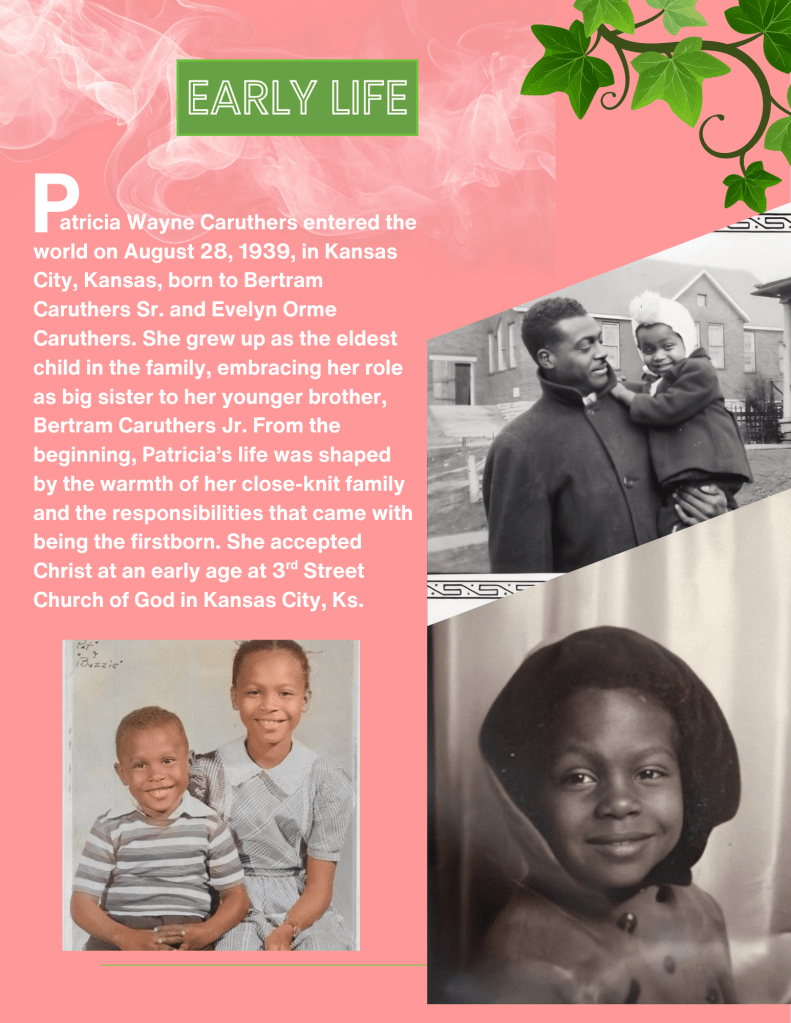
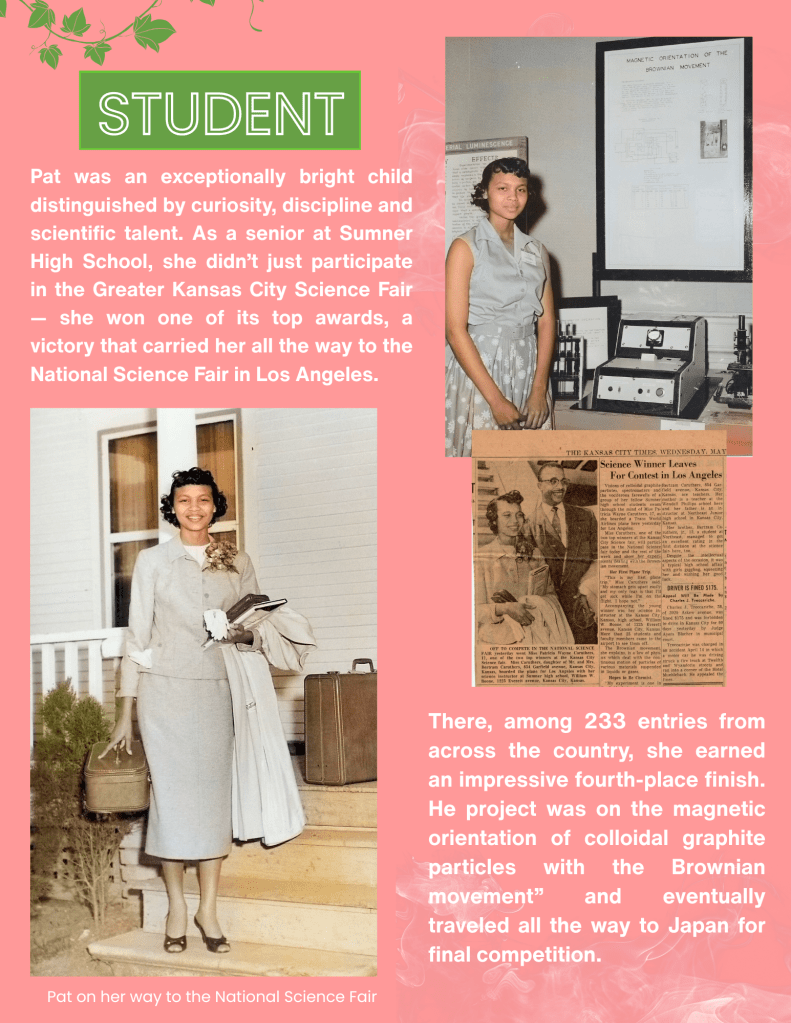
Preserving the life of Dr. Patricia Caruthers
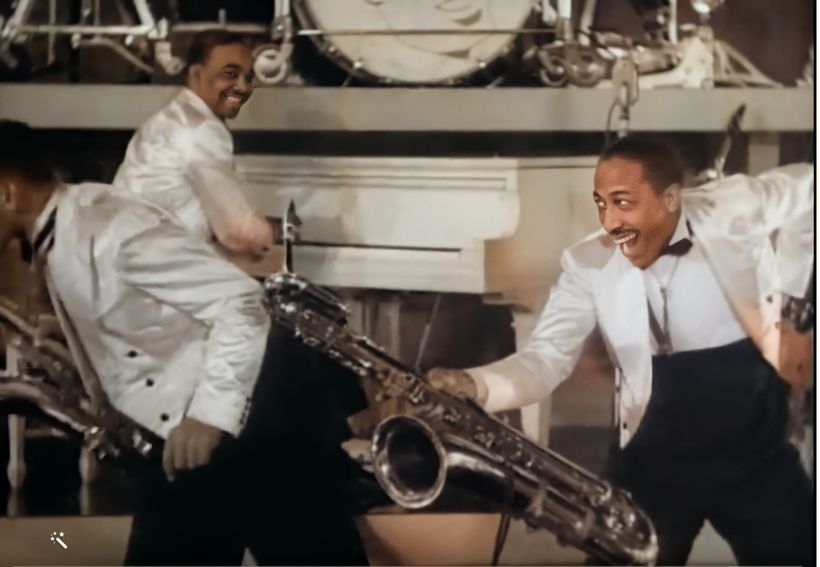
A few years ago I was able to participate in the Kansas City Black Archives digitization project: Kansas City Jazz era and the Great Depression. I submitted this rare photo of my Uncle Earl Caruthers who was a local jazz musician that played with some pretty impressive swing and jazz bands including Bennie Moten and Jimmie Lunceford. The photo came from my cousin Candy Caruthers-Morrow’s collection who was his youngest daughter.
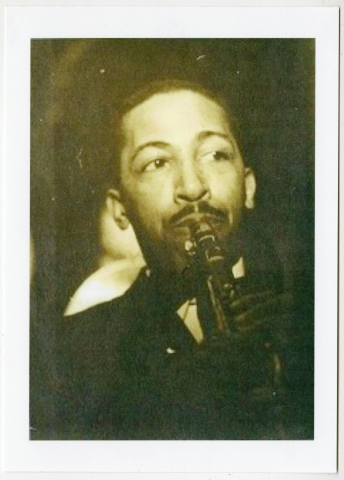
My Uncle Earl or “Jock” as he was called was born Earl Malcolm Caruthers on May 29, 1904 in Monroe County, Mississippi. Many accounts have him born in Westpoint, Mississippi in 1910 but he was at least 6 years old on the 1910 US census. The 10th of 11 children born to Jefferson and Mary Caruthers, the lived in rural Muldon, Mississippi where his parents were farmers. Along with other Caruthers family members, Earl’s father would migrate to Kansas City, Kansas to escape the Jim Crow south. Earl attended Sumner High School and played basketball.
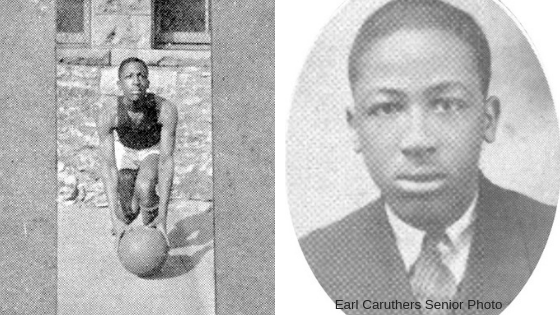
My uncle attended Fisk University for two years after graduating from Sumner High School. He married Odia Wilson at age 20. From this union his first daughter Gloria Caruthers was born.
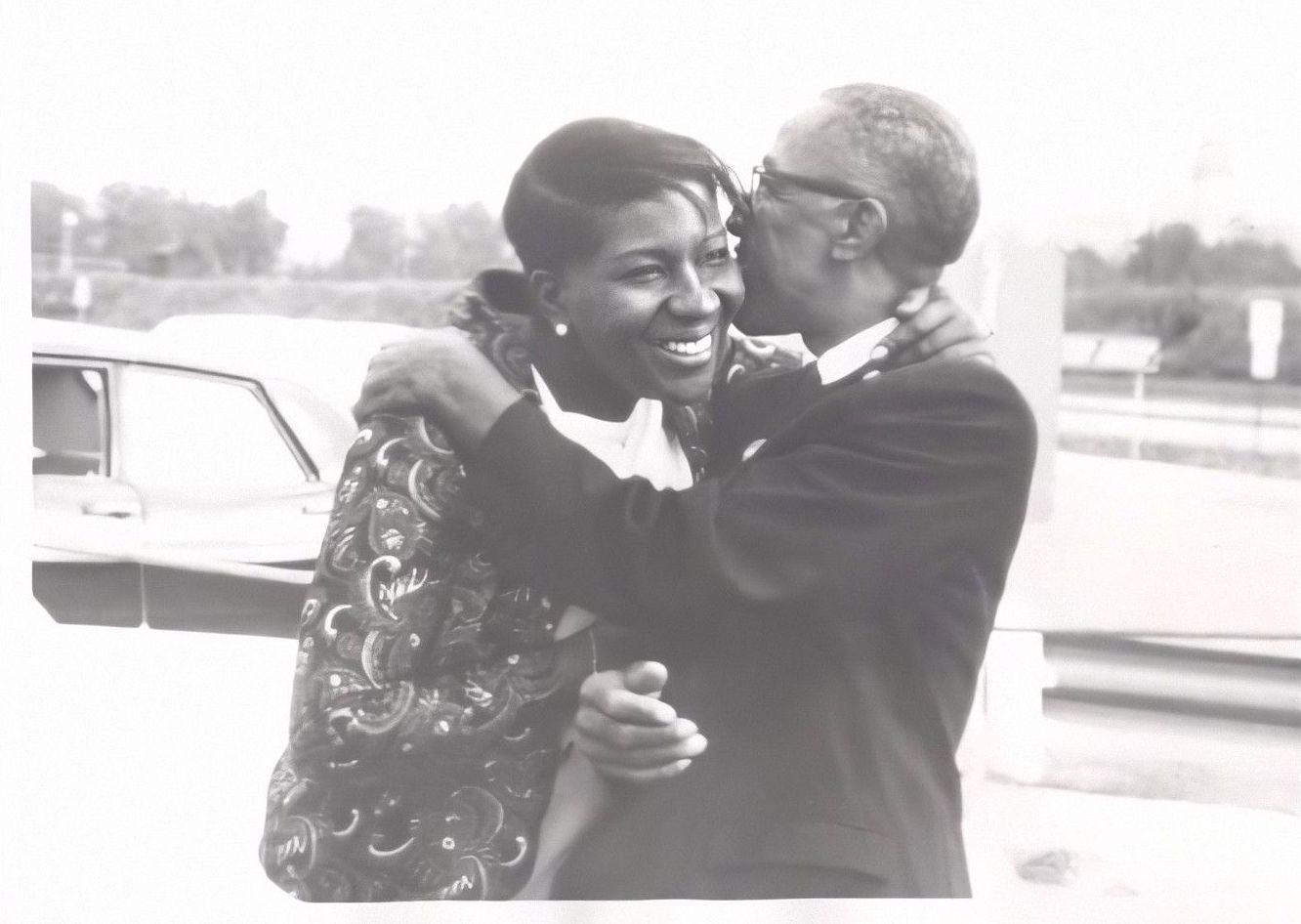
He moved his new family to St. Louis where he had begun his career playing various saxophones in Bennie Moten’s Kansas City orchestra in 1928.
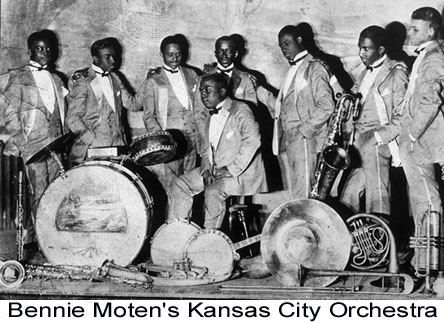
Earl could play several different saxophones. In 1932 he joined the band of Jimmie Lunceford and mostly played the large baritone sax. He recorded with Lunceford often and can be heard on Lunceford’s “I Love You,” the raucous “Harlem Shout,” and the rowdy “Organ Grinder’s Swing.” He would eventually make New York his home base and in 1944 married Constance Collins from New York. Earl remained a member of Lunceford’s orchestra until Lunceford died in 1947. Shortly after he moved back to Kansas City, Ks with his daughter Candace and her younger brother Earl Jr.
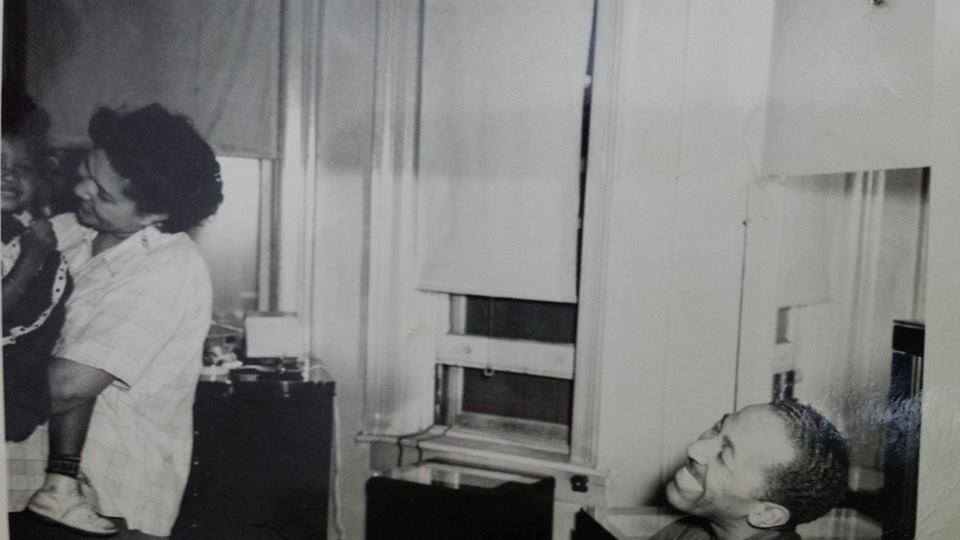
Uncle Jock continued to play in various bands in Kansas City and also took up a job as the local milk man. A man with a warm heart, he gave milk to families that could not afford it (much to the dismay of his employers) often paying from his own pocket. He died on April 05, 1971 in Kansas City, KS.
If your interested in seeing Earl Caruthers play, this might be the only video recording of him. “Jimmie Lunceford and his Dance Orchestra with The Three Brown Jacks and Myra Johnson” recorded in 1936. Get ready to snap your fingers and tap your feet!
Uncle Jock is the last Sax on the right Click here
Video and Photo still credit: Jeremiah Ledbetter
Photos Courtesy of Roy Morrow (husband of Candace Caruthers) and Stefanie Caruthers
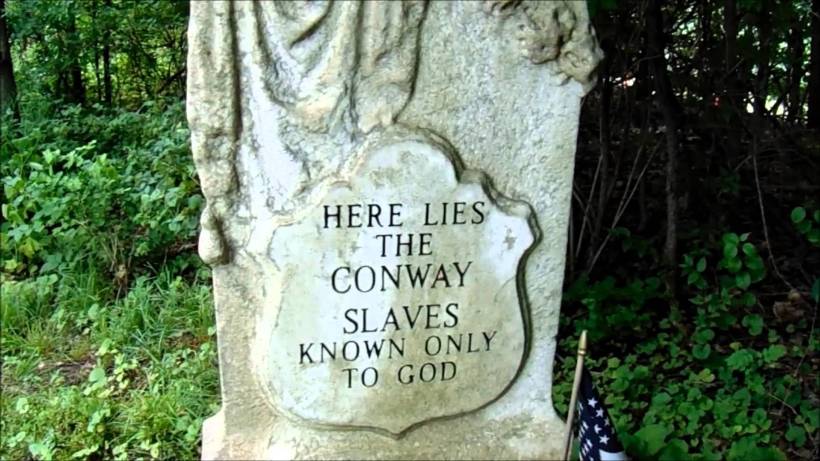
It’s a known fact the state of Missouri had slaves. Census records show that thousands of people lived on what is now the KCI airport including plantations. Most slave burial grounds did not mark graves with a headstone and even after emancipation, African-Americans could not afford a headstone. Sometimes the plot was marked with a simple stone or a saw palmetto plant.
Recently a group of concerned citizens have brought attention to the land that will be developed for the new Kansas City International Terminal might have unmarked slave graves. Bruce Watkins Jr. states, “It feels like we are being written out of history,” said Watkins, whose ancestors lived on plantations around KCI. “By saying it doesn’t exist or not documenting its existence, it pretty much writes us out of Kansas City and local history.” He would like to see the airport acknowledge and include the possibility that there may be unmarked slave graves on the property. KCI states that archeologist have taken core samples with nothing conclusive in 2006.
How does one find out if indeed there are multiple burial sites that would date back 150 years? This debate has been ongoing for 10 years with no visible proof other than white family plots that have already been identified or relocated. Recent interviews with locals have not uncovered much more other than supposition. However if they do discover the presence of graves KCI and Platte City council could borrow a page from Shell Oil. Earlier this year, Shell honored and remembered those buried on what used to be the Monroe and Bruslie sugar plantations, in Louisiana.
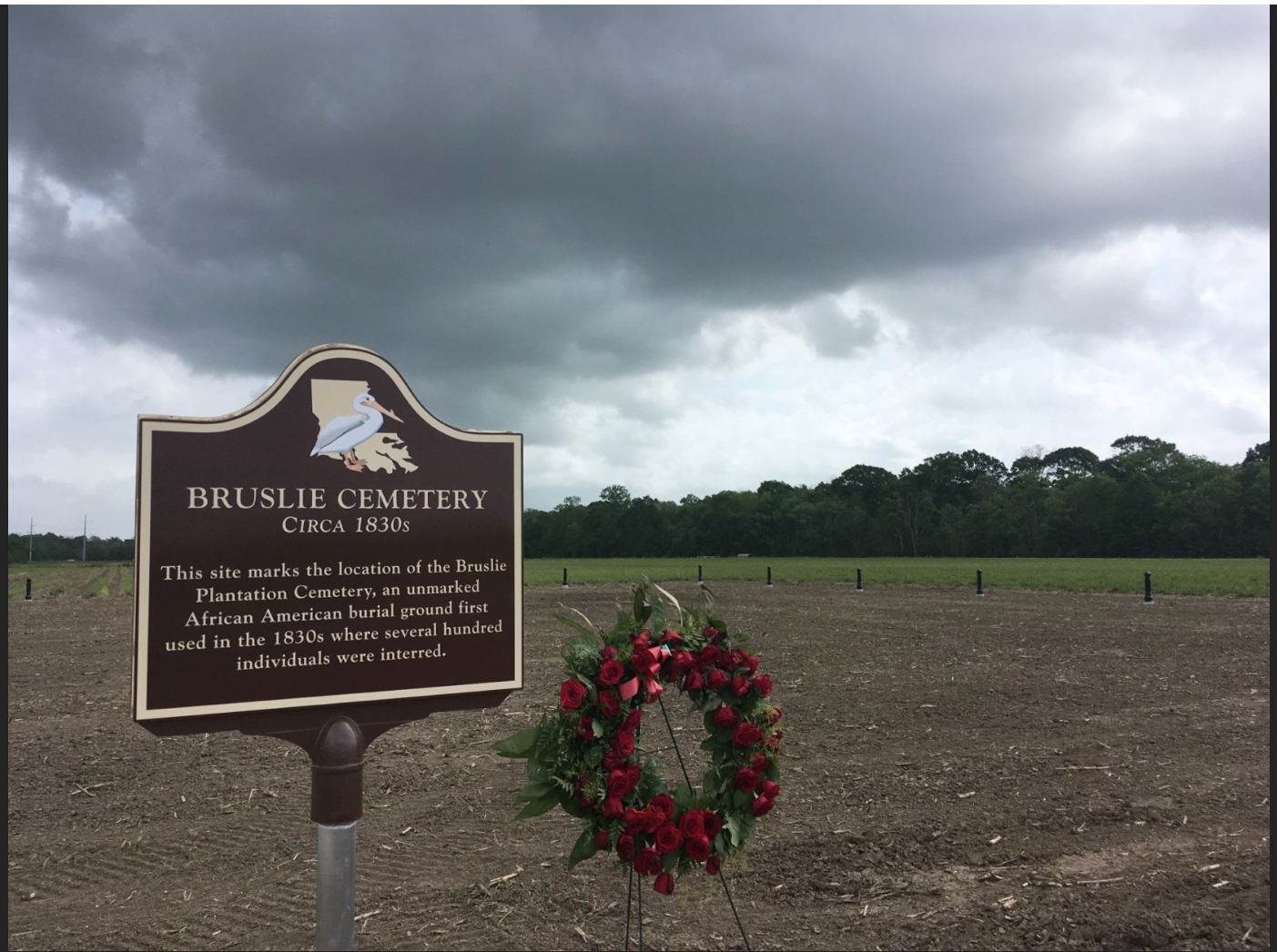 “We ought to work together to figure out how … to evaluate the things that we want to preserve, protect and teach about in terms of how this country was really developed,” said A.P. Tureaud Jr., the son of a revered New Orleans civil rights lawyer who counts slaves and slave-owners among his ancestors. Tureaud is working to give slave gravesites federal protection. Bruce Watkins Jr. and other Kansas Citians that share a common interest in preserving the sacred burial grounds on KCI land could introduce similar legislature that would protect current and future discoveries.
Photo of Bruslie Marker: Associated Press
Quotes Bruce Watkins Credit: KSHB
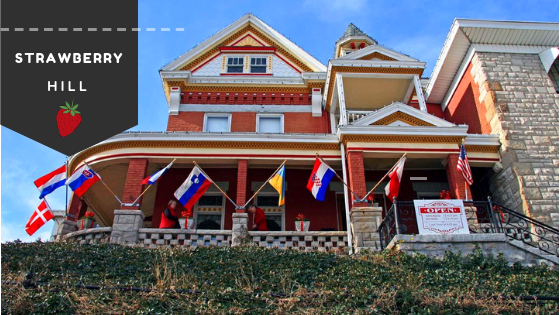
If you are from Wyandotte County, you undoubtedly have heard of Strawberry Hill. Settled by Baltic-Slavic immigrants, the area still serves as a reminder of how diverse KCK is. “The Strawberry Hill Ethnic Cultural Society was formed in 1988 to promote, sponsor and preserve the ethnic heritage prevalent in Kansas City, Kansas. The Strawberry Hill Museum and Cultural Center celebrates the many nationalities of Kansas City residents. Built in 1887, the the core building is an outstanding example of Victorian Queen Anne Style architecture and was home to the Cruise-Scroggs family for 32 years. In 1919, the mansion was opened by the Sisters of St. Francis of Christ the King, to care for children orphaned during the 1918 influenza pandemic. The orphanage, operated in connection with St. John the Baptist Catholic Church, closed in 1988 for conversion to the Strawberry Hill Ethnic Cultural Society”. The museum is closed for tours until March 3rd. Click here for more information


You must be logged in to post a comment.