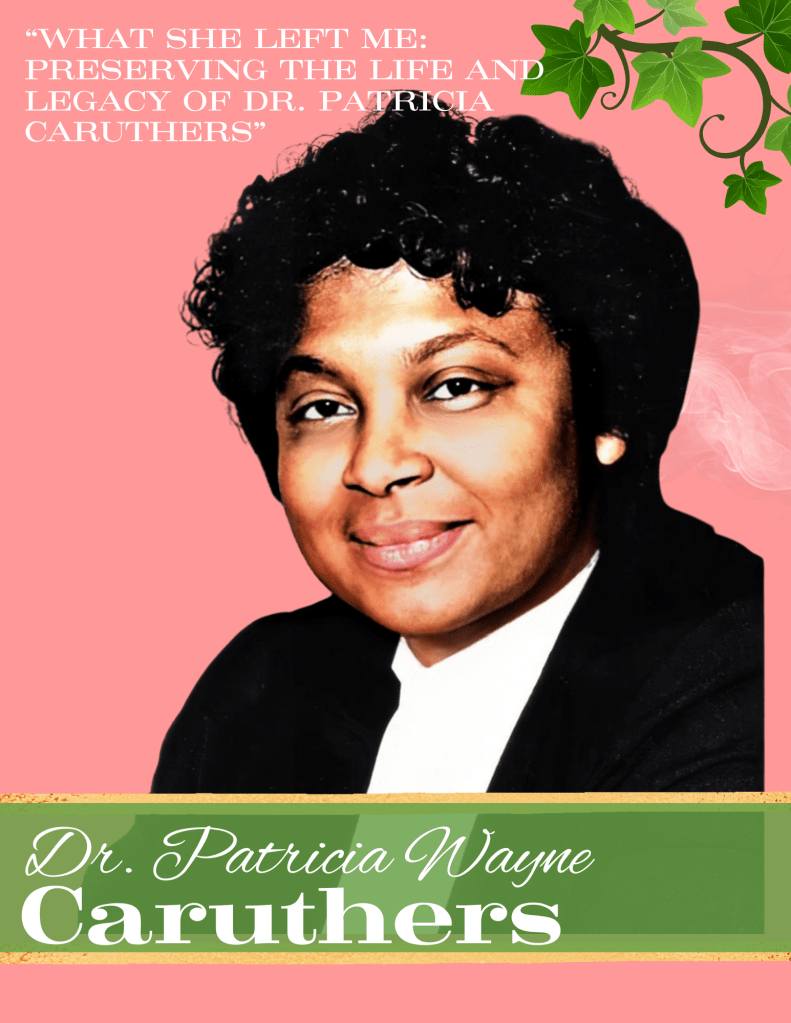
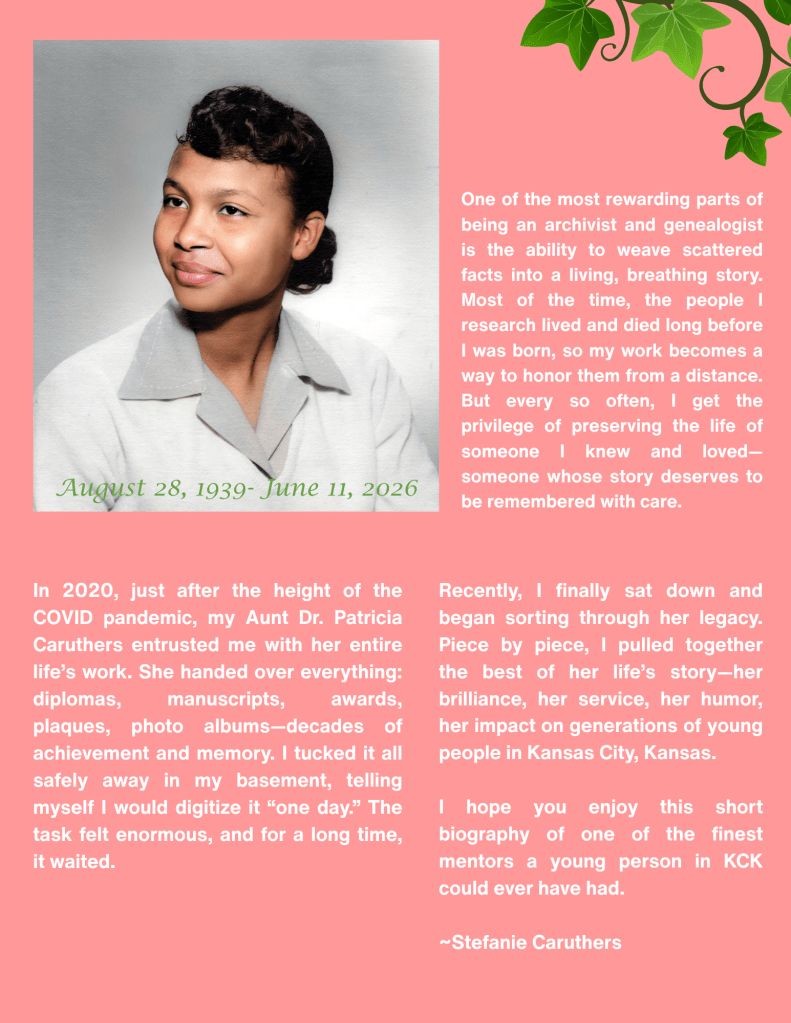
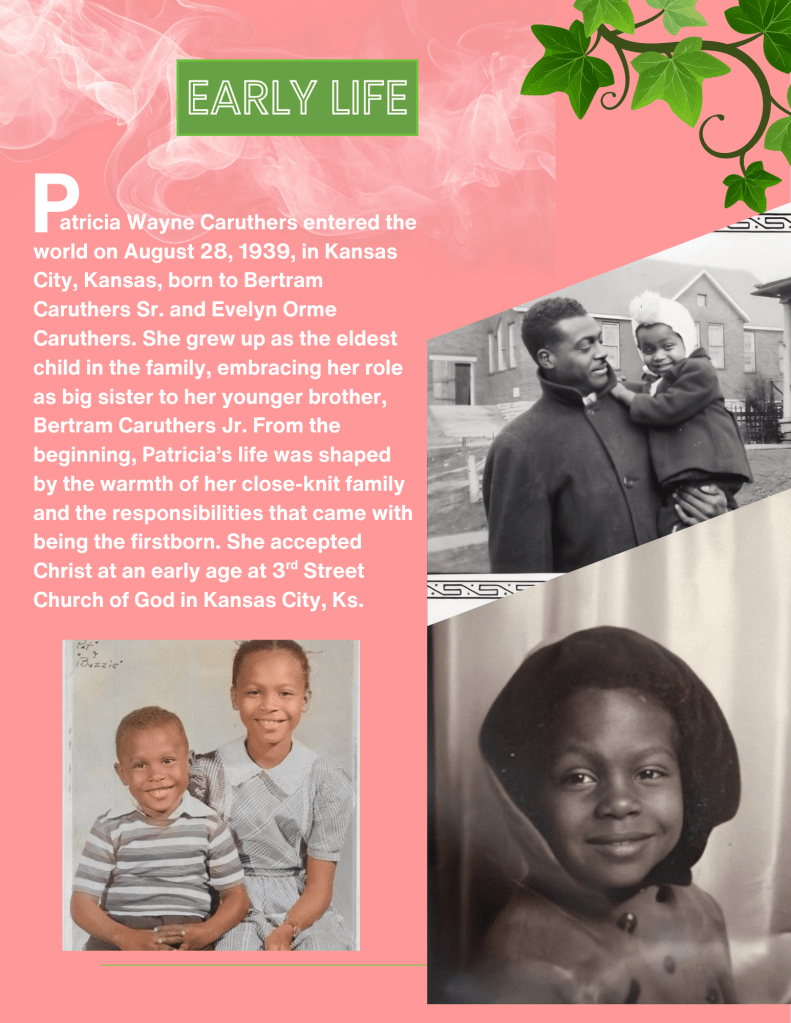
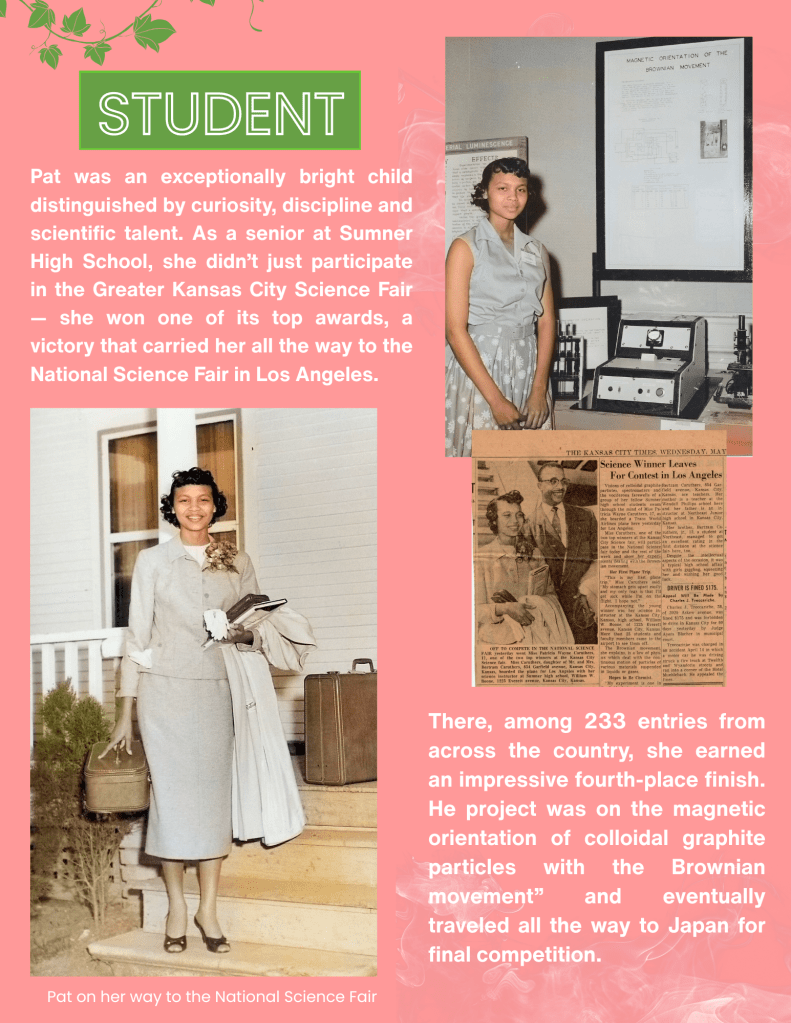
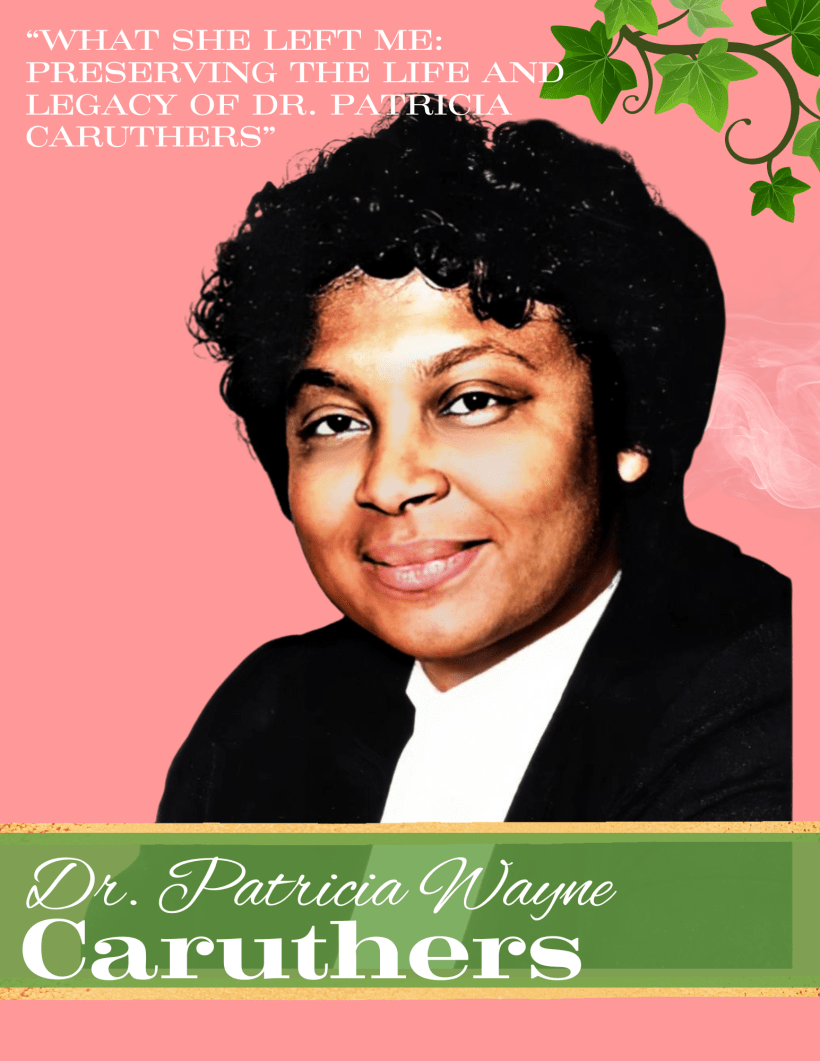
Preserving the life of Dr. Patricia Caruthers
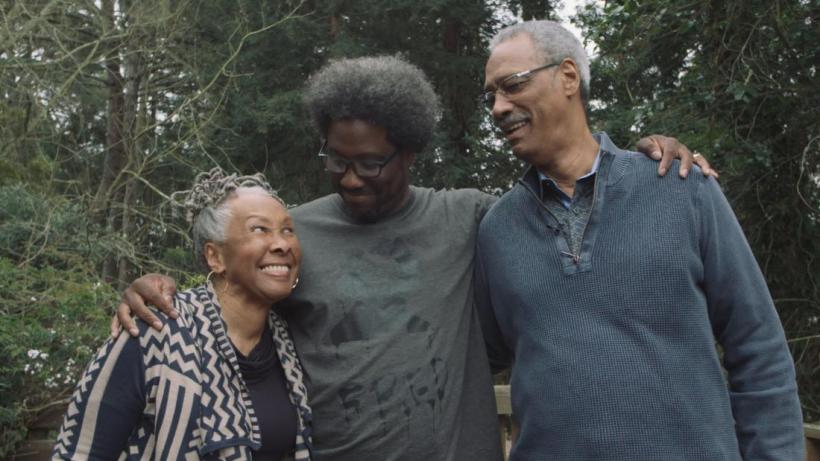
That’s how genealogical researchers have described the time period before emancipation in the US, when enslaved African Americans were treated as property — including on official documentation. W. Kamau Bell is one of my favorite comedians and video journalists. Click here to view more on his recent search to verify the accuracy of family lore.Go here
For the full 3 part videos Visit
Photo Credit: CNN
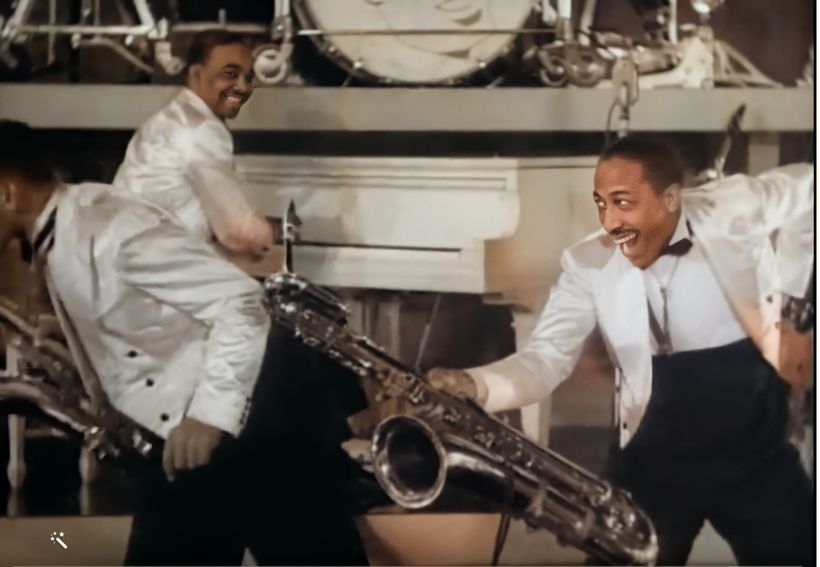
A few years ago I was able to participate in the Kansas City Black Archives digitization project: Kansas City Jazz era and the Great Depression. I submitted this rare photo of my Uncle Earl Caruthers who was a local jazz musician that played with some pretty impressive swing and jazz bands including Bennie Moten and Jimmie Lunceford. The photo came from my cousin Candy Caruthers-Morrow’s collection who was his youngest daughter.
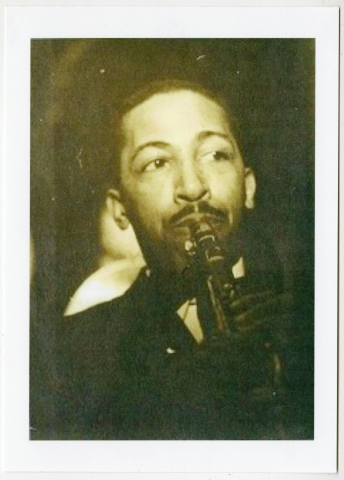
My Uncle Earl or “Jock” as he was called was born Earl Malcolm Caruthers on May 29, 1904 in Monroe County, Mississippi. Many accounts have him born in Westpoint, Mississippi in 1910 but he was at least 6 years old on the 1910 US census. The 10th of 11 children born to Jefferson and Mary Caruthers, the lived in rural Muldon, Mississippi where his parents were farmers. Along with other Caruthers family members, Earl’s father would migrate to Kansas City, Kansas to escape the Jim Crow south. Earl attended Sumner High School and played basketball.
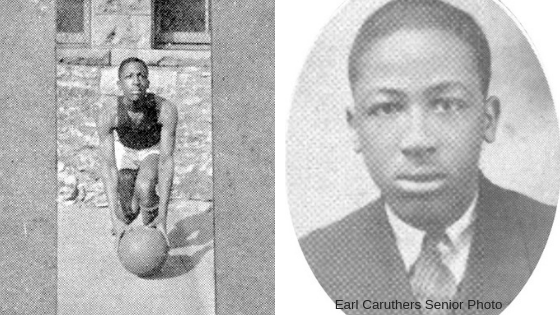
My uncle attended Fisk University for two years after graduating from Sumner High School. He married Odia Wilson at age 20. From this union his first daughter Gloria Caruthers was born.
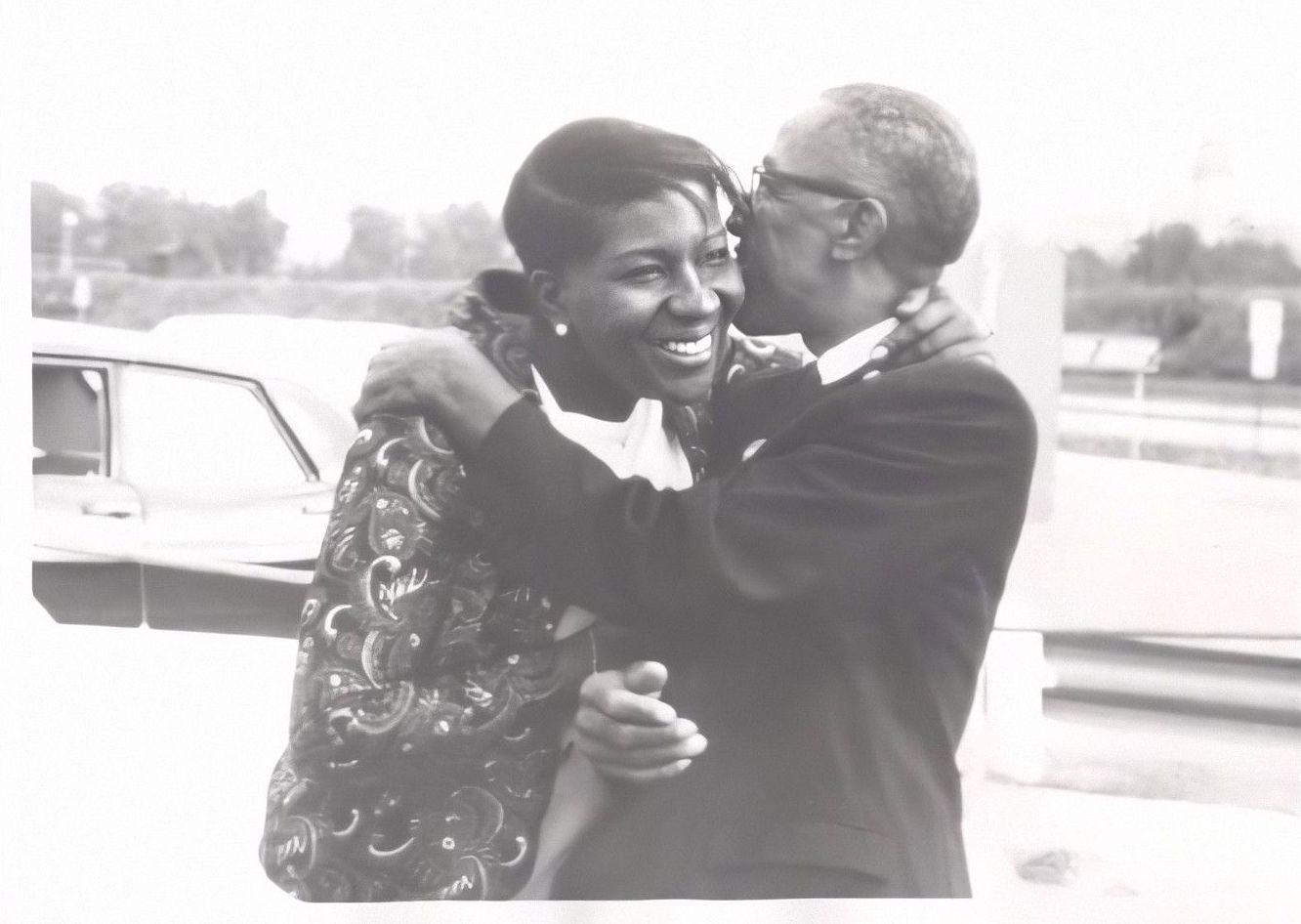
He moved his new family to St. Louis where he had begun his career playing various saxophones in Bennie Moten’s Kansas City orchestra in 1928.
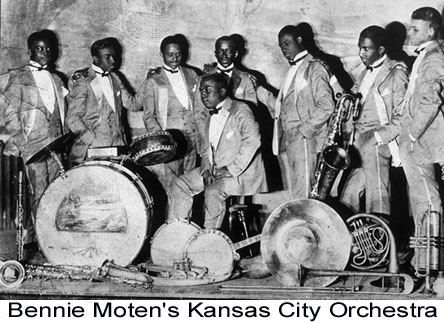
Earl could play several different saxophones. In 1932 he joined the band of Jimmie Lunceford and mostly played the large baritone sax. He recorded with Lunceford often and can be heard on Lunceford’s “I Love You,” the raucous “Harlem Shout,” and the rowdy “Organ Grinder’s Swing.” He would eventually make New York his home base and in 1944 married Constance Collins from New York. Earl remained a member of Lunceford’s orchestra until Lunceford died in 1947. Shortly after he moved back to Kansas City, Ks with his daughter Candace and her younger brother Earl Jr.
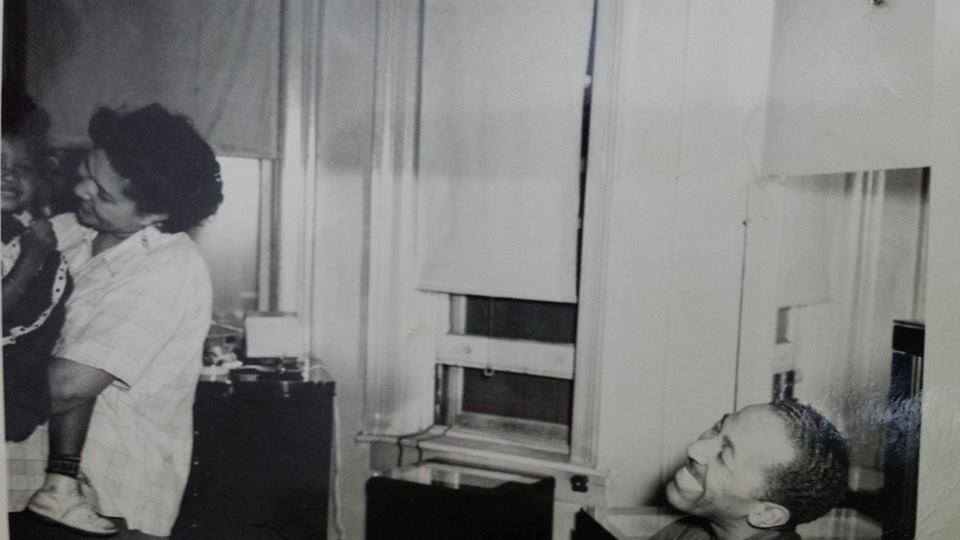
Uncle Jock continued to play in various bands in Kansas City and also took up a job as the local milk man. A man with a warm heart, he gave milk to families that could not afford it (much to the dismay of his employers) often paying from his own pocket. He died on April 05, 1971 in Kansas City, KS.
If your interested in seeing Earl Caruthers play, this might be the only video recording of him. “Jimmie Lunceford and his Dance Orchestra with The Three Brown Jacks and Myra Johnson” recorded in 1936. Get ready to snap your fingers and tap your feet!
Uncle Jock is the last Sax on the right Click here
Video and Photo still credit: Jeremiah Ledbetter
Photos Courtesy of Roy Morrow (husband of Candace Caruthers) and Stefanie Caruthers
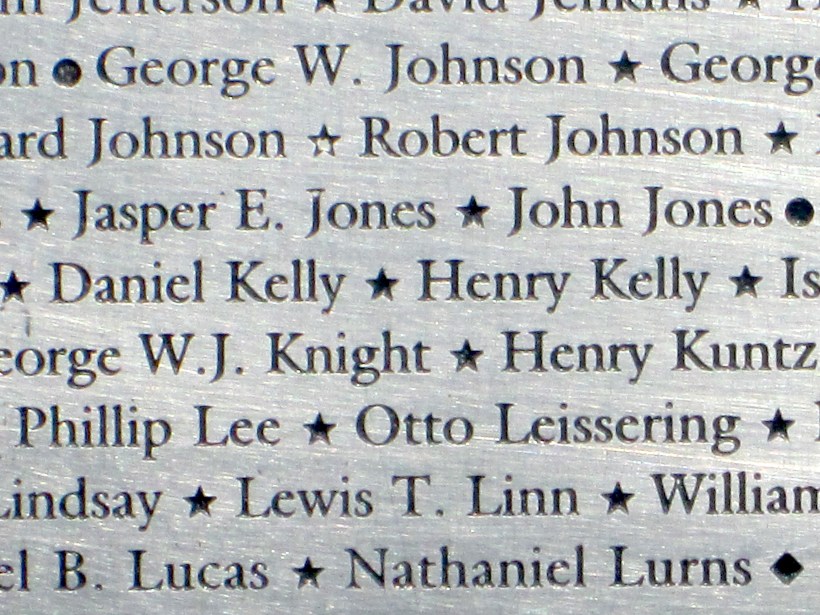
My great grandparents Isaac and Daniel Kelly both served honorably in the USCT 18th Regiment Company K out of Bloomfield, Missouri
In 1992 while attending Kansas University my cousin mailed a packet of information to me about my Kelly ancestors that lived in Fulton, Missouri. The information was sparse but the overall gist was my great-great-grandfathers served in an all Black regiment during the Civil War. It wouldn’t be until twenty years later that I pulled that packet from a memory box and began my search for more information. I wanted to confirm the legitimacy of the stories that were passed down as military documents were inadvertently thrown away. I began my search online and then visited the Missouri State Archives and was excited to find actual draft and enlistment papers on Isaac and Daniel Kelly: my 2 and 3X Great-grandfathers. This eventually led to my presentation sponsored by the State Archives with the Osage County Historical Society, A State Divided in 2014. National and State Archives have made it possibly for many families including mine to uncover and preserve this important part of our history.
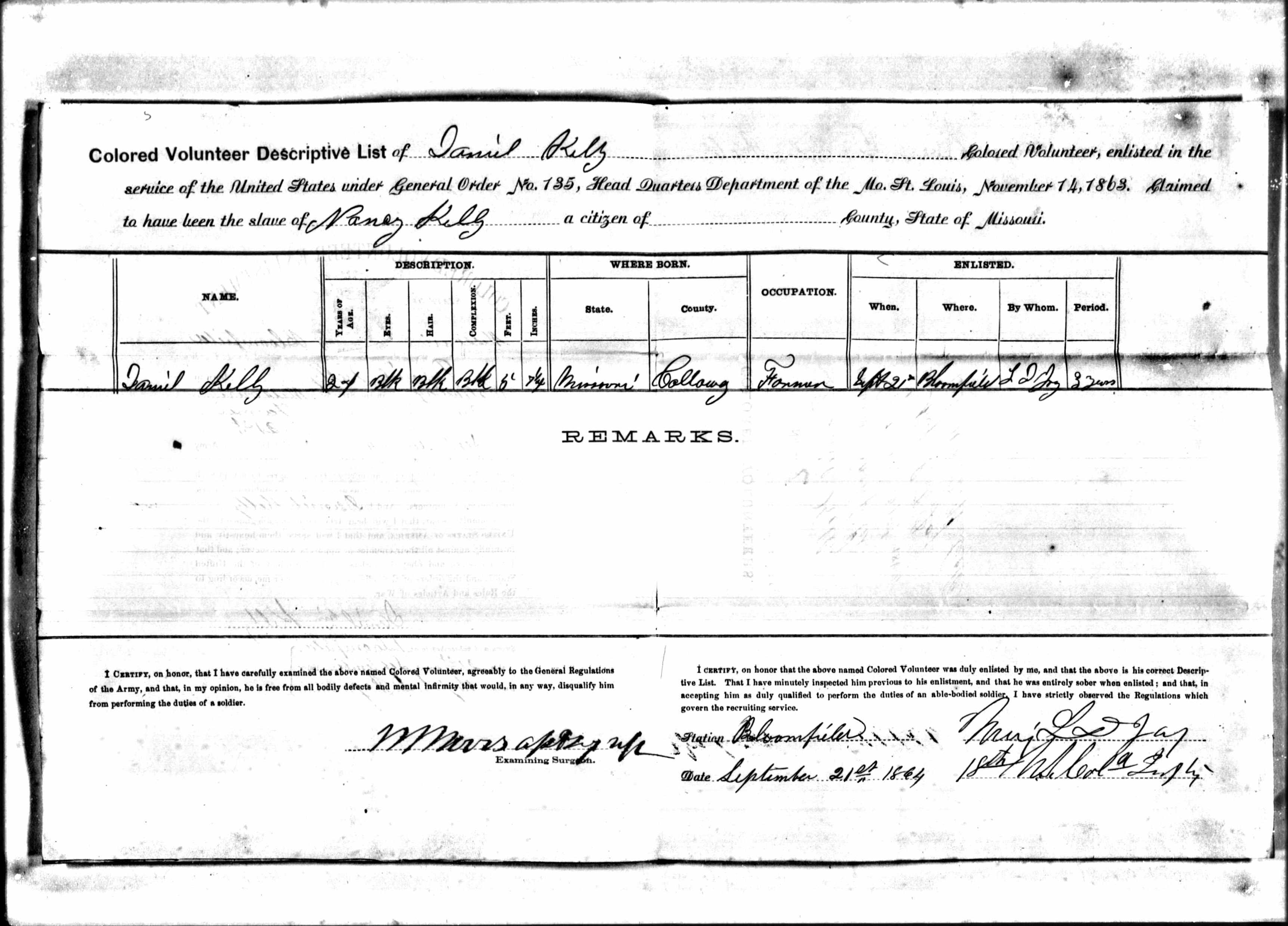
Isaac Kelly was born about 1825 in Calloway, Missouri, the slave of Nancy Carson Kelly. Isaac Kelly had one son that I know of named Daniel Kelly born in 1840. They both were owned by Nancy and probably her first husband Larkin Carson. When Larkin Carson died in 1850, Nancy married John Kelly and their names might have changed at this point in time to “Kelly”.
News of the Emancipation Proclamation sent a rush of free Black men to enlist. In May of 1863 the Government established the Bureau of Colored Troops to manage the burgeoning numbers of Black soldiers. Daniel Kelly and his father Isaac traveled four hours and enlisted as a volunteers in U.S. Colored Troops 18th Infantry Regiment, Company K on Sept 21, 1864 in Bloomfield, Mo. The 18th regiment was active from September 28th to February 21st, 1866 and was mustered directly into US service instead of state. The troop was sent to Benton Barracks in St. Louis, Missouri known for being the largest training and deployment encampment. Sickness and disease was rampant at the camp. Lt. Col. William F. Fox, U.S.V. reported that for the 2nd Missouri Colored Infantry, “Over 100 men died at [Benton] Barracks before the regiment took the field, the men having been enlisted by the Provost-Marshals throughout the State and forwarded to this Post during an inclement season,– thinly clad, and many of them hatless, shoeless, and without food. Many suffered amputation of frozen feet or hands, and the diseases engendered by this exposure resulted in a terrible and unprecedented mortality”(Williams, 2005).
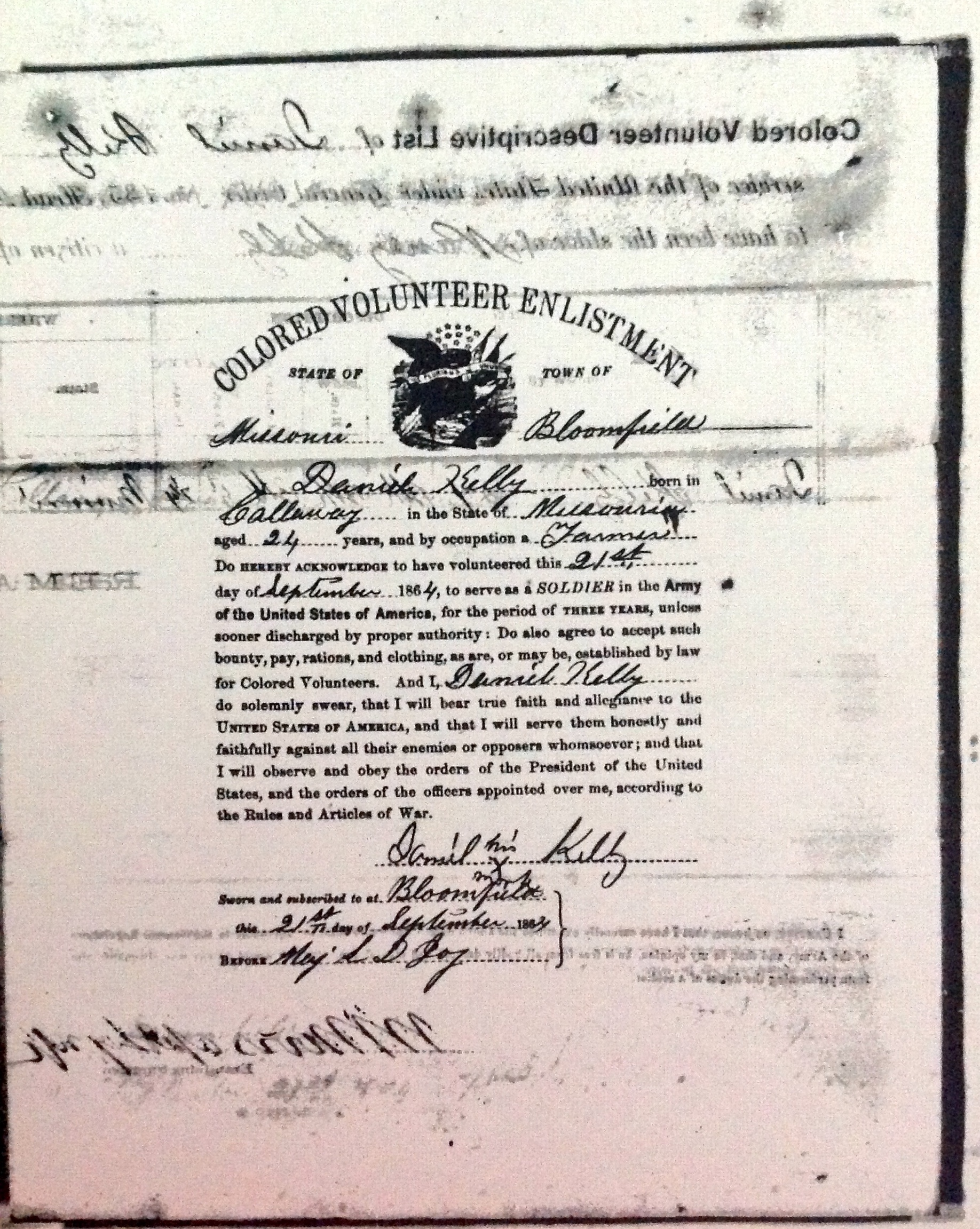
Daniel and Isaac suffered while waiting to be deployed. Daniel was listed as sick on his roll call at Benton Barracks in October and November 1864. When the troop was finally ordered to Nashville, Tennessee on November 7, Daniel remained sick in General Hospital No. 16 in Nashville. He was absent from duty from Dec 1864 through April 1865 returning for only two months of service. The 18thregiment occupied Nashville during Gen. Hood’s occupation in December and fought in the Battles of Nashville on December 15-28. Isaac would have likely seen battle as he was listed as present during this month. The troop was mustered out in February 1866. Sadly, Isaac Kelly died on April 27, 1865, in Chattanooga, Tennessee, of chronic rheumatism at the age of 40. Of 133 former Callaway Co slaves, more than a third died, mostly from disease. 13 were killed or mortally wounded in the battle of Nashville
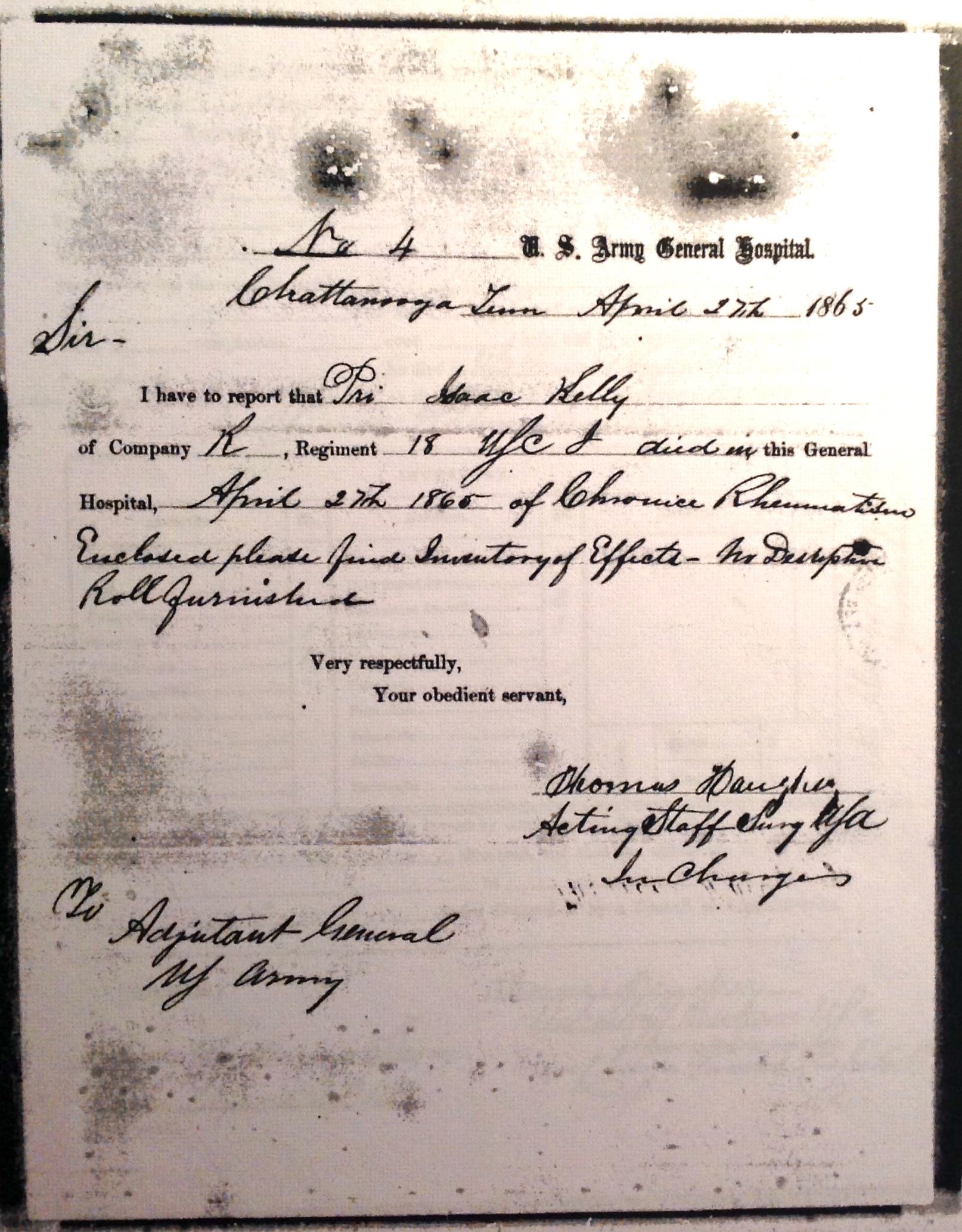
Daniel and Isaac were slaves, owned by Nancy Kelly. She received $600 total for both men volunteering. The Act of Making Appropriations for Support of the Army of February 24, 1864 provided “that all able bodied colored persons between the ages of 20 and 45, resident of the United States, shall be enrolled in the provisions of this act. When a slave of a loyal master that shall be drafted and mustered into the service of the United States, his master shall have a certificate and thereupon such slave shall be free, and the bounty of $100 for each drafted man payable” (All Men are Brothers, 2013). The act provided a bounty of $300 for slaves that voluntarily enlisted in lieu of “loss of services”. Prior to this act there was no law that provided a bounty for free or colored men.
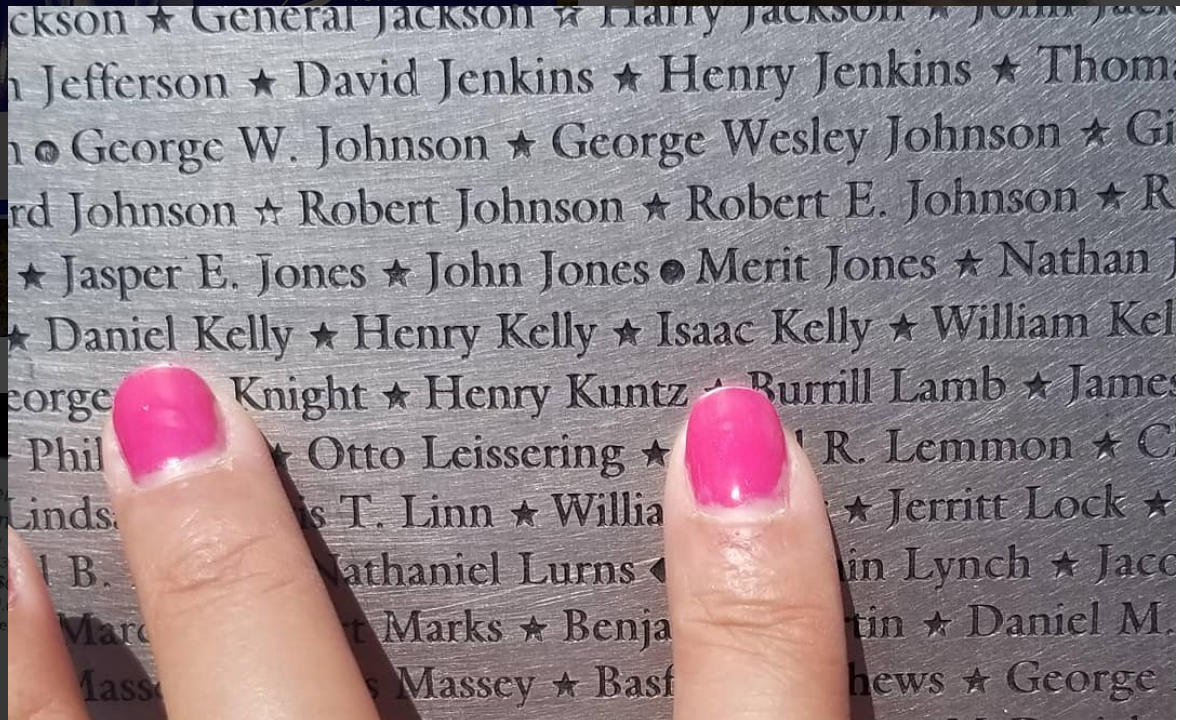
Daniel was honorably discharged from the US General Hospital in Nashville, Tenn. June 8, 1865. Isaac Kelly was also honorably discharged upon his death in the hospital. Both Daniel and Isaacs’s names appear on the African American Civil war museum in Washington D.C under plaque B-35. This monument is to preserve and tell the stories of the United States Colored Troops and African American involvement in the American Civil War.
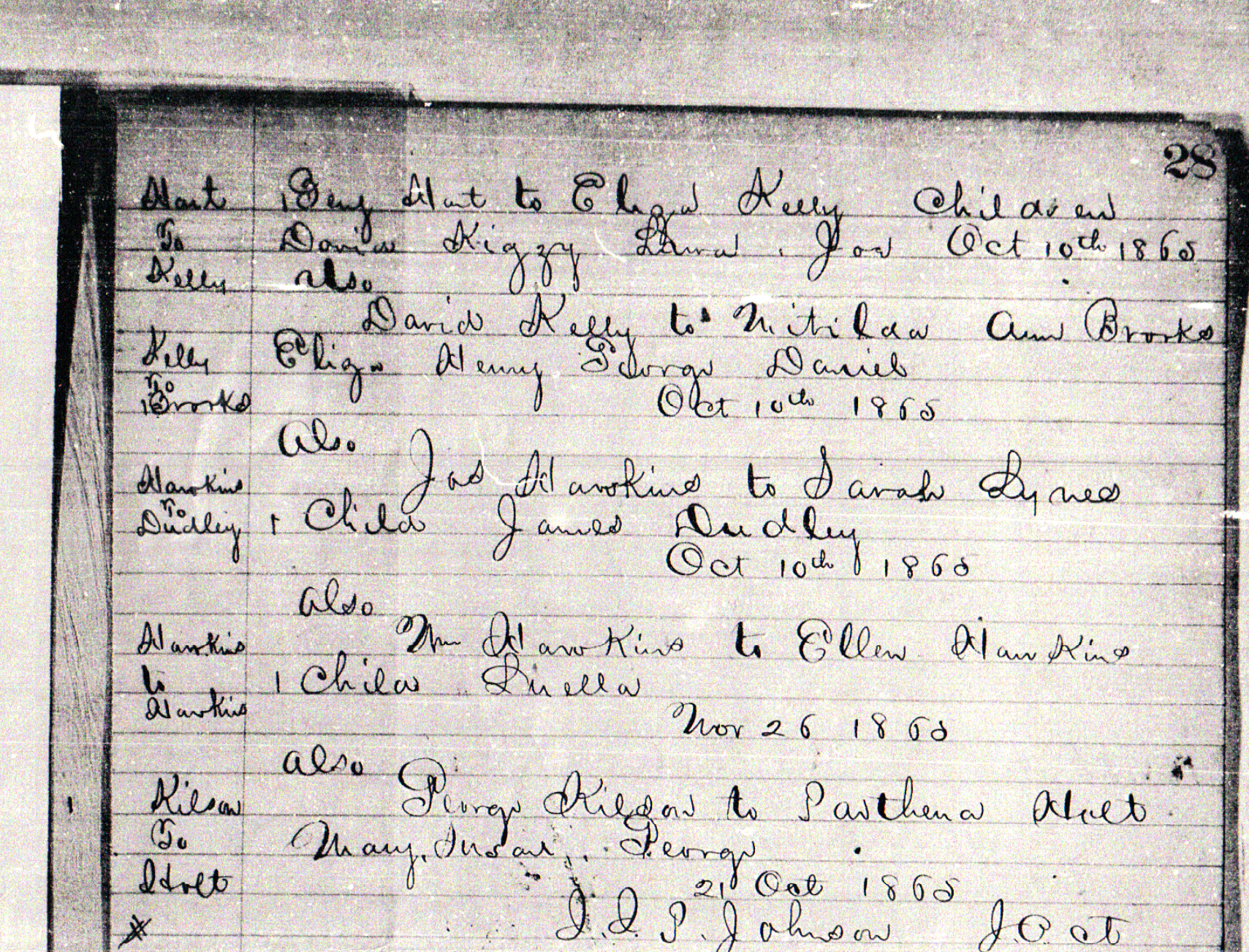
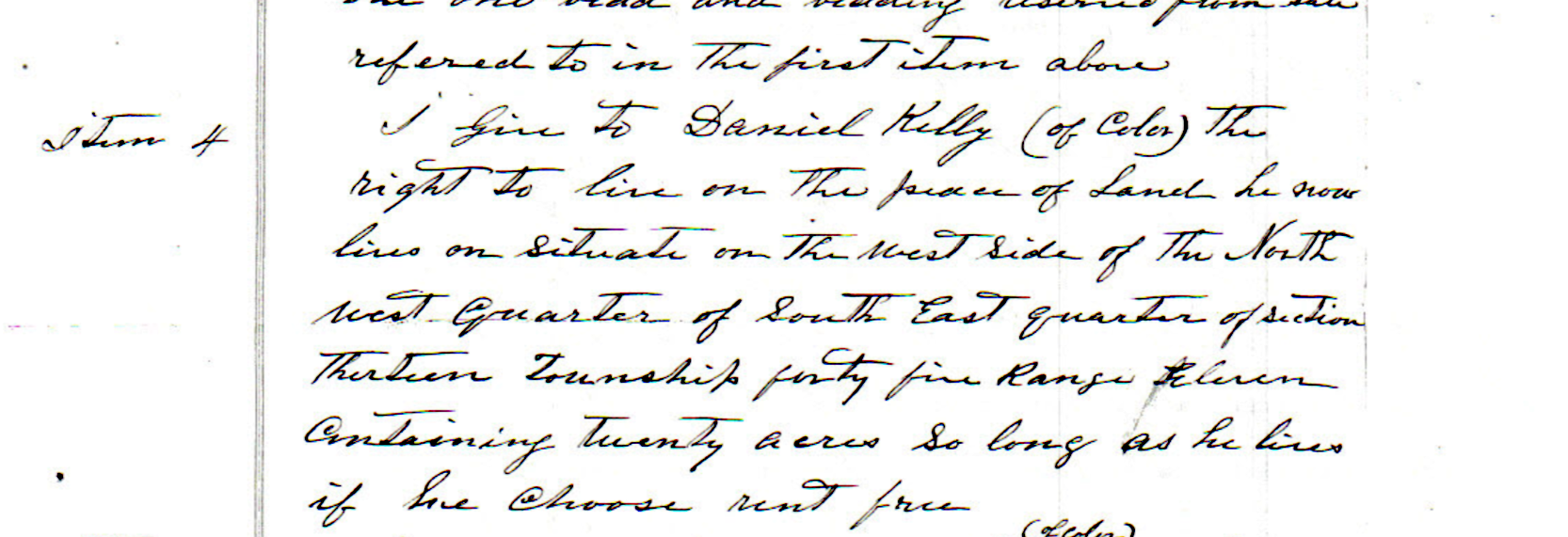
Upon Nancy Kelly’s death, she wrote in her last will and testament that Daniel Kelly (of color) the rights to live on the piece of land he now on so long as he chooses rent-free. This is a rare find in a will of a white slave owner and also uncommon to allow a freed slave to live free on land. Nancy Kelly also gives another former slave Ben Kirby the same rights.
The Kelly family owned land in Fulton and also Kansas City, Ks. My great-grandmother Fannie Kelly Orme is the last relative to own original land stemming from her father, Daniel Kelly’s benevolent relationship with Nancy Kelly. I can only image the impression on their wives and family’s seeing Daniel come home. I assume that Daniel did not come home with a “blue suit” as this would have been preserved knowing the importance of earning freedom from his enlistment. However, the site had to have an effect on the entire community from which these once enslaved men had come. Daniel was able to return home to his wife and children and build a life in Fulton until his death in 1889. The importance of family, community and education was passed down through Isaac and Daniel. His daughter Fannie married and had 8 children, four of whom were first generation college graduates. Just two generations removed from slavery in a slave state. As some families struggle to uncover their history, the entire Kelly family can be proud of the detailed records that exist of the brave Kelly Soldiers.
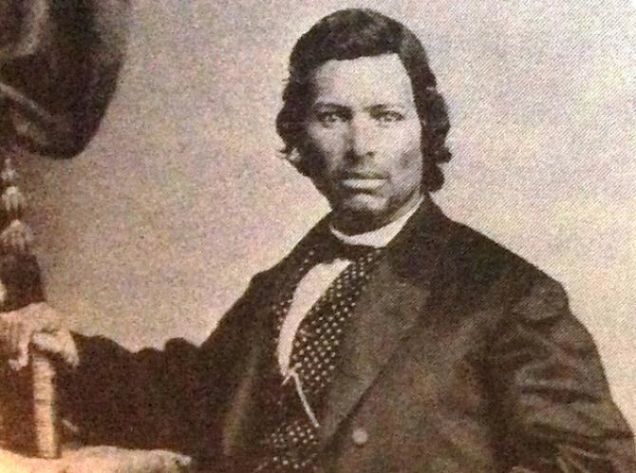
You’ve probably heard it before. Perhaps from your friends or some random person you met. More often than not, many Black people say that they have “Indian” in their family. So much so that it’s become a running joke in the Black community. But some really do believe that they do have a lineage of Native American in their bloodline because of the grade of their hair and/or high cheek bones. But in looking at the true line of African Americans, the truth is, many do not have “Indian in their family”. Here’s why:
Those high cheekbones and that straight black hair derive from our high proportion of white ancestors and not, for most of us, at least, from our Cherokee great-great-grandmother on your daddy’s side (*sigh*). DNA doesn’t lie (just ask Maury).
Here are the statistics: Whereas virtually all African Americans have a considerable amount of European ancestry in their genomes, only 19 percent have at least 1 percent Native American ancestry, and only 5 percent of African American people carry more than 2 percent Native American ancestry. How do these percentages translate into ancestry? Well, if you have 5 percent Native American ancestry in your mix, that means you had one Native American ancestor four to five generations back (120 to 150 years ago). If you have 2 percent Native American ancestry, you had one such ancestor on your family tree five to nine generations back (150 to 270 years ago). One percent of Native American ancestry means that this ancestor entered your bloodline six to 10 generations back (180 to 300 years ago).
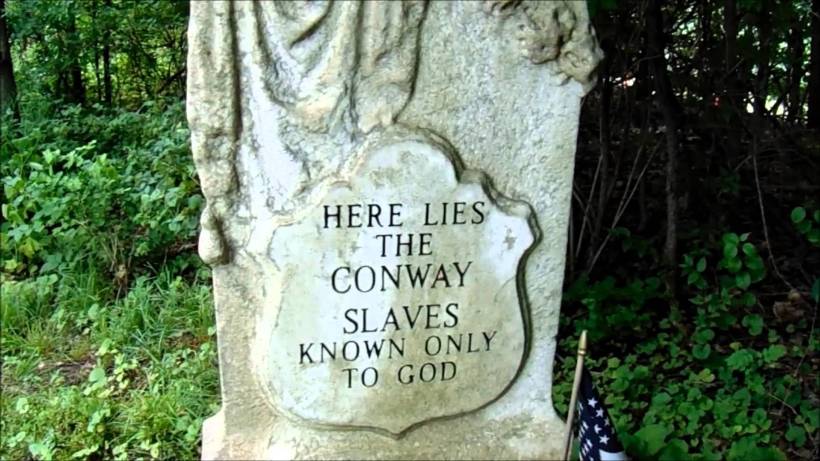
It’s a known fact the state of Missouri had slaves. Census records show that thousands of people lived on what is now the KCI airport including plantations. Most slave burial grounds did not mark graves with a headstone and even after emancipation, African-Americans could not afford a headstone. Sometimes the plot was marked with a simple stone or a saw palmetto plant.
Recently a group of concerned citizens have brought attention to the land that will be developed for the new Kansas City International Terminal might have unmarked slave graves. Bruce Watkins Jr. states, “It feels like we are being written out of history,” said Watkins, whose ancestors lived on plantations around KCI. “By saying it doesn’t exist or not documenting its existence, it pretty much writes us out of Kansas City and local history.” He would like to see the airport acknowledge and include the possibility that there may be unmarked slave graves on the property. KCI states that archeologist have taken core samples with nothing conclusive in 2006.
How does one find out if indeed there are multiple burial sites that would date back 150 years? This debate has been ongoing for 10 years with no visible proof other than white family plots that have already been identified or relocated. Recent interviews with locals have not uncovered much more other than supposition. However if they do discover the presence of graves KCI and Platte City council could borrow a page from Shell Oil. Earlier this year, Shell honored and remembered those buried on what used to be the Monroe and Bruslie sugar plantations, in Louisiana.
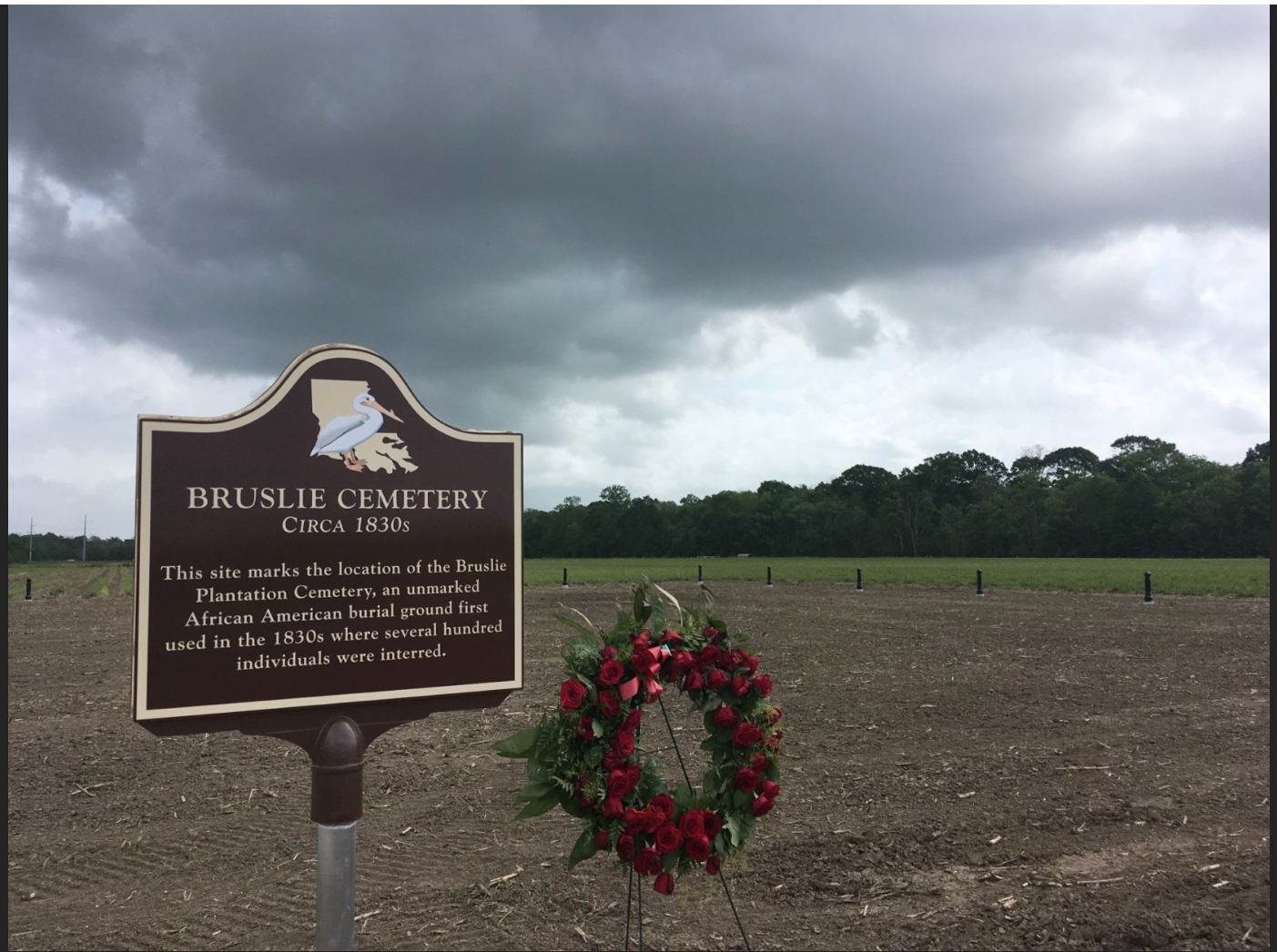 “We ought to work together to figure out how … to evaluate the things that we want to preserve, protect and teach about in terms of how this country was really developed,” said A.P. Tureaud Jr., the son of a revered New Orleans civil rights lawyer who counts slaves and slave-owners among his ancestors. Tureaud is working to give slave gravesites federal protection. Bruce Watkins Jr. and other Kansas Citians that share a common interest in preserving the sacred burial grounds on KCI land could introduce similar legislature that would protect current and future discoveries.
Photo of Bruslie Marker: Associated Press
Quotes Bruce Watkins Credit: KSHB
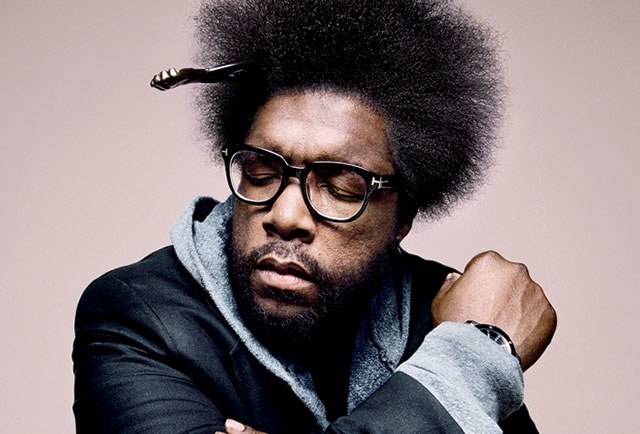
WOW! Did you guys watch the last episode of Finding Your Roots? I’ve uncovered alot of interesting African-American history but none as astounding as what Dr. Gates just found with Questlove (from the music group The Roots). Quest’ response tugged at the heart as he discovered his 3X great grandparents came on the last slave ship to enter the US and the only African-American on the show to have this discovery! Click here to see Time magazine clip
Photo credit: Vanity fair
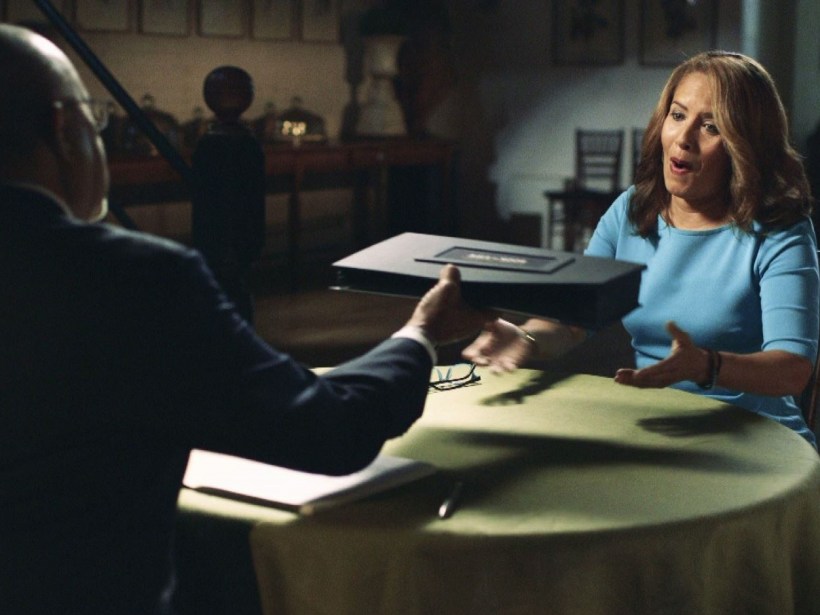
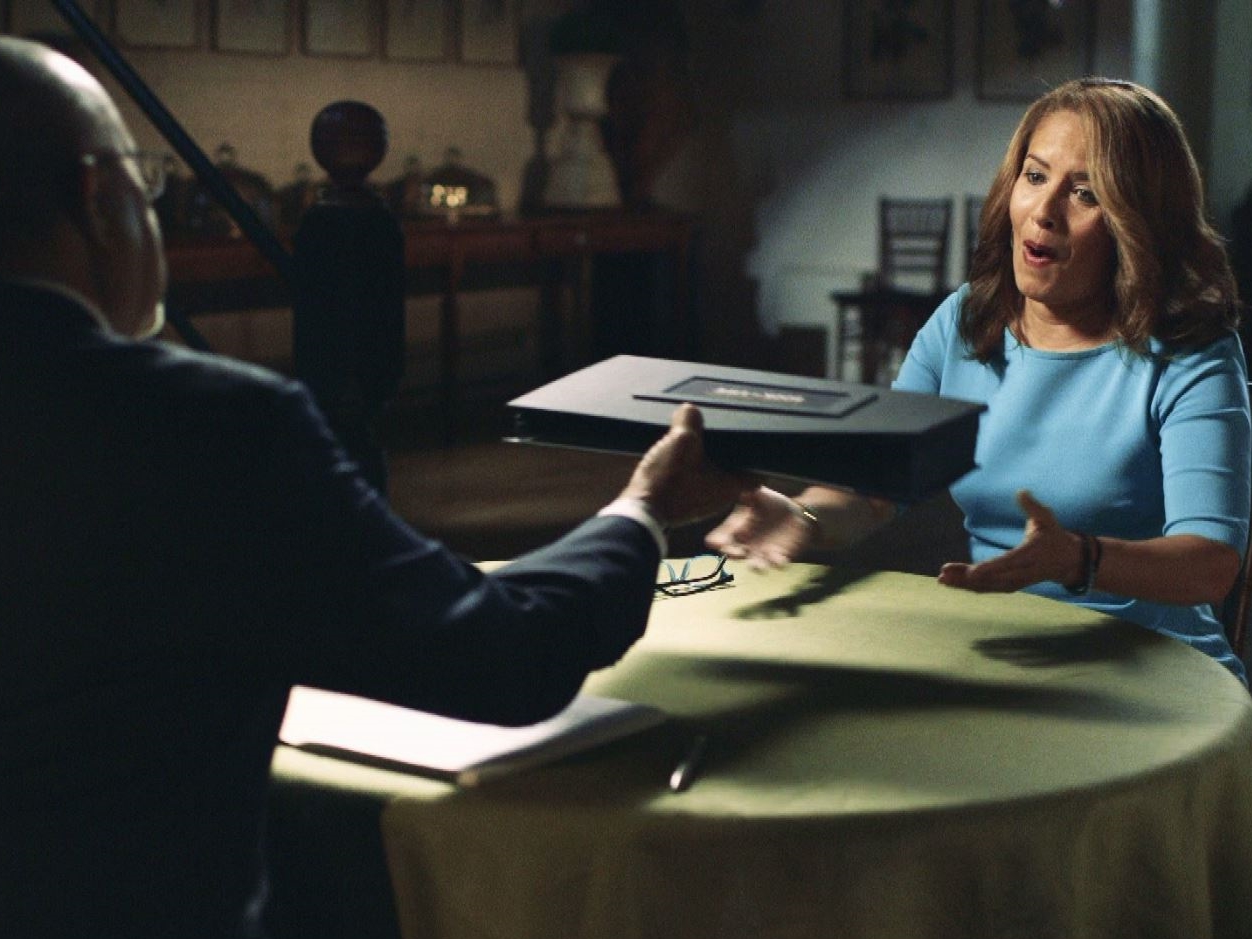
On this weeks episode of FYR-Suzanne Malveaux discovers that her roots include a black slave owner, a French-Canadian fur trader, and a Native American from the Kaskaskia tribe. Along the way, our guests are reminded that there is no universal African American narrative — that there are as many ways to be black as there are black people. Click here to see the preview


You must be logged in to post a comment.