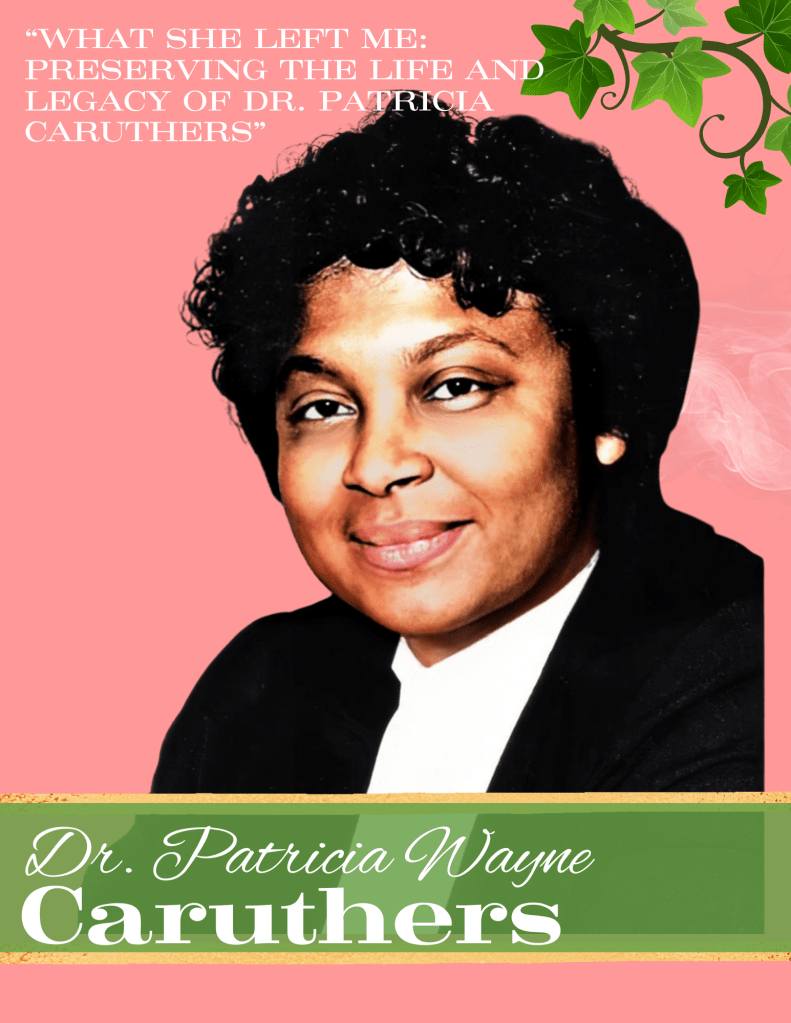
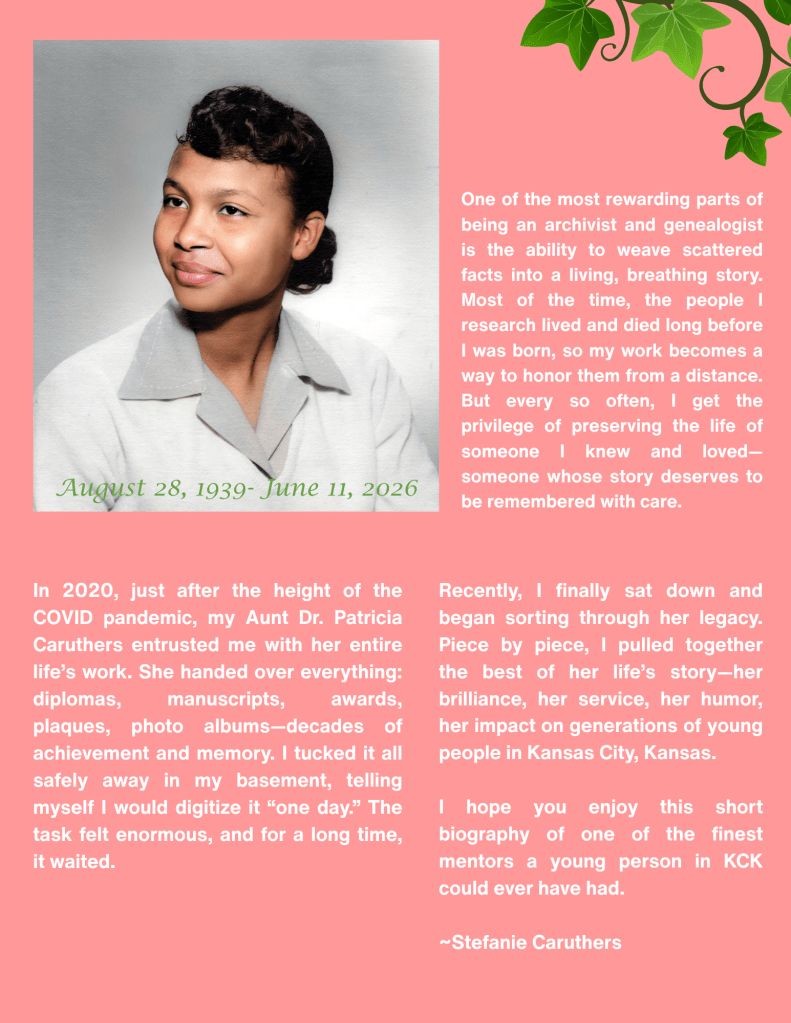
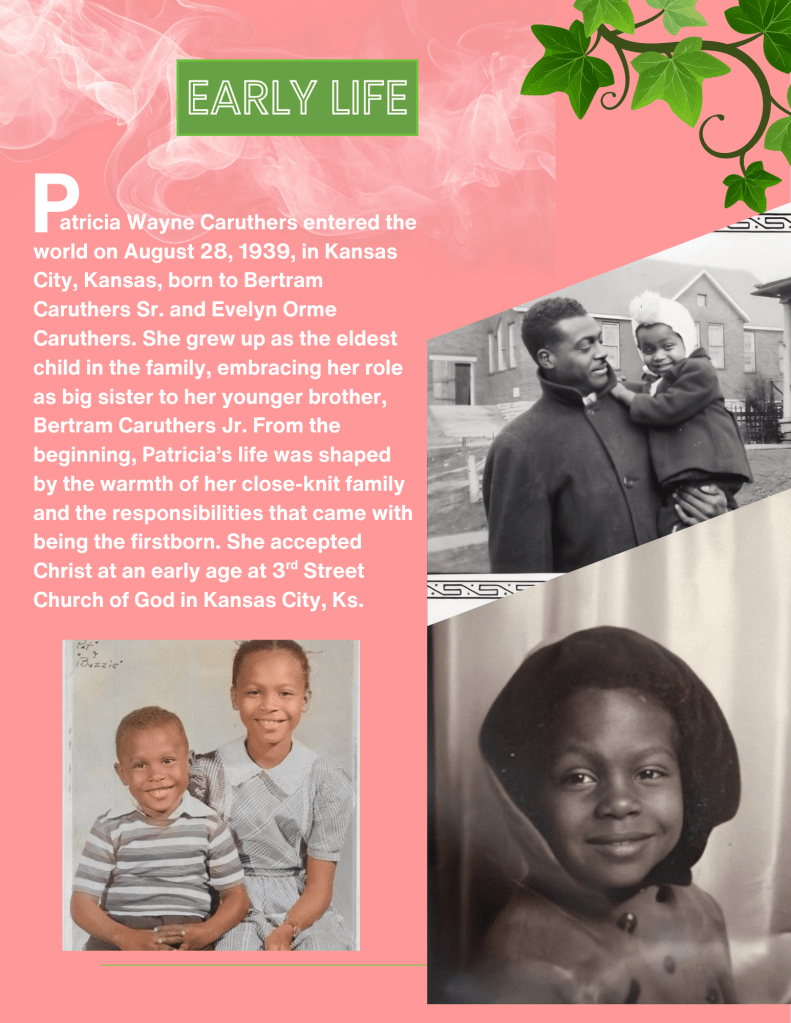
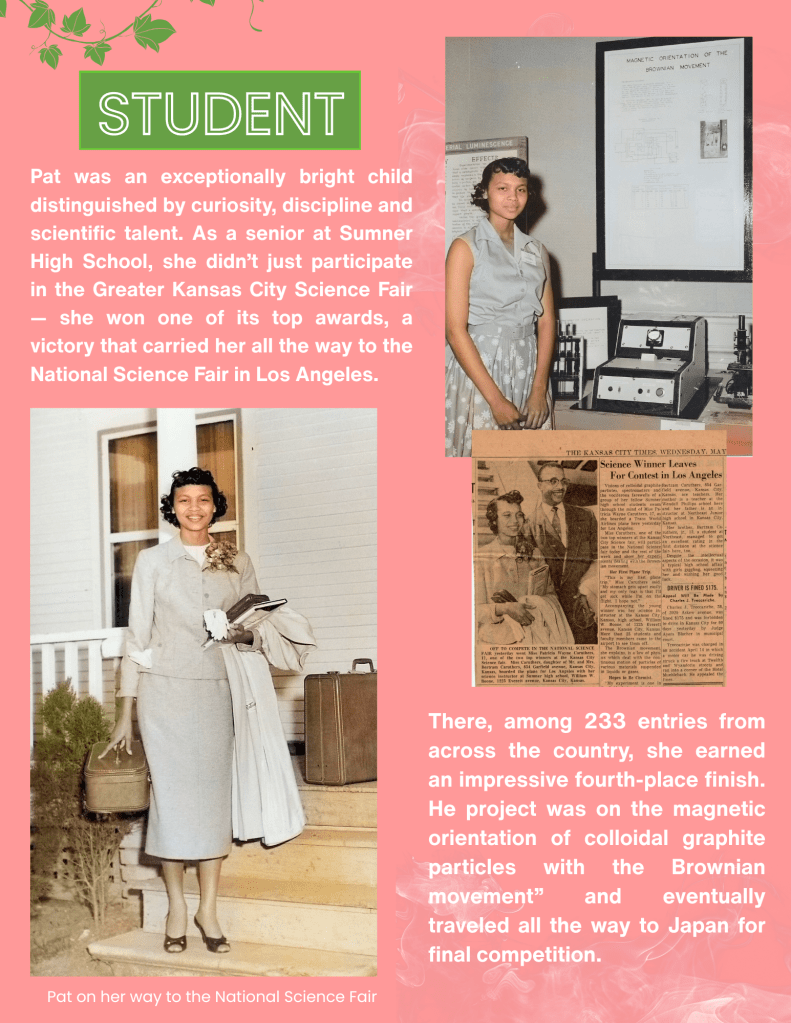
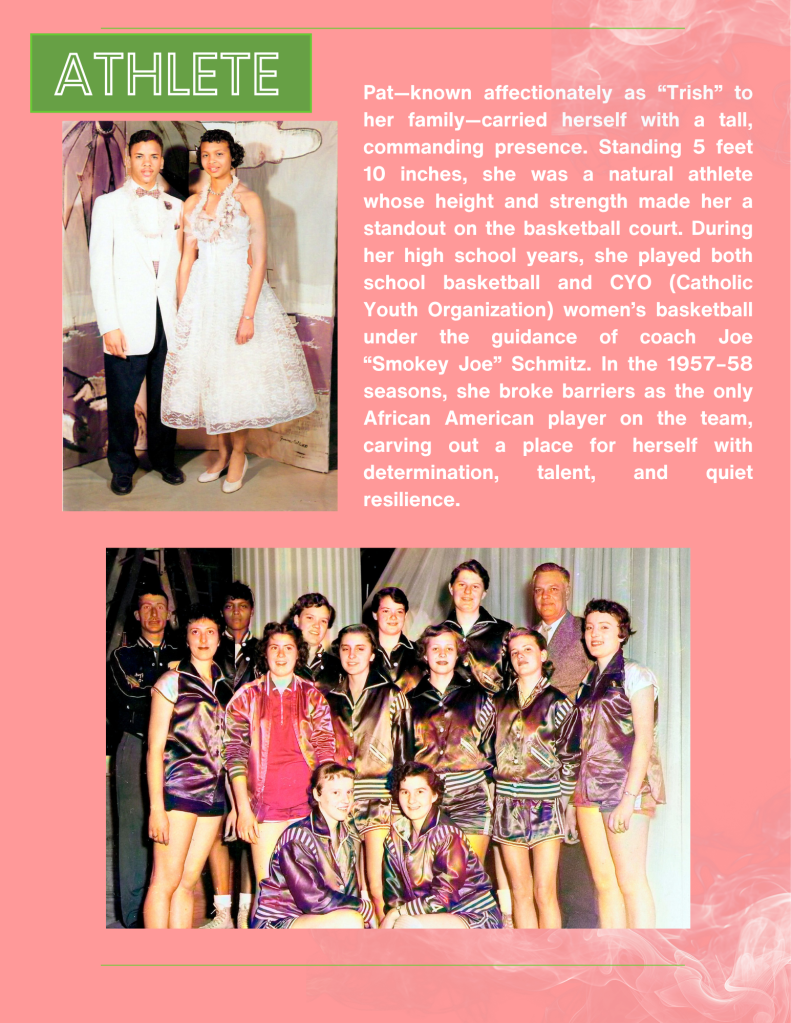
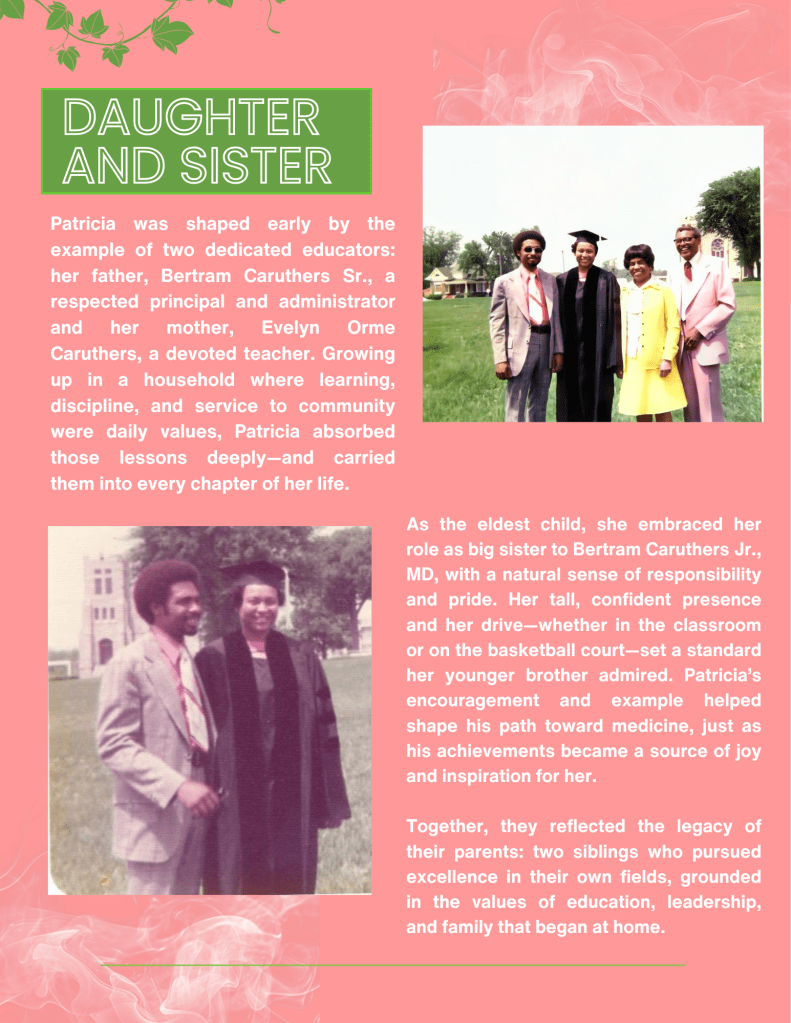
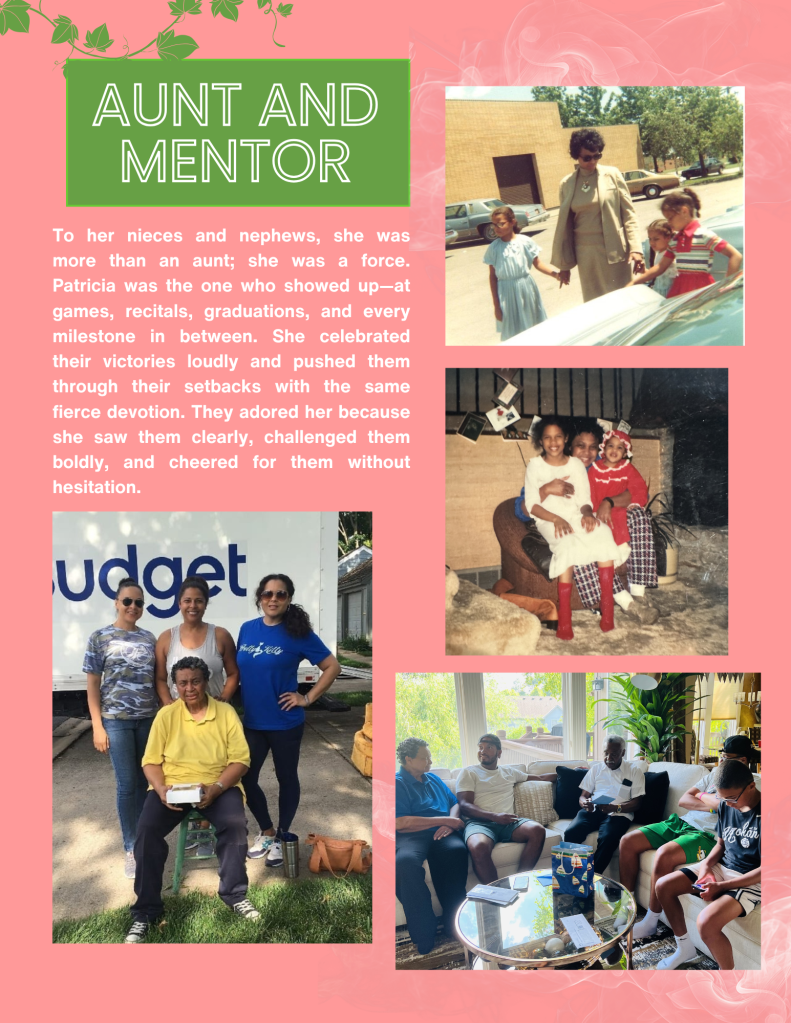
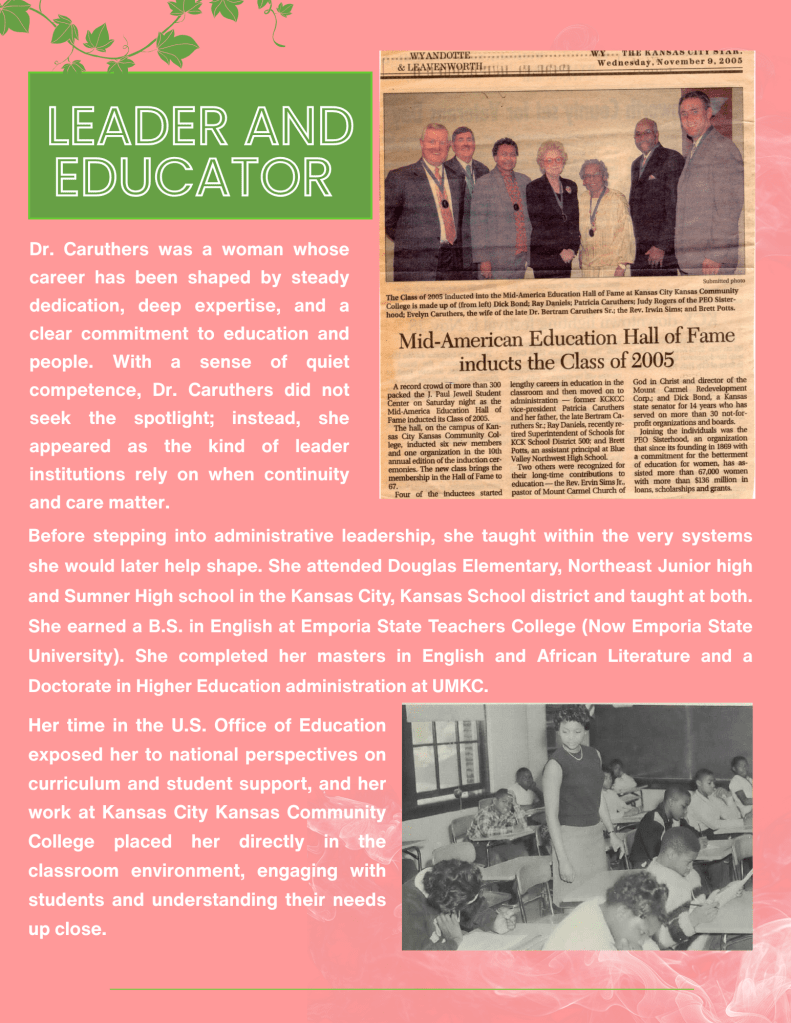
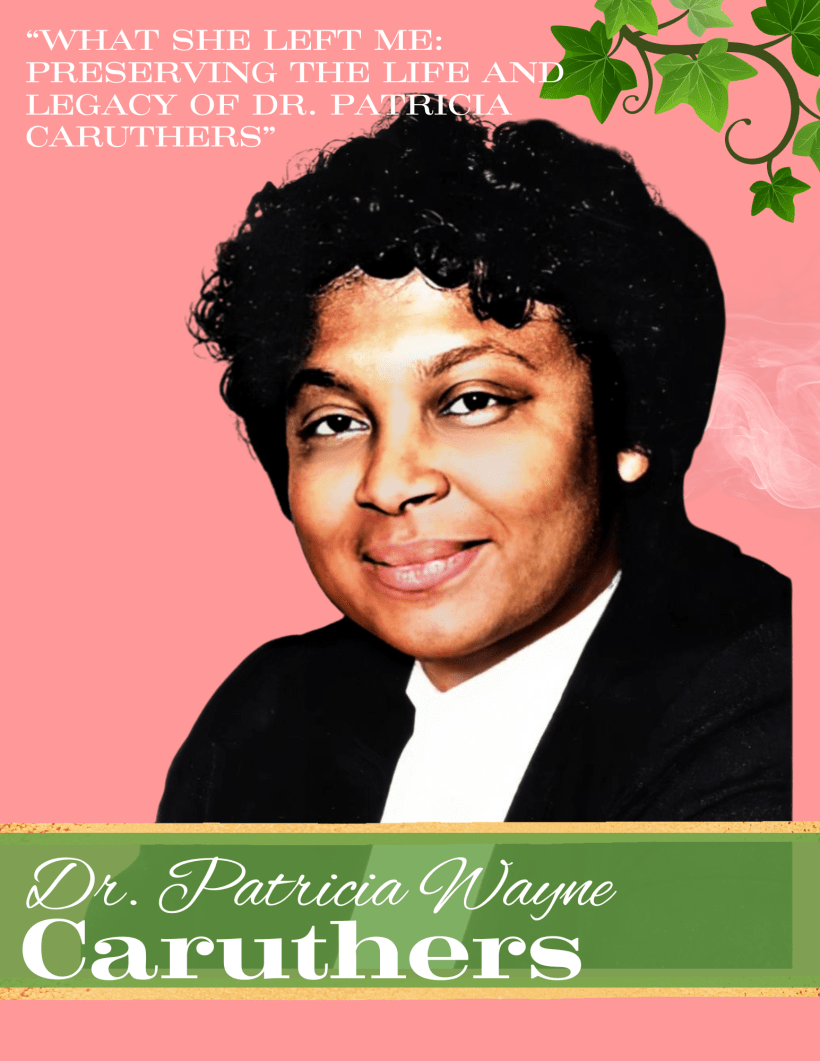
Preserving the life of Dr. Patricia Caruthers
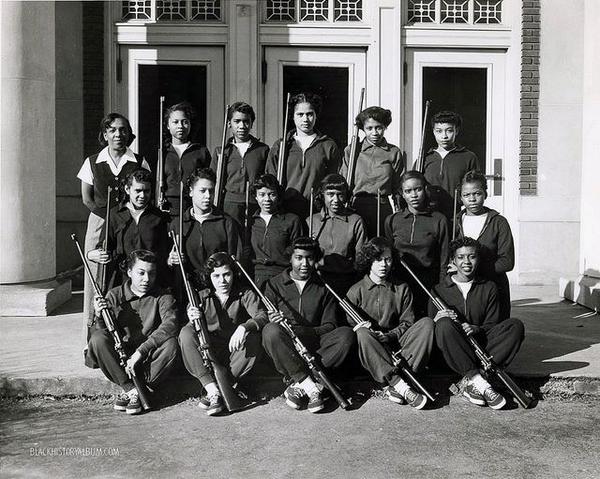
Black Women Gun owners

I recently joined the NAAGA (National African-American Gun Association) amid the social climate of the summer of 2020. I was previously a member of the NRA during the Bush years. I dropped my membership after increasing concerns that the NRA was silent on many issues when it came to gun ownership rights for Black gun owners. I was pleasantly surprised to find this organization. African-American women make up 60% of the organizations membership which is an outstanding number. Throughout this article I collected some reasons why some of my Black Sisters own or carry a firearm (Coolidge).
“I have a .380 but I do not have a CCW. I am working to get one so I do not carry often only when I am alone driving.”
Qzonna-Arlington, TX
So I was curious. What drives Black women to own and carry firearms? Am I one of a few Black women that own a gun? My initial gun purchase was to protect myself at home against a disgruntled employee I terminated. I took two classes to prepare myself but hadn’t touched them since 2009. In 2017 I bought my second firearm after being assaulted in Omaha by two white bigots. Probably the most scariest incident of my life. Membership to NAAGA spiked after Trump’s inauguration. The emboldeness of people to act on their bigoted views helped push those numbers. I’ve been following NAAGA’s social media pages for a few weeks and I am seeing some powerful beautiful Black women shooting, training and looking fierce while at the range! My newest She-ro is Tig Davis, founder of My Sister’s Keeper Defense, which empowers women though self defense.
“I carry and own a 9mm for protection and have a CCW”
Jackie J.
By 2017, 4 in 10 Americans say there is a firearm in their household. Broken down by race, 24% of African-Americans say they personally own a gun, compared with 36% of whites and 15% of Hispanics. A law barring the open carry of loaded firearms was passed in 1967 with the support of the NRA, after armed Black Panthers entered the California state capitol earlier that year to defend their constitutional right to bear arms. In fact, then Governor Ronald Reagan, commented that he saw “no reason why on the street today a citizen should be carrying loaded weapons.” The US has a history of supporting the 2nd amendment except in the case of Black folks. We need to change that narrative to one where it is not alarming or a threat to see a Black man or woman carrying a gun in public. I’m not interested in resurrecting the Black Panther tactics, but I am interested in exercising my rights to carry in public as a Black woman without fear of retribution.
“Everyday carry rotates between Springfield XDS 9mm, Kimber Crimson Carry Micro .380, S&W M&P 9mm, Springfield Hellcat 9mm or a Ruger LCP .380. I have a CCW and carry for travel long distances and for personal protection.”
Jacquelyn-Ohio
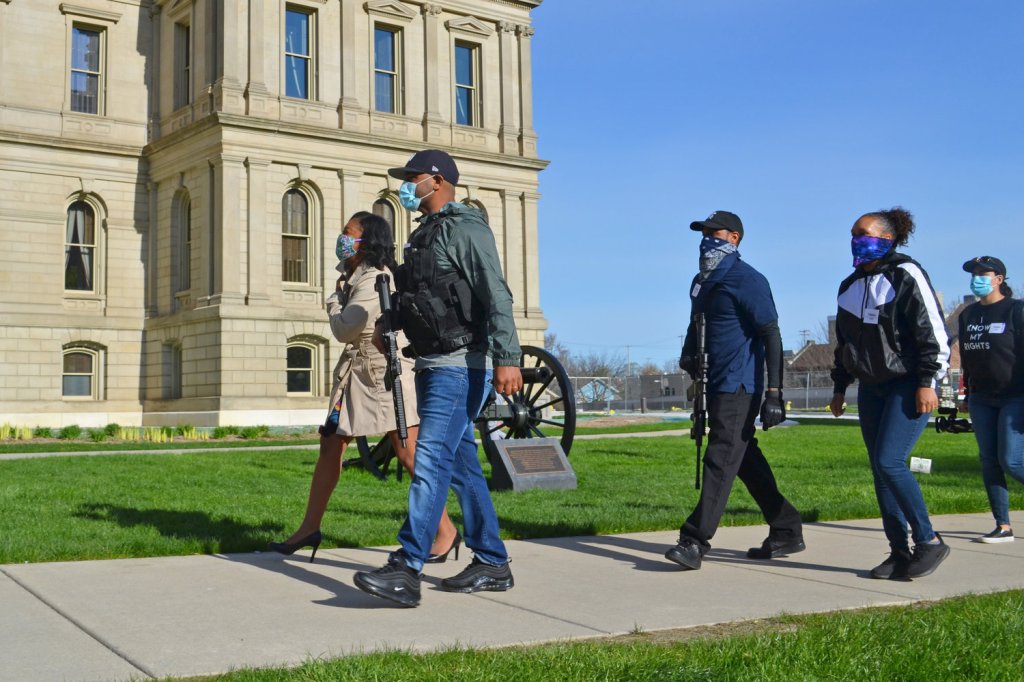
When it comes to politics more Republicans own guns than Democrats. 95% of Republicans say the right to own guns is essential to their freedom as opposed to 29% of Democrats. We know the majority (80%) of African-Americans vote Democrat with racism and civil rights at the core of their beliefs. So why isn’t gun ownership part of that makeup? When it comes to civil rights, gun laws have been enacted to control a class of people, mainly Black and Indigenous Peoples.
All of these laws sought to prohibit Blacks from gun ownership to make them defenseless. The local police refused to give Martin Luther King Jr. a gun permit to protect himself even though it is a constitutional right. The Black Panthers knew and exercised their rights to open carry. So did the Deacons for Defense, a self defense group founded in Louisiana during the Civil Rights movement. Members knew they had a fundamental right to carry arms to protect their families and Civil Rights workers in 1964. I challenge every Black man and woman, to own a gun and at minimum if you are not comfortable, know how to use one if needed. I personally think we are progressive enough to not let this responsibility fall on our husbands and fathers. We can’t always have a Derrick Brown nearby. (You remember… the Black dude that protected the pregnant sista in the Walmart parking lot!) Umm hmm….
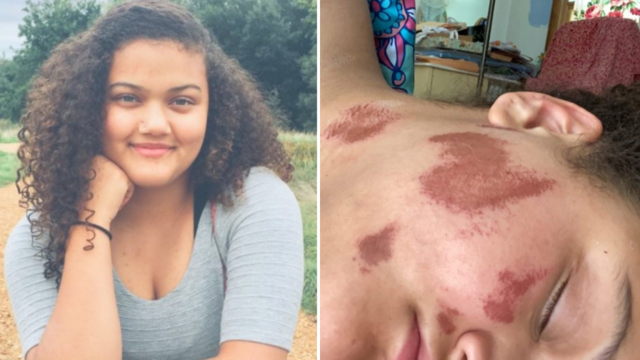
And most recently, a biracial woman named Althea Bernstein was targeted by a group of white men who threw lighter fluid on her and set her on fire while screaming a racial slur at her. She was alone with no protection.
“I carry a .380 handgun to protect myself and daughter from predators”
Tonya-Kansas City
Hate crimes are on the rise over the last 3 years and Black women are the target including myself. I have felt the pulse of my city and it no longer represents a welcoming place for women of color. The amount of anxiety that Black women are feeling is at an all time high. Even my own local Kansas City, KS police department has long time issues with police officers exerting their position to sexually assault poor Black women including former KCK resident Rosie McIntyre.
Look, Killer Mike is right. Black people should own guns. Black Women should own guns. Gun ownership is integral to securing our equality. Not just racial but gender. Gun ownership is also an integral part of a Black womans personal defense. Anyone that has been a victim of domestic violence should own a gun and learn how to protect themselves. Any woman that wants to protect their home or business should own a firearm. Ladies let’s get out of the mindset that gun ownership is not for us. Single Black women are the fastest growing demographic of gun ownership. Let’s continue the trend. Get informed and get trained locally by an expert before you buy. Find the right one for you and visit the range often.
For more information on training visit the training page at NAAGA.
*All quotes are from African-American Women who carry. Shout out to boss babe Jacquelyn who knows her stuff! 😉
See why NAAGA is the largest African-American gun group in the US. There is also the Black Gun Owners Association that is growing in membership too.
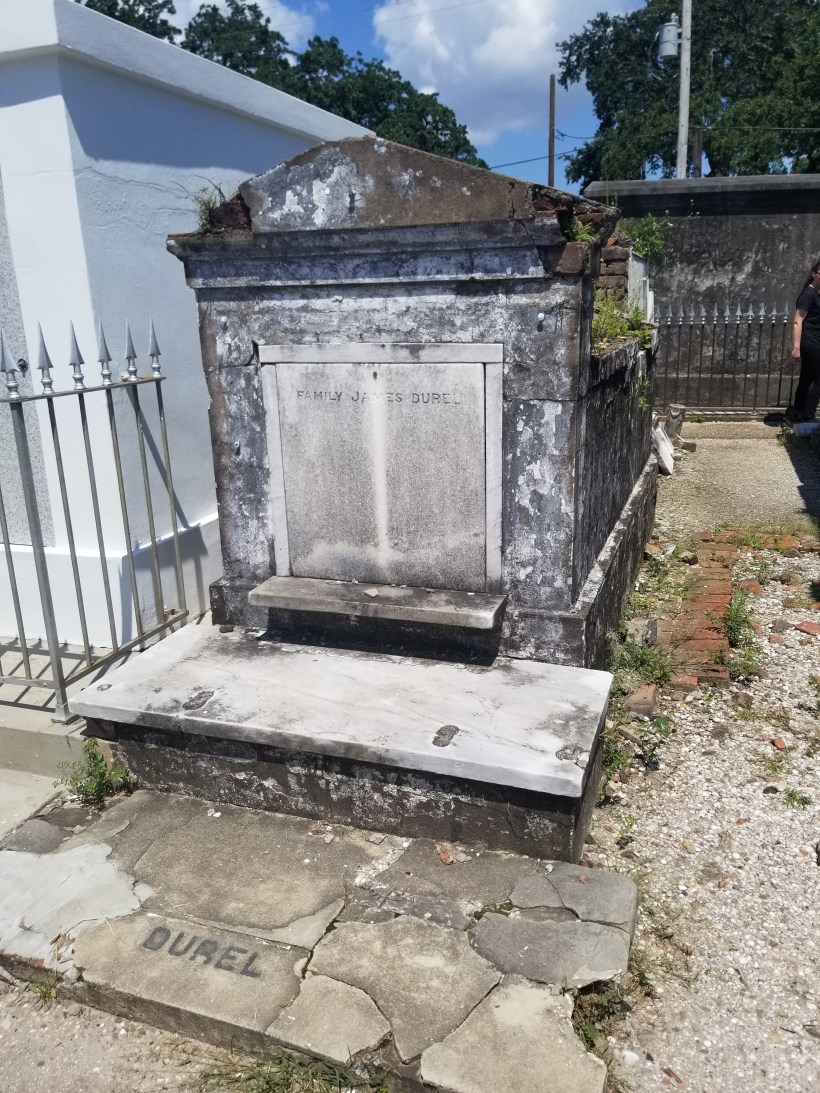
I spent this week in New Orleans, working a medical conference. I had a little time on my hands and went on a Cemetery tour. My tour guide Stella from Haunted History Tours was excellent! Not only knowledgable but enthusiastic and engaging. I learned a lot about all those spooky above ground. One of the first things you notice when arriving to New Orleans is the above ground tombs seen off I-10 in Metairie. The cemetery I visited was St. Louis Cemetery #1, one of the oldest and most famous built in 1789.
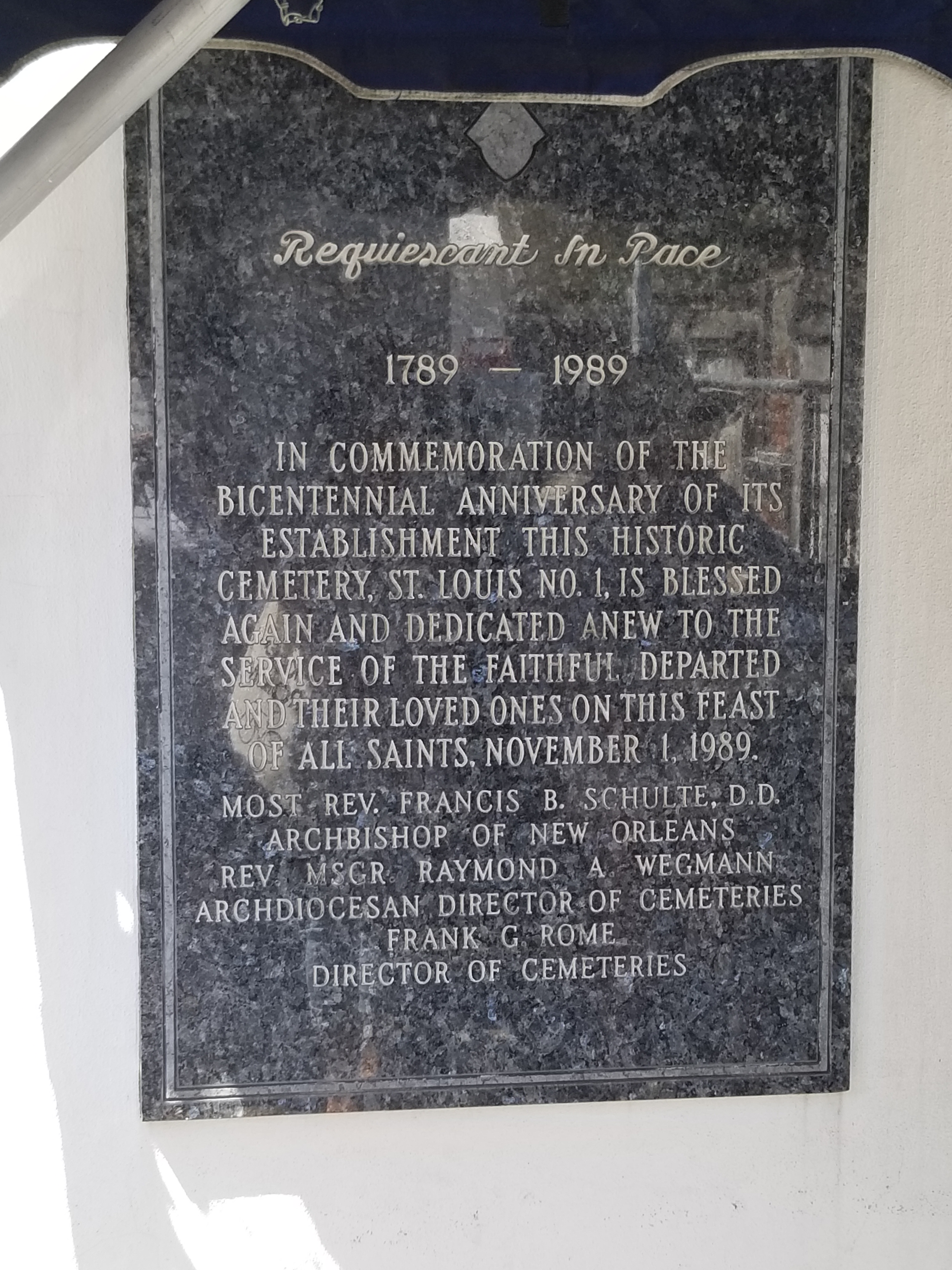 The Cemetery is one square block and is fenced in by high walls of brick, some of the portions are actually tombs itself. These walls serve as a multi-person final resting place, not necessarily a family tomb or Society.
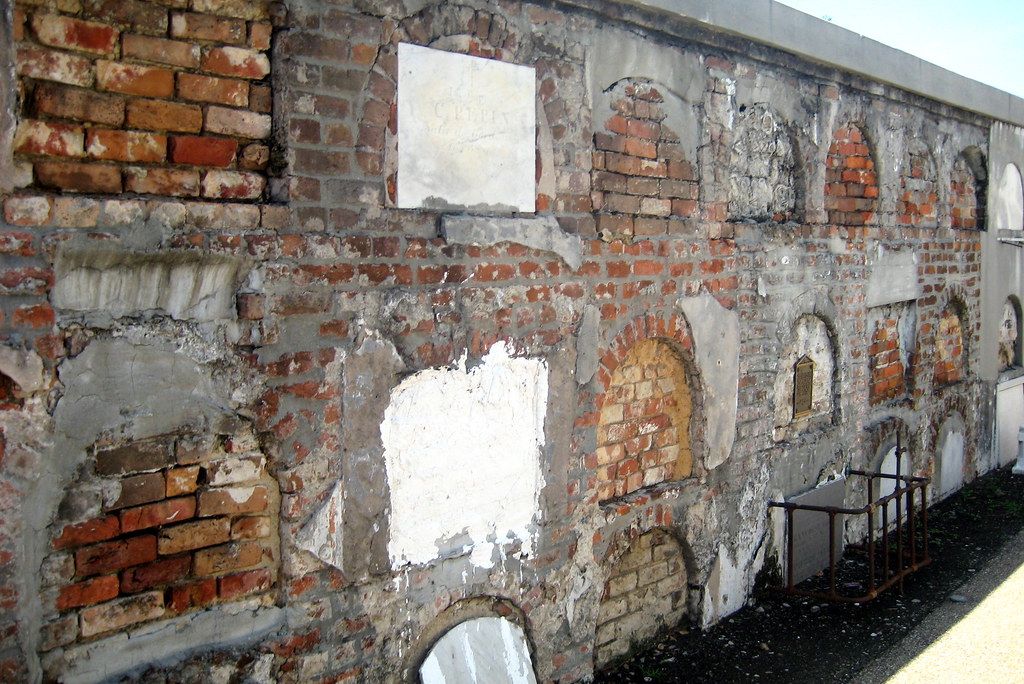
St. Louis Cemetery #1 is truly a little city. The monuments and tombs wind around in intricate pathways. Many burial sites are crumbled and falling apart. These generally do not have living family members that take care of the tombs. Those that are have a placard that reads “perpetual care” at the foot. These are tombs that have a trust that goes toward upkeep.
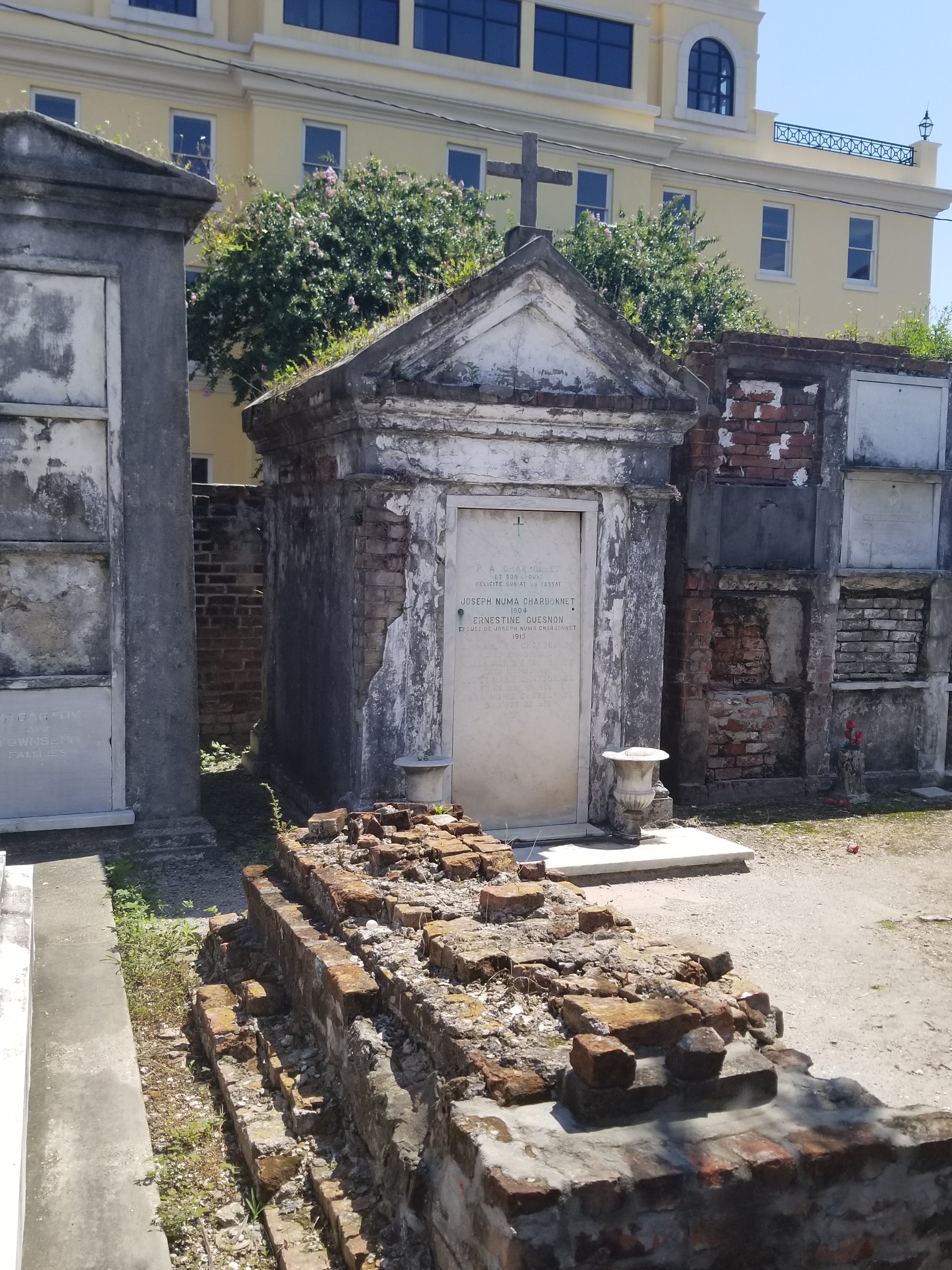
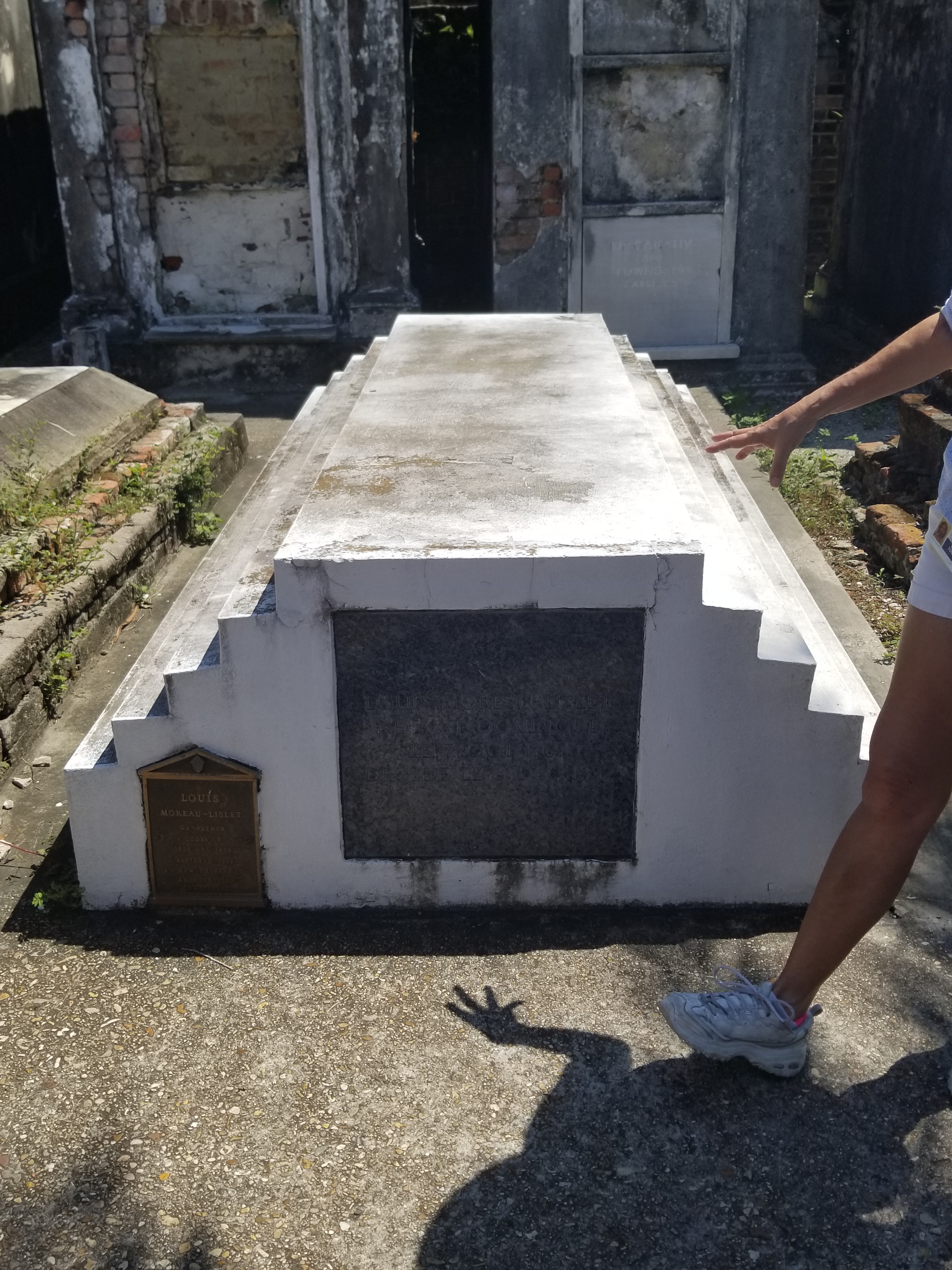
The above ground tombs come in a variety of designs. Some are flat and are only one small step above ground similar to copings or ledger tombs. Some are step tombs like the one below. Then, we have the ones that look like miniature houses.
Burying the dead in New Orleans proved to be a problem that the first European inhabitants faced. The city of New Orleans is below sea level. When European settlers put coffins under six feet of earth, they found that the water level would often rise above them. Since the coffins were filled with air. The water sometimes pushed them up through the earth which caused caskets and bodies to pop up in the most unexpected places. They attempted to solve this by drilling holes into the caskets and weighting them down with rocks however, this caused decayed rotten bodies to seep into the earth and added to the already putrid smell of the city. The solution was Wall Vaults or Oven Vaults.
Because of the sea level in New Orleans Vaults or “Oven Vaults” were approved by the Spanish Government. St. Louis Cemetery #1 was built when St. Peter’s Street cemetery ran out of room and is the first approved above ground cemetery in the city. The land was consecrated by the Catholic Church. It is important to note that everyone no matter their race were buried in St. Peter’s cemetery because Catholicism was the only religion allowed in the city in the early 1700’s.
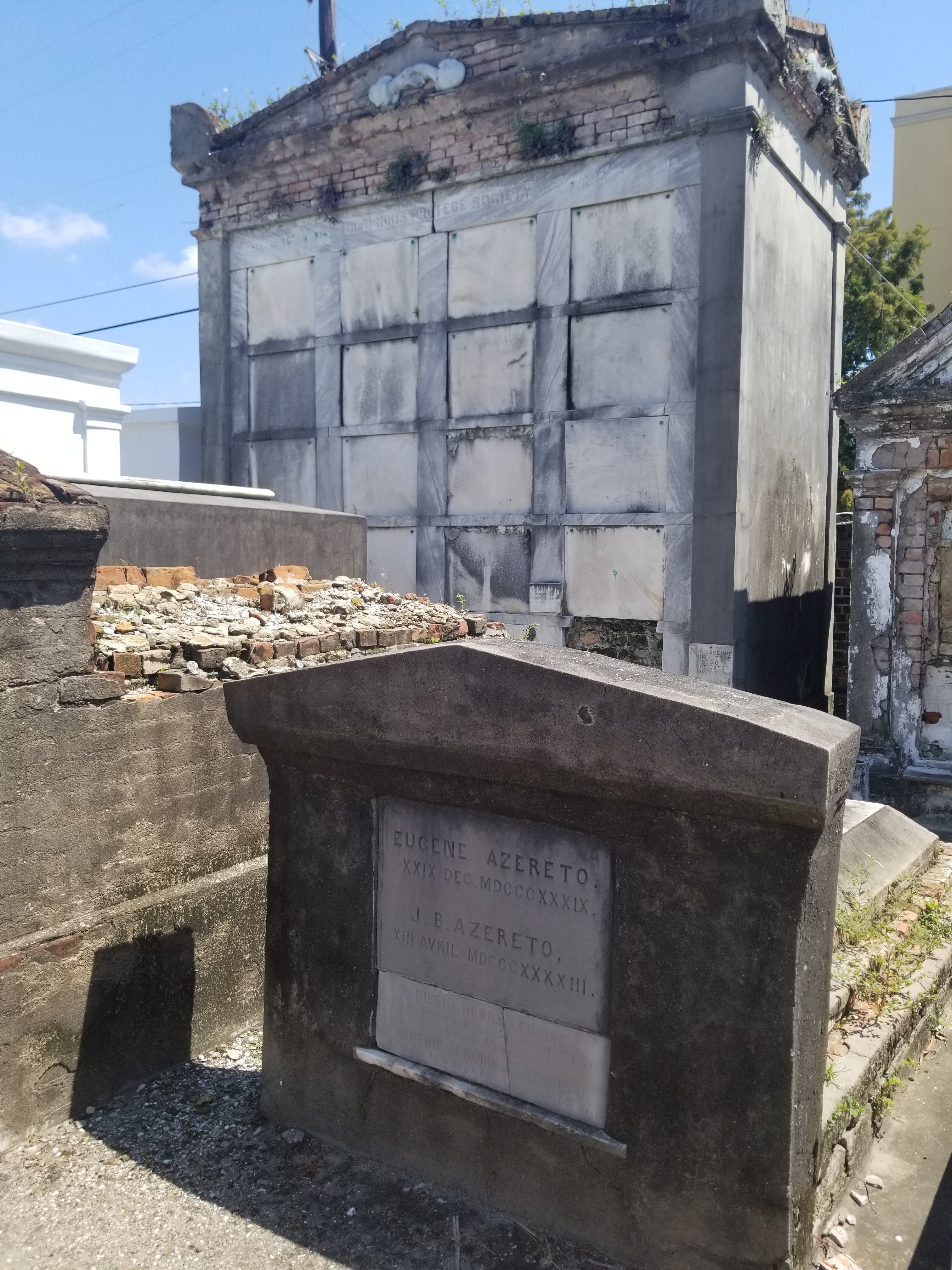
Above- small oven vault in front and a larger “Society” Vault in the back. Most vaults were for generations of family members. If you didn’t have one established for you family, you could “buy” a spot in a society.
The vaults are called oven vaults because of the subtropical climate in New Orleans. Made of granite or marble once a body is encased it takes just a few months for a body to break down and basically cremate itself. After a year mostly bones are left. The surprise that I found was that once the bones are broken down, they are pushed to the back of the vault toward a chute. The debris falls through the chute in a caveau or “cave” underneath. This makes room for the next person that passes away. Each vault could house generations of family members, who’s ashes are then mixed together underneath. Most family tombs have the family name listed at the top and the names are listed on a plaque or ledger on the front in descending date of death. Once you run out of room on the plaque, it is moved and fastened to the side of the vault and a new one is affixed to the front. Most have a screw or bolt that can be removed for the next body.
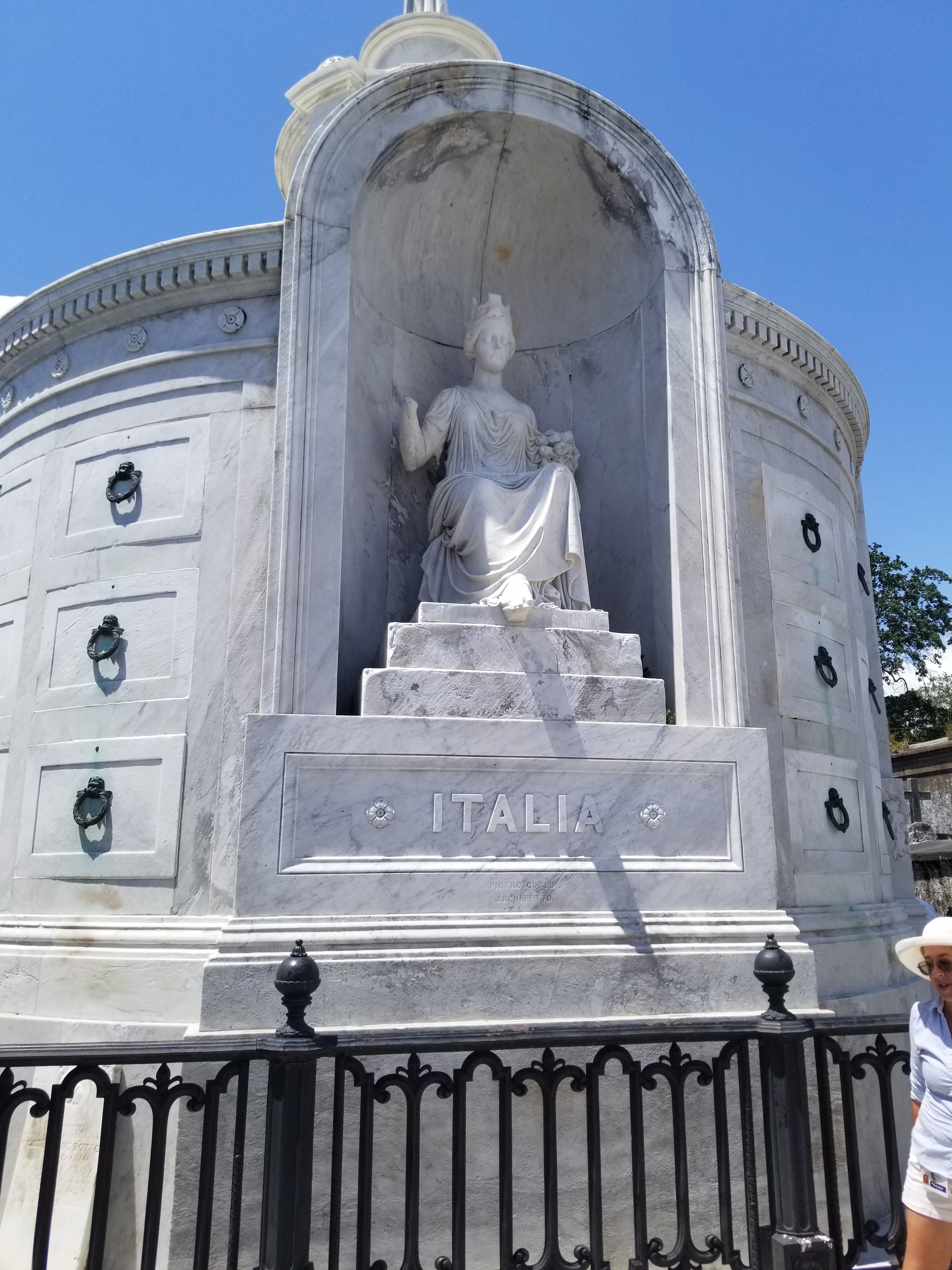
Of course the main reason I went on the tour was to see if any creepy things would happen. No such luck! It was a pretty easy tour without event. Homer Plessey, is interred at St. Louis #1. He was a fair skinned Black Haitian whose parents fled from Haiti during the revolution. and of course the Voodoo Queen herself, Marie Laveau. If you are ever in the Big Easy, be sure to book some of the walking tours that take you through the French Quarter. You won’t be disappointed, especially if you have a great guide that really knows the city.


William August “Bill” Wilson is one of the few physicians in my family. I met him two years ago when I traveled to Block Island, Rhode Island to meet and interview him for our Orme family history. There were a few gaps in my research and I was hoping he would be able to shed some light on this branch of our tree. Block Island is a quaint little island right off the coast of the state. A high-speed ferry takes you back and forth. Once on the island you have the option of renting bikes or walking through the main town.
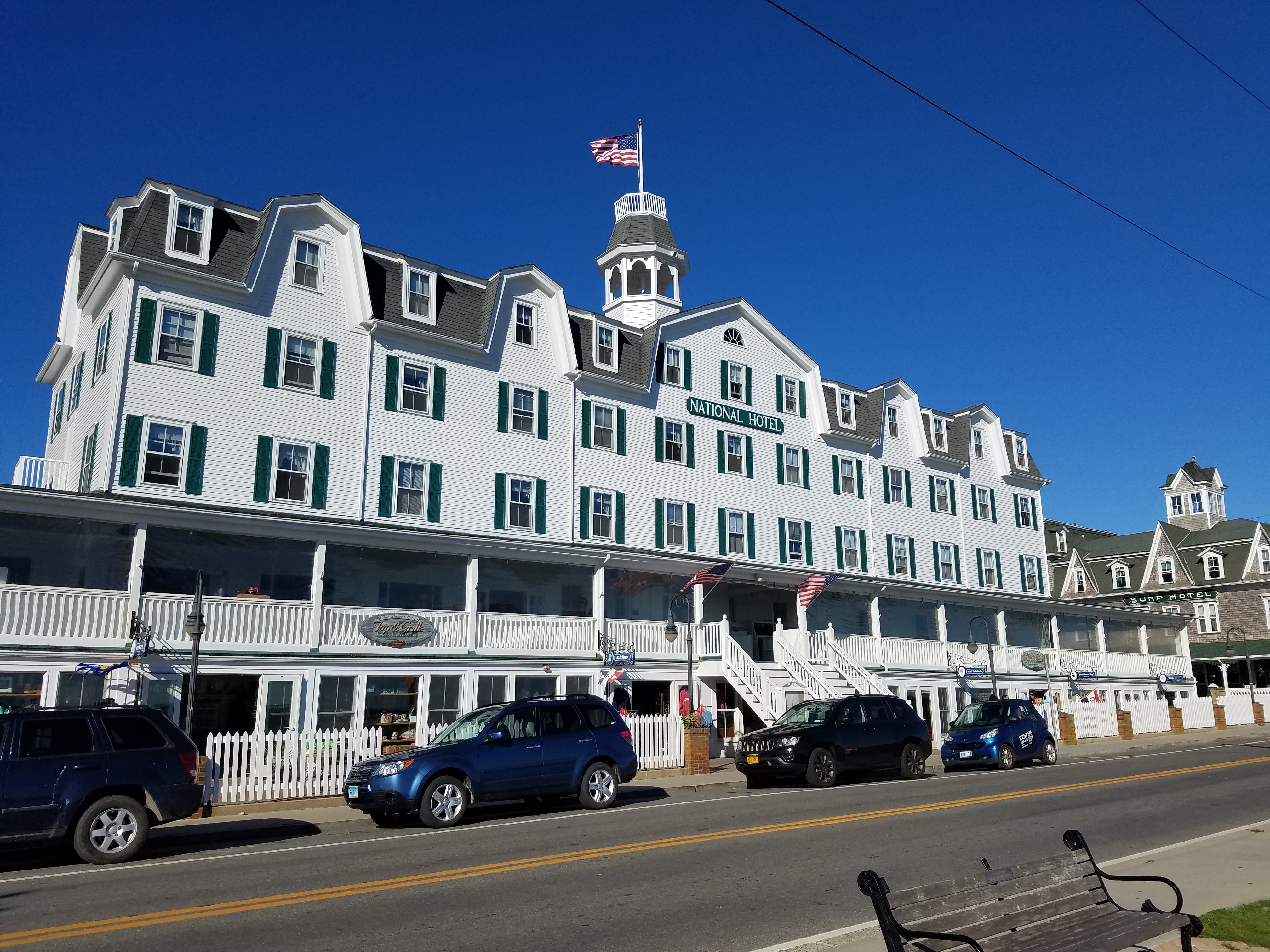
Bill’s son Willy who is a New York attorney, picked me up from the National Hotel where I was staying. The hotel was adorable. I wasn’t prepared for the hotel not having elevators or air conditioning (they turn off the air the last week of September) but it was a charming New England gem.
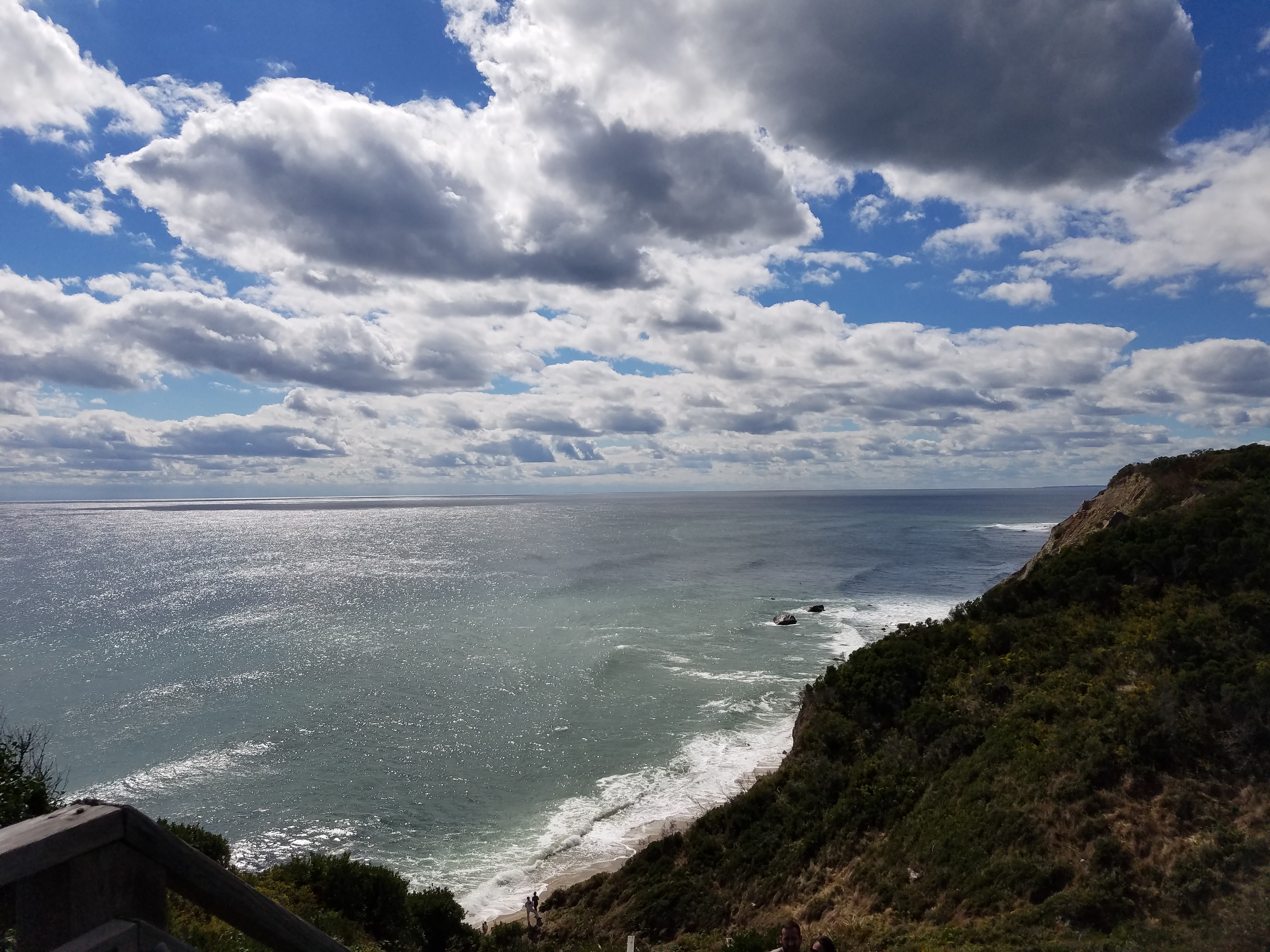
Willy was the ultimate tour guide of Block Island. We went to the Mohegan Bluffs a beautiful beach where people were still surfing despite the fact the it was well past Labor Day.
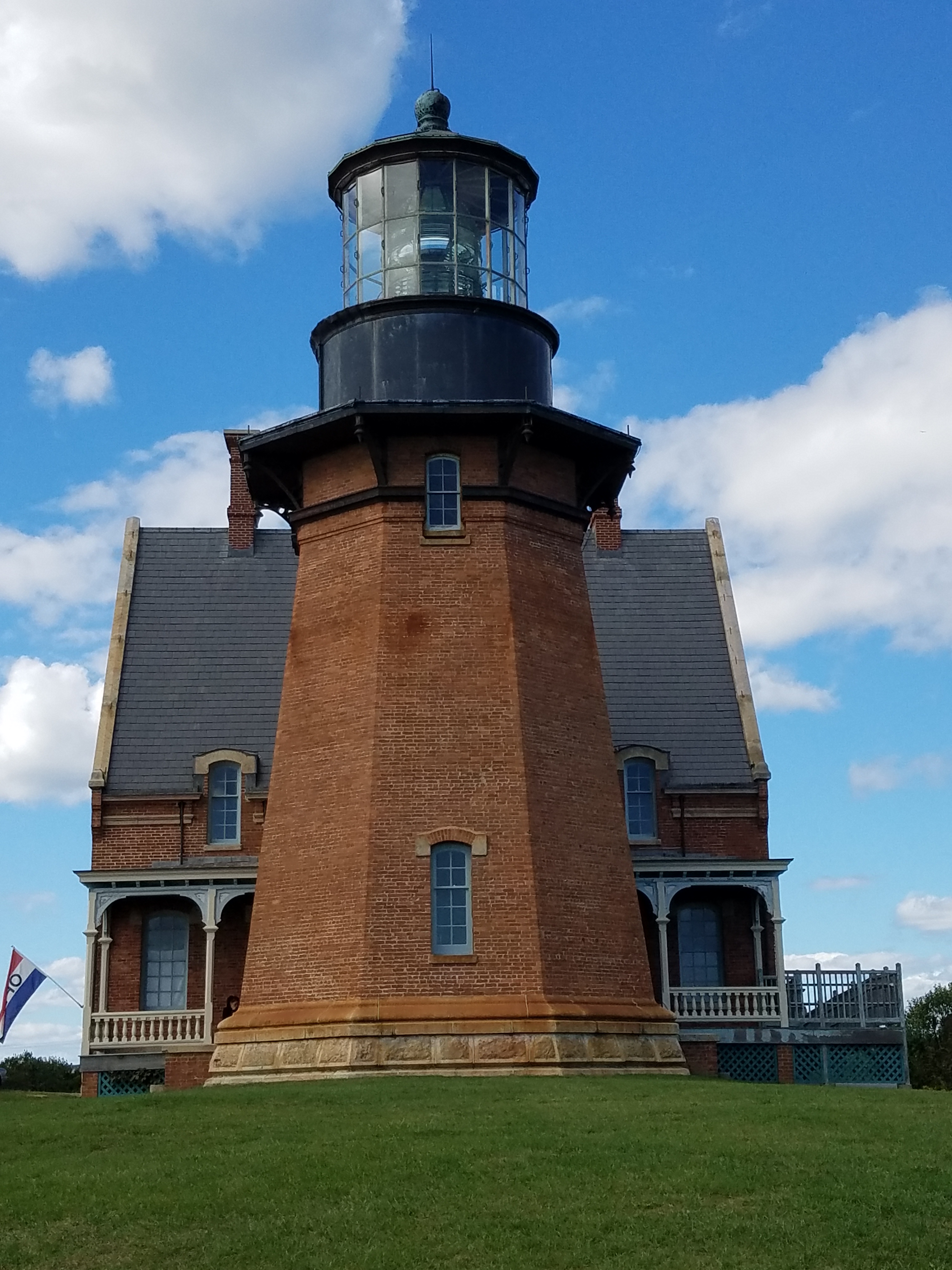
We also stopped at the Block Island Southeast lighthouse which is listed the National Historic Landmark
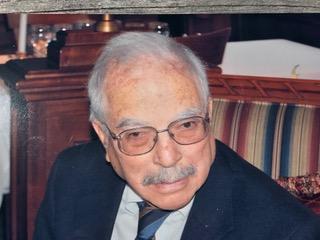
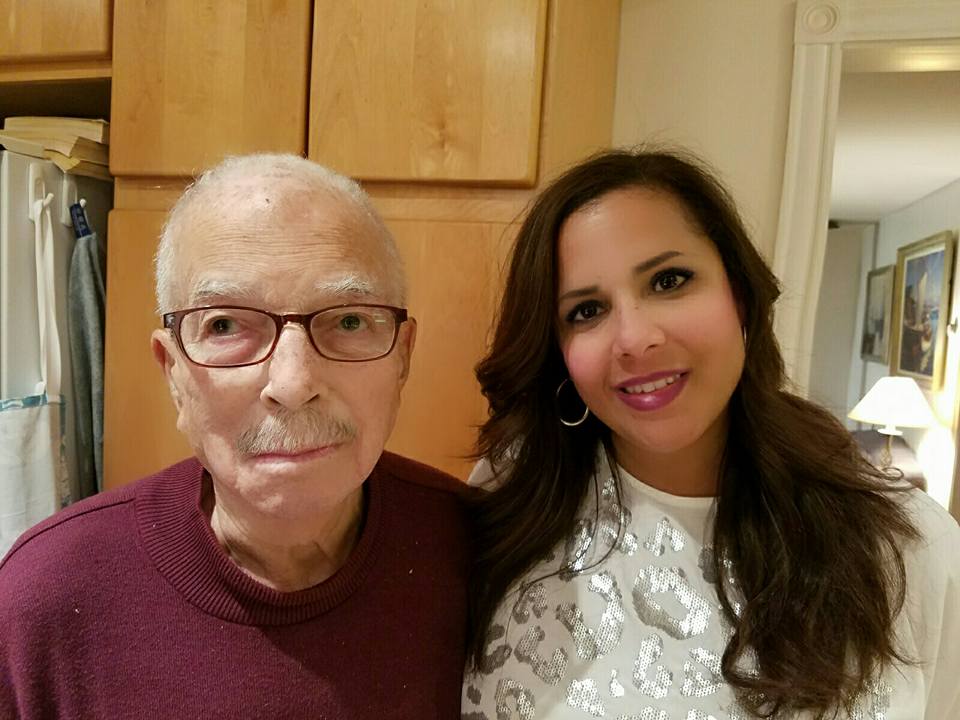
We finally wound our way around the island to Bill and Martha’s house. They bought the house in 1978 and eventually retired there. Bill and Martha were waiting on us. I could see Bill’s standing at the door. One of the first things I noticed about my 2nd cousin was he was a small quiet man. Bill at this time was 92 years old standing just 5′ 6″ at best. He had a burgundy sweater on and very sturdy tennis shoes. I would sit with Bill, his wife Martha and son Willie for the next few hours and attempt to capture this man’s entire life.
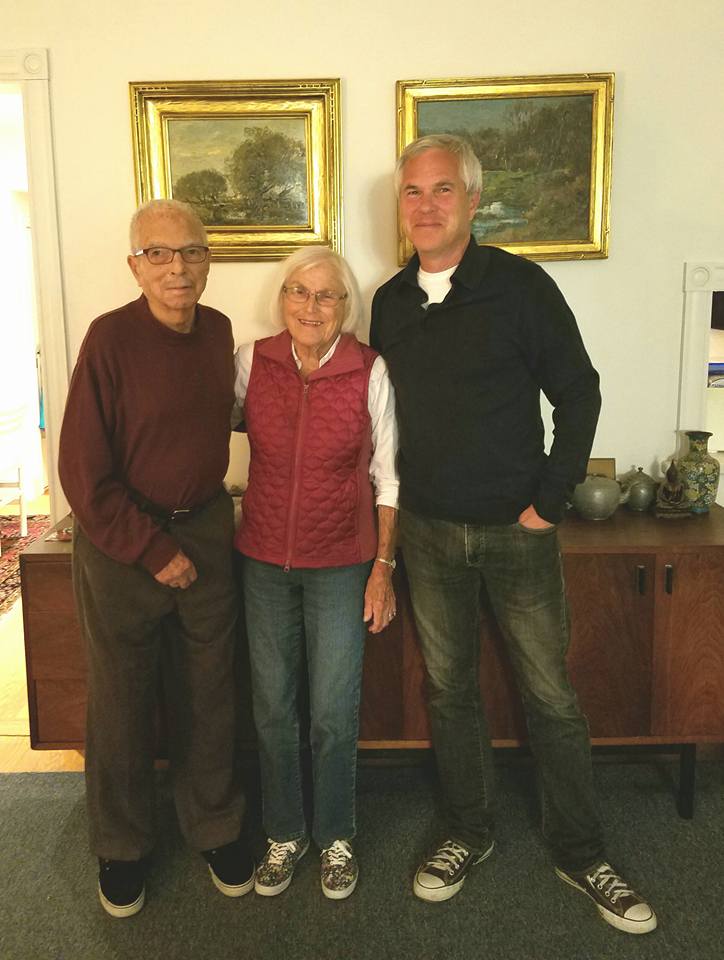
Bill comes from a branch of the Orme family that for some reason, became separated sometime after 1950. No one in my family knew of him, let alone that he became one of few people of color to graduate from an East Coast medical school. He also shares the middle name August with many other Orme’s including a few Augusta’s on his mother side of the tree.
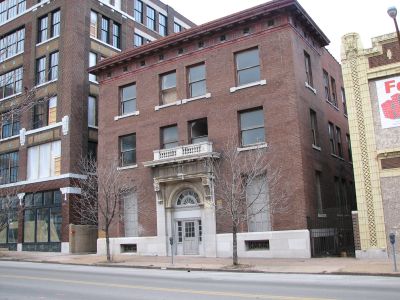
Bill was born in St. Louis, Missouri to William August “Gus” Wilson and Hallie Burles Wilson on July 3, 1924. Bill was born in the People’s Hospital by C-Section. The People’s Hospital was opened in 1894 as Provident and eventually changed names to People’s in 1918. It was one of three hospitals in St. Louis that served African-Americans. It still stands today although in disrepair.
Bill’s parents were people of mixed race, William Wilson Sr’s. mother was my Great-Grand Aunt Mary Josephine Orme from Linn, Mo. William Sr’s father was to Bill’s estimation an unknown local white farmer. Mary Josephine was married to a man named Ben Wilson. At this time no one can explain who Gus’ father was but this revelation explains the difference in color between Gus and his other nine siblings. Gus completed the 8th grade and eventually would serve during WWI in a colored troop. Bill’s family would move to St. Louis around 1916 and his father Gus cleaned cars and was an occasional chauffeur.
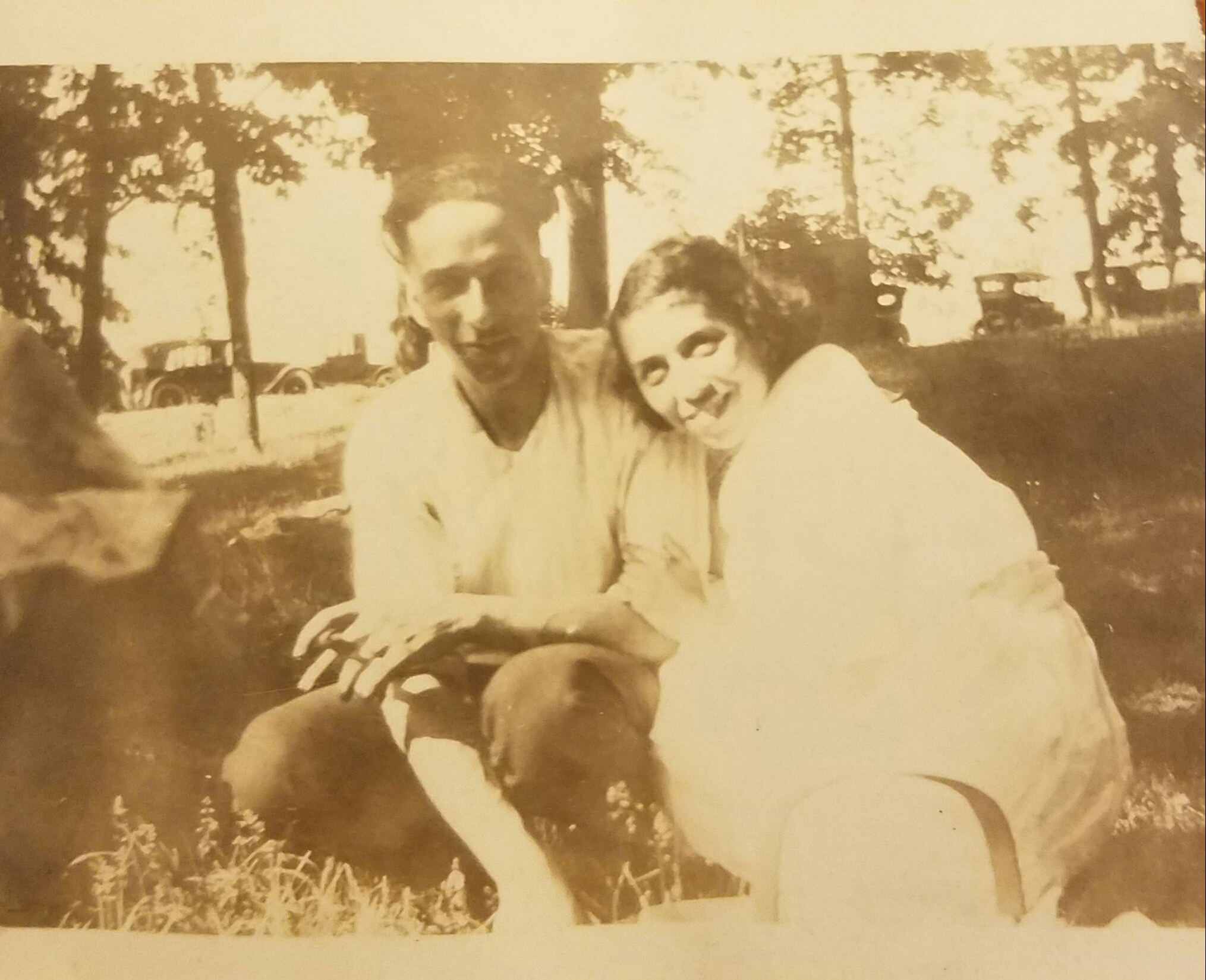
His younger brother Halleck “Hal” was also born in St. Louis nine years later. Hal married and had 3 sons, staying in the Bay Area for the remainder of his life.
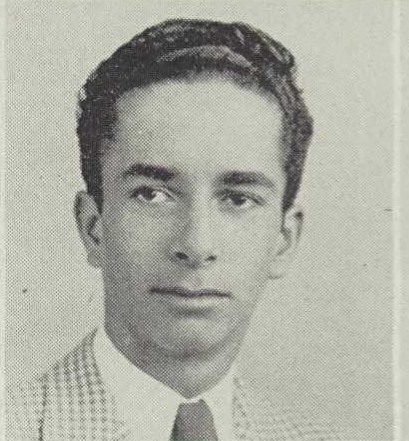
Bill was extremely intelligent and skipped several grades. He attended Sumner High school in St. Louis. Sumner was the first high school for African-Americans west of the Mississippi river. Bill graduated high school in three years at the age of 14 completing his last year in California. By 1937 Gus was laid off and his parents decided to move to give Bill a better opportunity. They followed another Orme cousin, Walter Orme to Oakland. Bill was 15 when he started college, graduating from the University of California, Berkeley, with a degree in psychology at the age of 19.
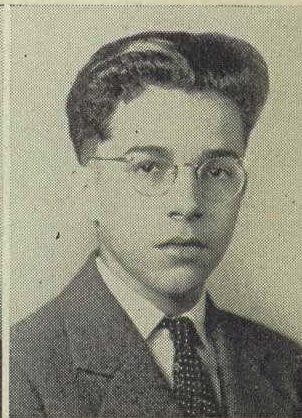
Bill stayed at home for 2 more years. When the WWII started he moved into a co-op and enlisted in the Reserve Corps. He started active duty on March 11, 1943 in the U.S. Army. He did his basic training at Camp Joseph Robinson in Little Rock, Arkansas. After training as a replacement specialist, he was sent overseas and traveled through Northern Ireland, England, France and finally Germany. He was serving in France when the Atom Bomb was dropped. He also visited a Japanese internment camp and was depressed by what he saw.
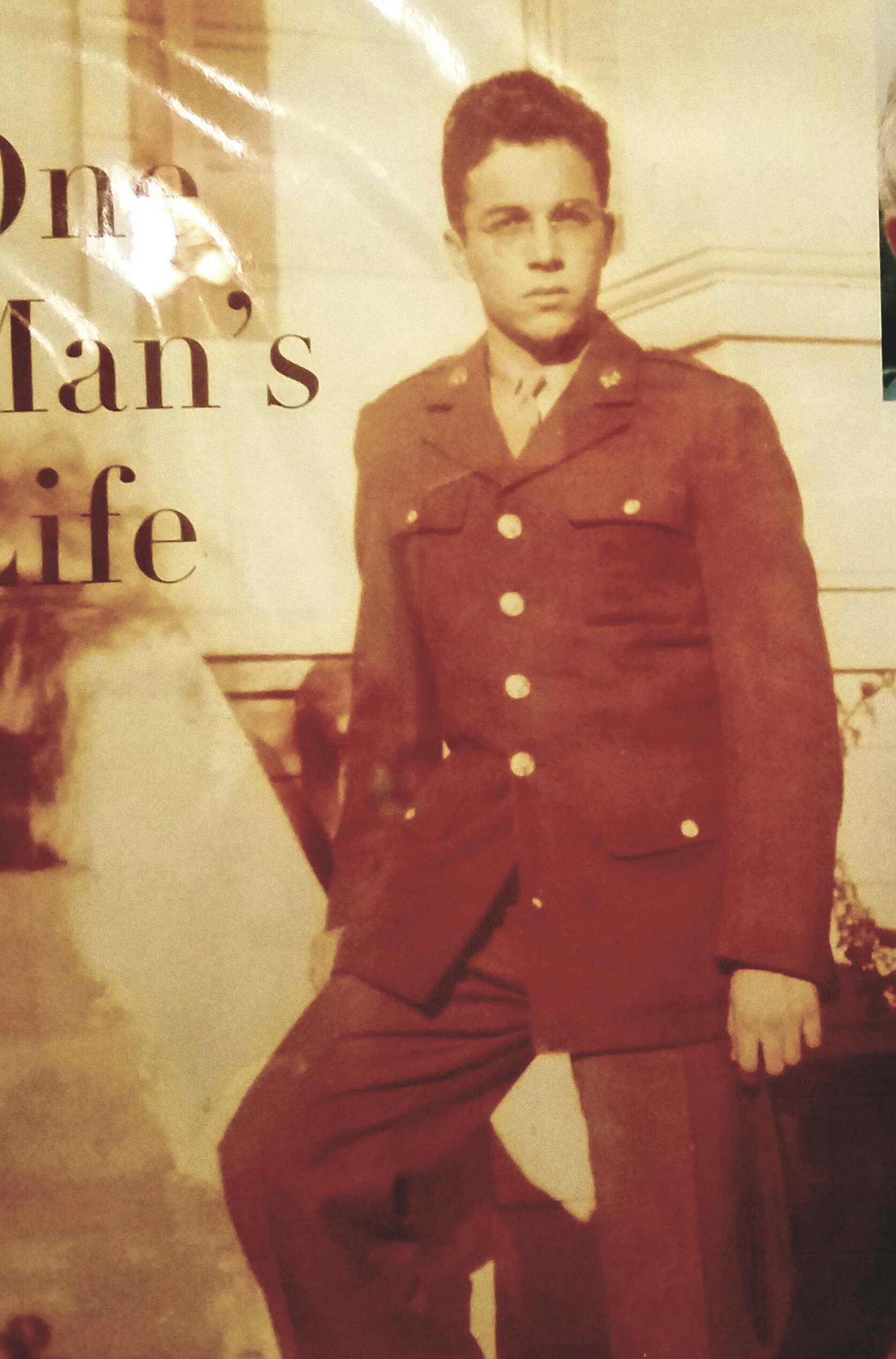
After the war Bill attended graduate school and applied for Medical School at Yale University ion Hartford, Connecticut. He worked in a lab and there he met his wife Martha Alice Nelson. They married September 27th, 1954 despite her families reluctance to accept their future son-in-law’s African lineage. Over time once Bill and Martha had children Martha’s parents came around. They had four children, Caroline, Harold, William III and Cathy.
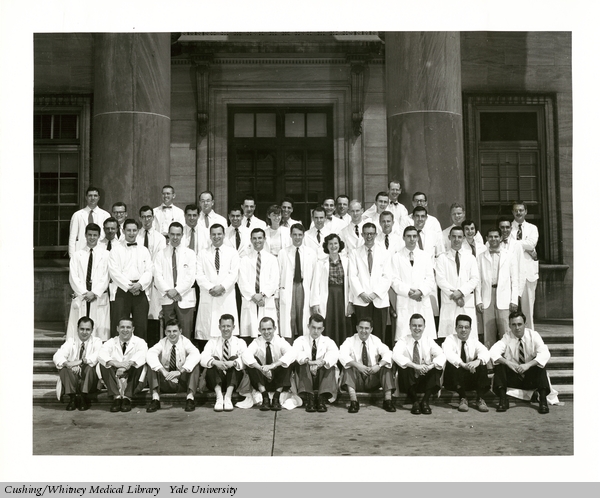
In 1953 Bill graduated from Yale Medical with an MD-PhD degree, making him the first African-American to earn dual doctorates. He was certainly a pioneer in medicine and science as one of the few people of African descent to graduate from Yale Medical School during the first half of the century. Bill was also one of the few persons of color at the height of his career to work in neuroscience. Bill also had a long and successful academic career as a biopsychologist that included positions at the University of Colorado, Boulder; Bryn Mawr College; and the University of Connecticut. He served in a number of administrative posts while also engaged in research and teaching. He was an editor of the major journal in his field, the Journal of Comparative and Physiological Psychology, and was a member of a National Institutes of Heath grant-review study section. Most of Bill’s research dealt with brain/behavior relationships. That is, which brain structures involve learning, memory and perception.
I really enjoyed my time with the Wilson’s and was saddened to receive a message in May 2017 that Bill had passed away. I certainly don’t believe that I have given is entire career justice but this was just a small snippet of what we do know of the Wilson-Orme Family branch.
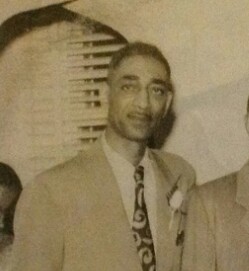
When Clarence Bernard Orme Sr. was born on April 3, 1899, his father, Paul Orme, was 23 and his mother, Mary Walker, was 19. He married Agnes Franklin on May 14, 1921, but this marriage was short-lived. He then married Gillia Amelia Bannister and they had three children together: Clarence Jr, Mary and Kenneth.
Clarence Orme was my Great uncle and the oldest brother of my grandmother, Evelyn Orme Caruthers. Uncle Clarence died before I was born and I have vague memories of my grandmother talking about him. It wasn’t until a few years ago I discovered that he had an interesting legacy with a local Negro League Baseball team.
Clarence was born in Chamois, Missouri a small town about 45 minutes east of Jeff City. Chamois rests on the banks of the Missouri river and was a depot on the Missouri Pacific Railroad. The rail tracks run parallel to the river from Chamois headed into St. Aubert, Missouri which is the final town the Orme family would own property in. Chamois was a “Sundown Town” and did not have a large African-American population. The last Black family to live in Chamois was in the late 1970’s. As a young boy, Clarence and his cousins would walk those railroad tracks to attend Maceo School for Colored Children, the 2nd school of its kind in Linn County, Missouri. Clarence’s parents were not married and it was difficult to locate him as a child on the US Census. I was finally able to connect him with him as “Clarence Walker” living with his grandparents. I assume his mother was too young to take care of him and his father Paul, left for job opportunities in Kansas City, Ks. After he turned 18, Clarence moved to Kansas City to be near his father and changed his last name to Orme. Back in those days you could easily change your name without having to go through a legal process.
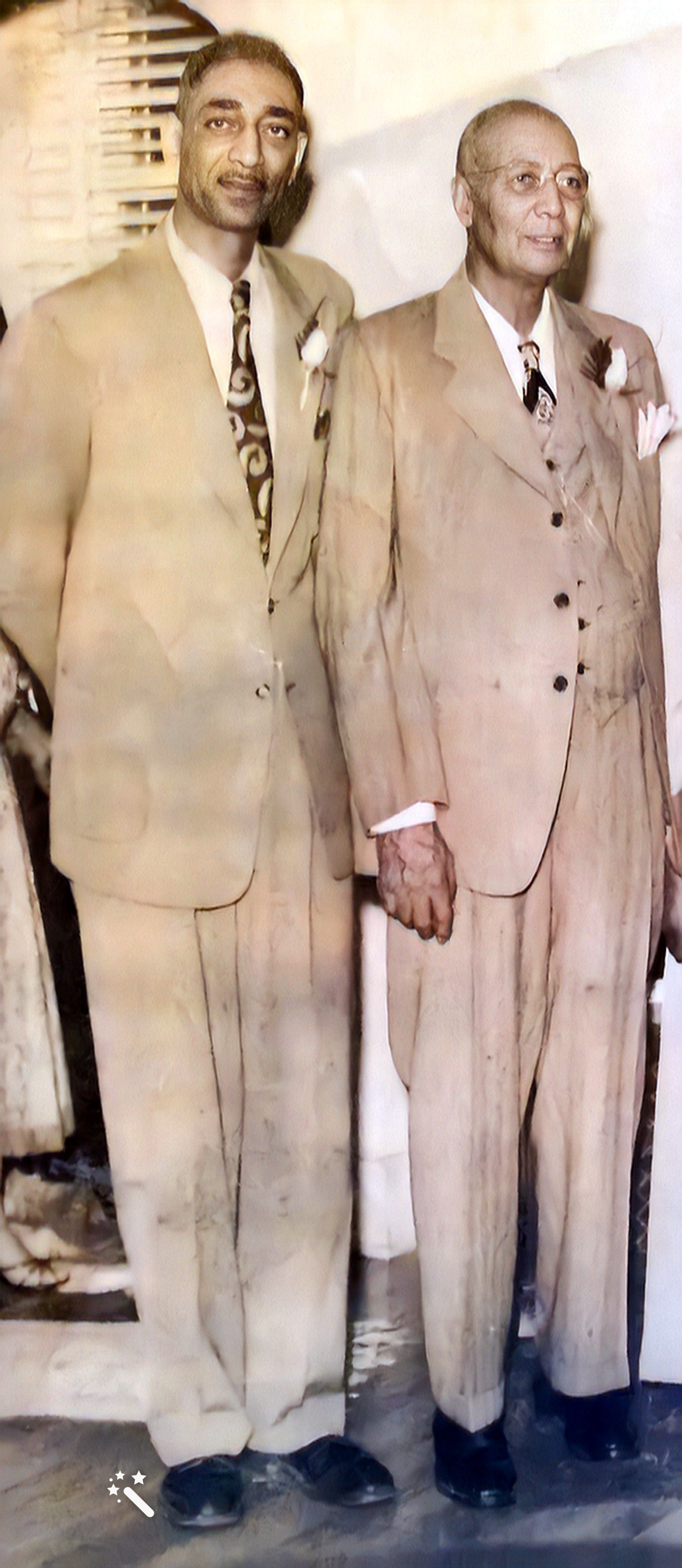
Clarence was a striking man and stood 6’6″ towering over his brothers and father Paul. Paul himself was at least 6’2. As a young girl his granddaughter Karen Orme would recall he was tall, “like a mannequin”. Clarence worked for Armour Meat Packing Company. His father Paul worked for Cudahy Meats both in the Kansas City Stockyards. His father Paul was a “knocker” and hit the animals with a large sledge-hammer knocking the bovine unconscious. In the early decades of the 20th century, the packing houses were the single largest employer of African-American laborers in Kansas City. Despite the employment Blacks and Mexicans had separate entrances into the warehouses.
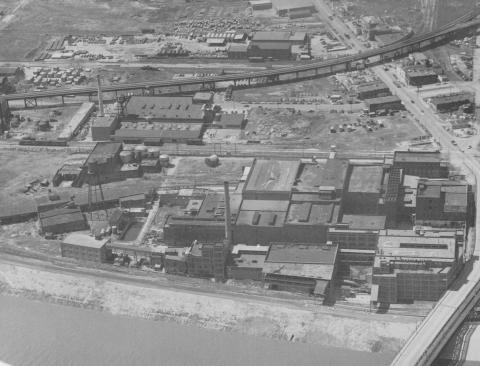
The Great Flood of 1951 closed Cudahy Meats and Armour Packing closed shortly after in 1965.
Clarence would work as a butcher for over 20 years and part-time cleaning coach cars for the railroad. But he got the most enjoyment playing baseball. As most family lore are passed down, I heard a few that Uncle Clarence played for a Negro League. Not finding anything on my own I found a website that tracked and indexed NLB players. Gary Ashwill who runs the website “Agate Type” helped uncover articles that confirmed that Uncle Clarence did indeed play baseball for local Kansas City Monarchs. Possibly as a sub in June 1920 during a 3-game series against the Cuban Stars. The below article mentions Arms as 2nd baseman.
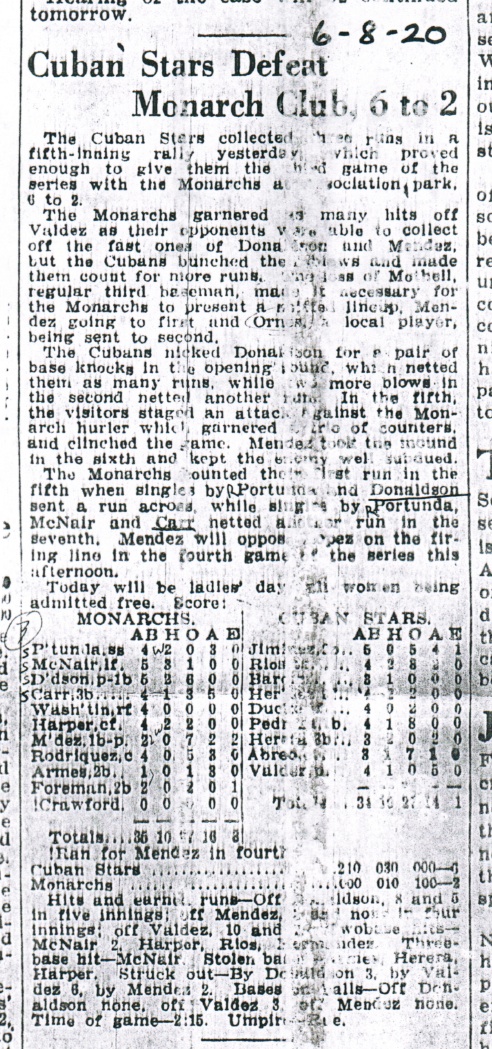
Clarence is incorrectly billed as Armes or Ornes in the series game articles. This is not surprising because the name Orme is pronounced with a brogue of some sort to sound like the word arm. I used to wonder why my Grandfather would call my Grandmother Evelyn arm! when he called for her through the house. It was confusing as a child to wonder why he would call her a body part, but now makes sense. I have also found many US censuses and archives where the name is misspelled as Arme.
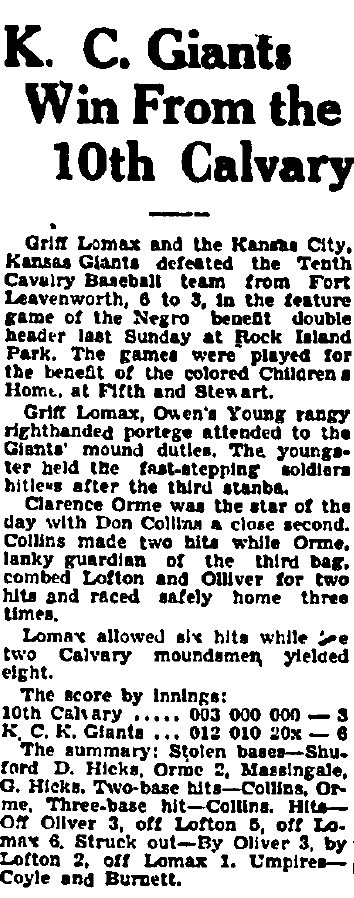
Clarence mainly played for the Kansas City, Ks Giants from 1920 to 1933. Some sites list the KC Giants as a mid level Negro league that was active from 1909-1911. Not to be confused with the Royal Giants, another Kansas City, Missouri rival team. Clarence was part of the Giants team that was rebuilt by Jack Johnson and several Topeka Giants players in the 20’s. He was sometimes paid with live chickens.
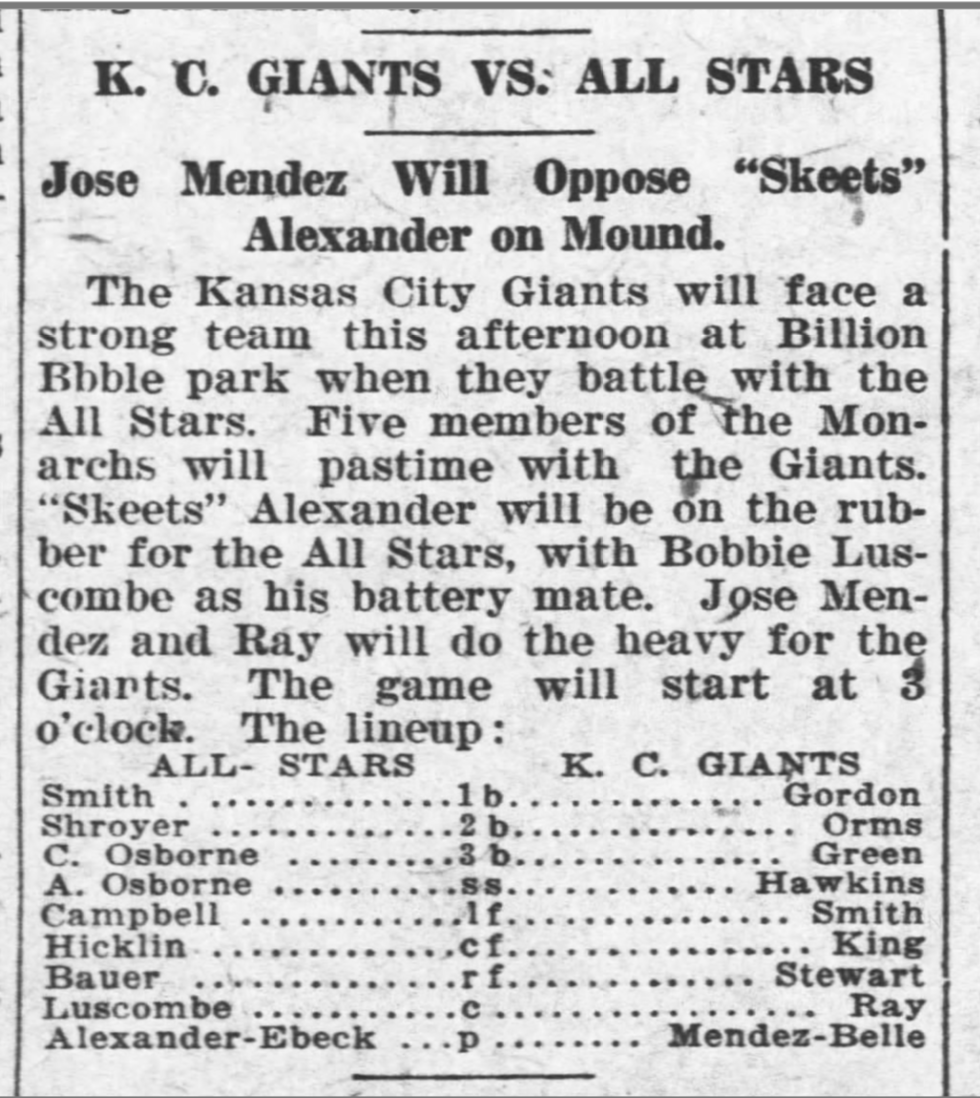
Clarence would live the rest of his life in Kansas City and eventually he suffered a stroke and would cease speaking. He died on June 12, 1968, in Kansas City, Missouri, at the age of 69.
You can find his baseball stats here although they do not currently include the KC Giants.
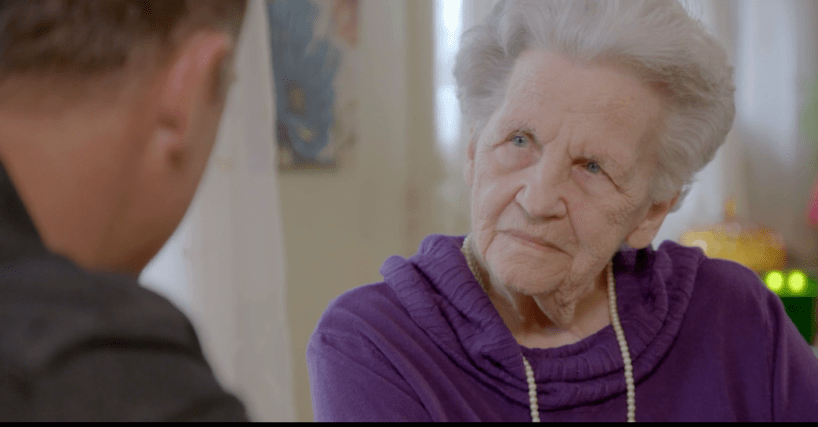
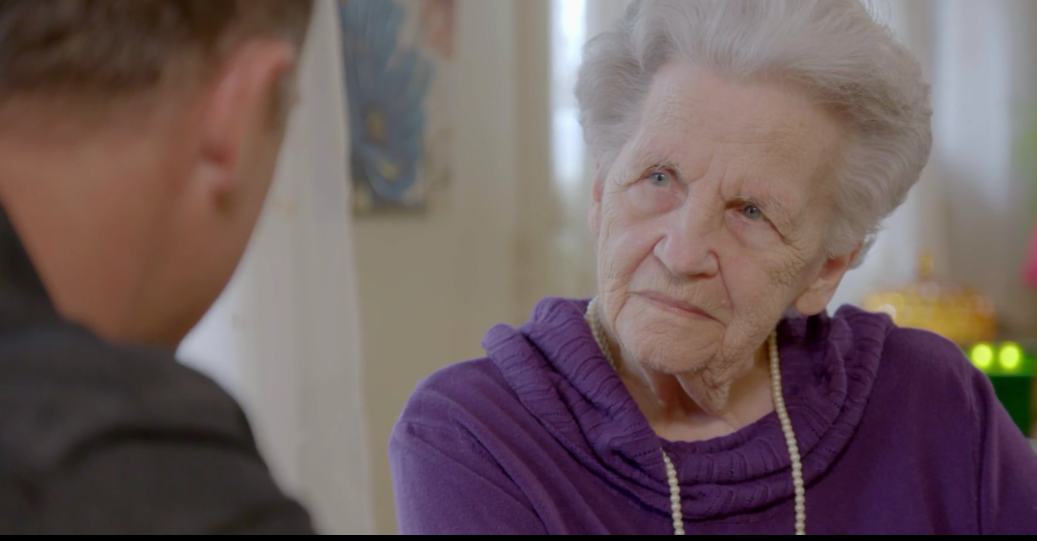 Being the daughter of an adopted woman for years I wondered who her mother was. When I was in college my mother hired a private investigator and found my grandmother Mabel who just recently passed away. There are so many heart breaking stories out there about children being abandoned or given away and never locating or finding our the reason why they were given up for adoption. This season of “Long Lost Family” starts off with a jaw dropping revelation of a baby left in a shoe box at an Ohio gas station. The baby Lisa, now grown searches for her mother. Chris, one of the shows investigators locates an elderly woman in hopes of uncovering which of her family members may have given up a baby in 1960. She paused and answered, “Me.”
Follow the link below to watch the full heart stopping episode. Click here


You must be logged in to post a comment.