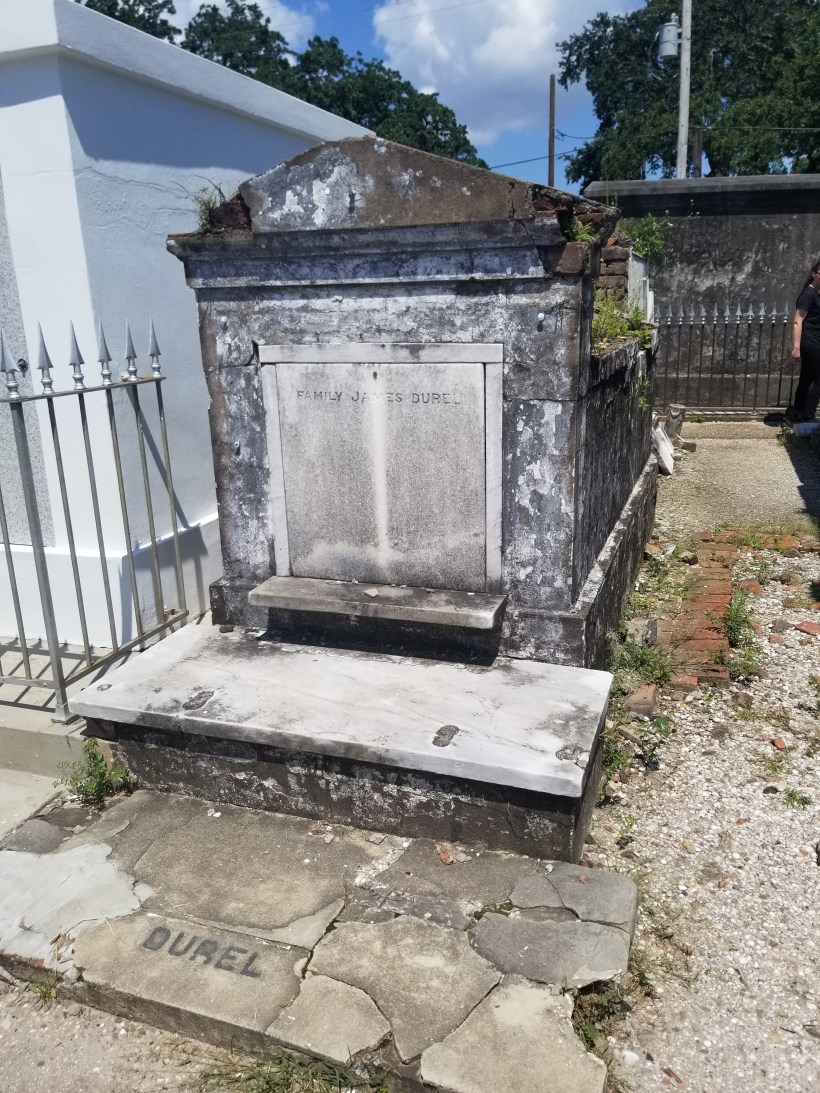
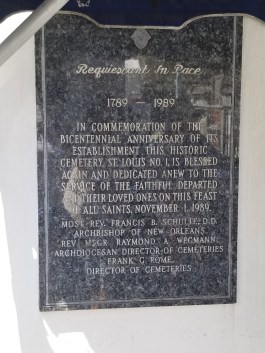
I spent this week in New Orleans, working a medical conference. I had a little time on my hands and went on a Cemetery tour. My tour guide Stella from Haunted History Tours was excellent! Not only knowledgable but enthusiastic and engaging. I learned a lot about all those spooky above ground. One of the first things you notice when arriving to New Orleans is the above ground tombs seen off I-10 in Metairie. The cemetery I visited was St. Louis Cemetery #1, one of the oldest and most famous built in 1789.
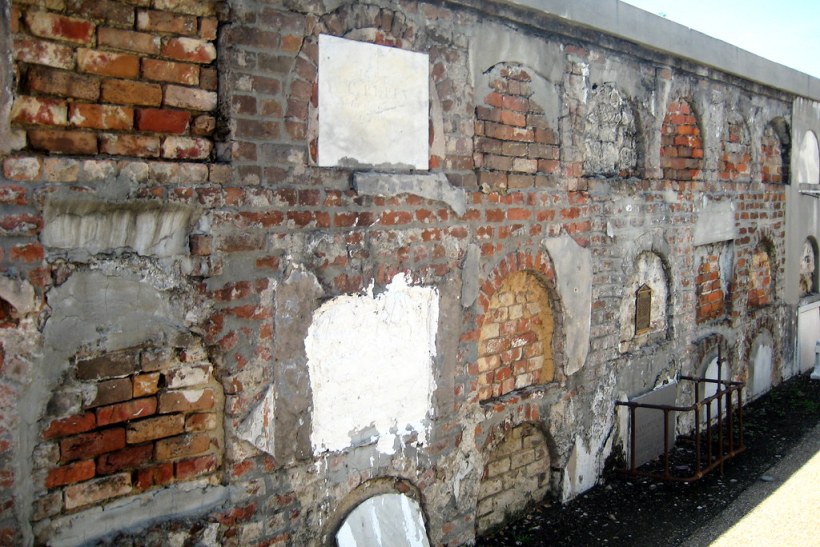
 The Cemetery is one square block and is fenced in by high walls of brick, some of the portions are actually tombs itself. These walls serve as a multi-person final resting place, not necessarily a family tomb or Society.
St. Louis Cemetery #1 is truly a little city. The monuments and tombs wind around in intricate pathways. Many burial sites are crumbled and falling apart. These generally do not have living family members that take care of the tombs. Those that are have a placard that reads “perpetual care” at the foot. These are tombs that have a trust that goes toward upkeep.
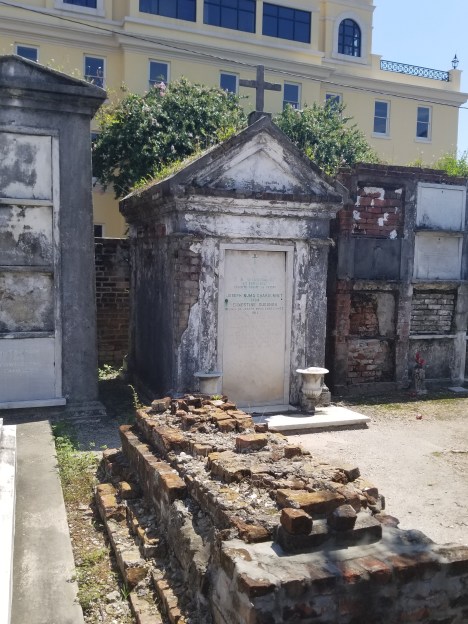
The above ground tombs come in a variety of designs. Some are flat and are only one small step above ground similar to copings or ledger tombs. Some are step tombs like the one below. Then, we have the ones that look like miniature houses.
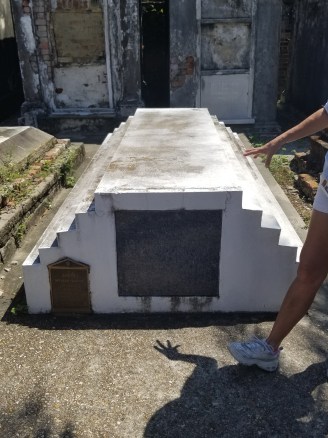
Burying the dead in New Orleans proved to be a problem that the first European inhabitants faced. The city of New Orleans is below sea level. When European settlers put coffins under six feet of earth, they found that the water level would often rise above them. Since the coffins were filled with air. The water sometimes pushed them up through the earth which caused caskets and bodies to pop up in the most unexpected places. They attempted to solve this by drilling holes into the caskets and weighting them down with rocks however, this caused decayed rotten bodies to seep into the earth and added to the already putrid smell of the city. The solution was Wall Vaults or Oven Vaults.
Oven Vaults
Because of the sea level in New Orleans Vaults or “Oven Vaults” were approved by the Spanish Government. St. Louis Cemetery #1 was built when St. Peter’s Street cemetery ran out of room and is the first approved above ground cemetery in the city. The land was consecrated by the Catholic Church. It is important to note that everyone no matter their race were buried in St. Peter’s cemetery because Catholicism was the only religion allowed in the city in the early 1700’s.
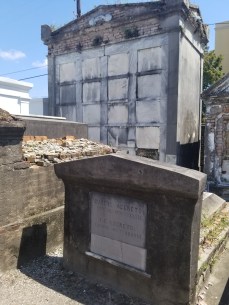
Above- small oven vault in front and a larger “Society” Vault in the back. Most vaults were for generations of family members. If you didn’t have one established for you family, you could “buy” a spot in a society.
The shock of death
The vaults are called oven vaults because of the subtropical climate in New Orleans. Made of granite or marble once a body is encased it takes just a few months for a body to break down and basically cremate itself. After a year mostly bones are left. The surprise that I found was that once the bones are broken down, they are pushed to the back of the vault toward a chute. The debris falls through the chute in a caveau or “cave” underneath. This makes room for the next person that passes away. Each vault could house generations of family members, who’s ashes are then mixed together underneath. Most family tombs have the family name listed at the top and the names are listed on a plaque or ledger on the front in descending date of death. Once you run out of room on the plaque, it is moved and fastened to the side of the vault and a new one is affixed to the front. Most have a screw or bolt that can be removed for the next body.
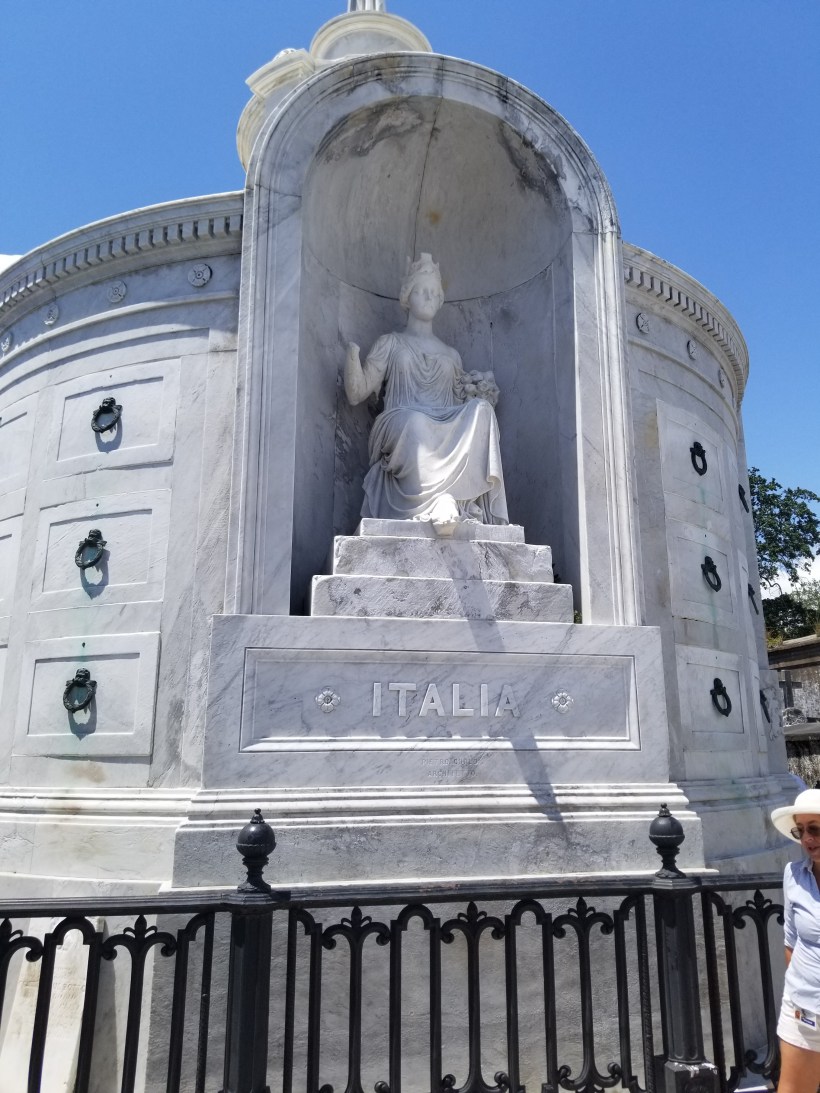
Famous People
Of course the main reason I went on the tour was to see if any creepy things would happen. No such luck! It was a pretty easy tour without event. Homer Plessey, is interred at St. Louis #1. He was a fair skinned Black Haitian whose parents fled from Haiti during the revolution. and of course the Voodoo Queen herself, Marie Laveau. If you are ever in the Big Easy, be sure to book some of the walking tours that take you through the French Quarter. You won’t be disappointed, especially if you have a great guide that really knows the city.


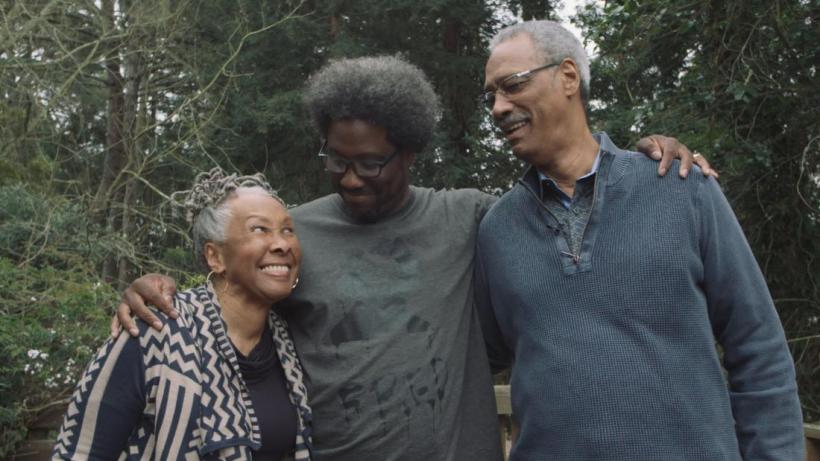
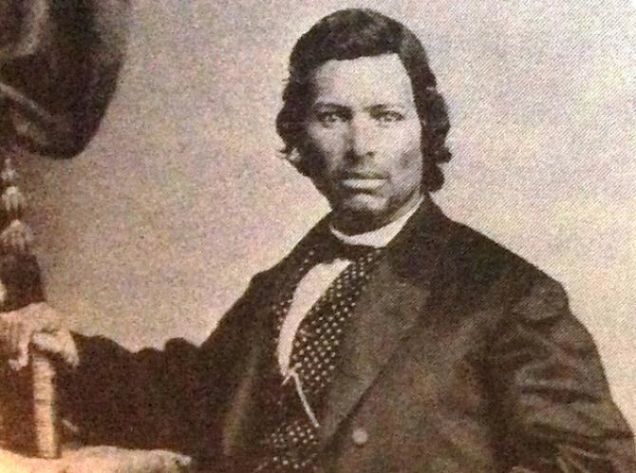
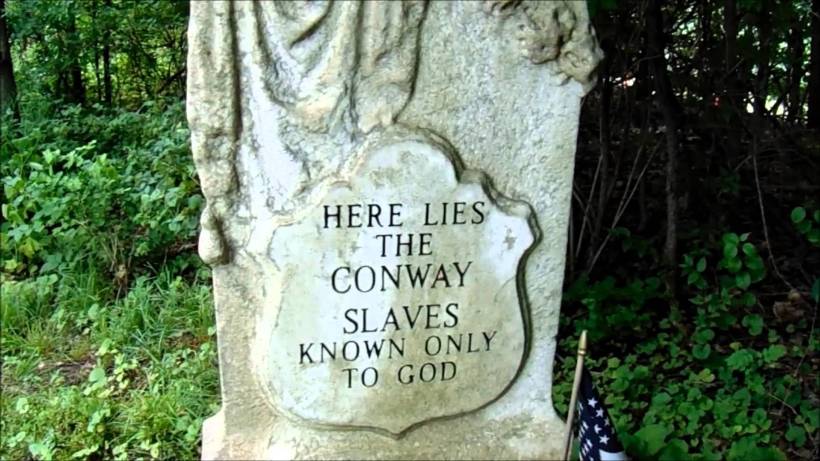
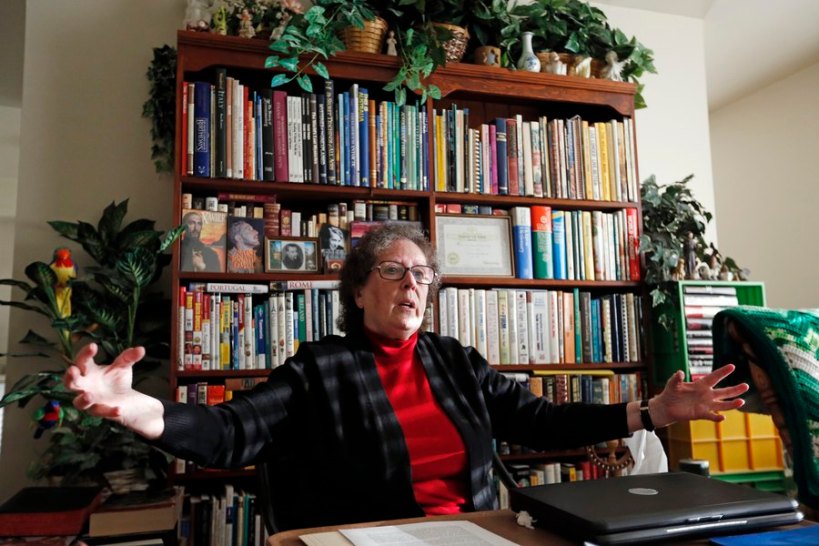
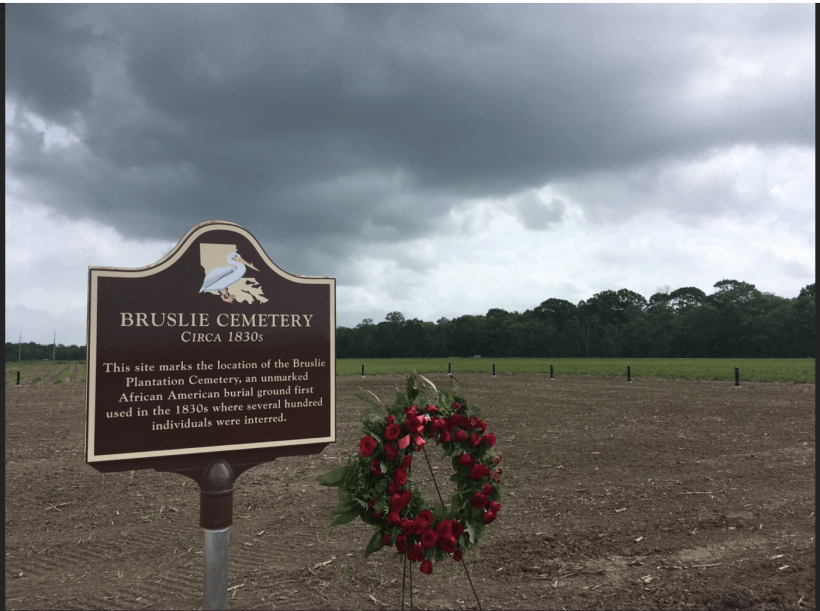 “We ought to work together to figure out how … to evaluate the things that we want to preserve, protect and teach about in terms of how this country was really developed,” said A.P. Tureaud Jr., the son of a revered New Orleans civil rights lawyer who counts slaves and slave-owners among his ancestors. Tureaud is working to give slave gravesites federal protection. Bruce Watkins Jr. and other Kansas Citians that share a common interest in preserving the sacred burial grounds on KCI land could introduce similar legislature that would protect current and future discoveries.




You must be logged in to post a comment.